
Science
Elrexfio improves progression-free survival in Phase 3 trial for relapsed or refractory multiple myeloma Data submitted to regulators as Pfizer seeks to expand treatment indication

Pfizer’s multiple myeloma treatment Elrexfio significantly improved progression-free survival (PFS) in a Phase 3 trial involving patients with relapsed or refractory multiple myeloma (RRMM).
According to Fierce Pharma on the 27th (local time), Pfizer released key results that day from the Phase 3 MagnetisMM-32 trial of Elrexfio. The trial evaluated the effect of earlier treatment with Elrexfio in patients with RRMM whose disease had progressed after first-line treatment.
Pfizer said that among patients who had received at least one prior line of treatment, Elrexfio significantly reduced the risk of disease progression or death compared with existing standard therapies. The control regimens combined Bristol Myers Squibb (BMS) and AbbVie’s Empliciti, BMS’ Pomalyst, Takeda’s Velcade or Amgen’s Kyprolis with the steroid dexamethasone.
Patients in the trial had previously received at least one line of treatment with Revlimid and an anti-CD38 therapy, such as Johnson & Johnson’s (J&J) Darzalex or Sanofi’s Sarclisa.
At the interim analysis, more than 75% of patients in the Elrexfio group had not experienced disease progression or death. The 18-month PFS rate was estimated at 68%, and median PFS had not yet been reached. Data for secondary endpoints, including overall survival (OS), were not yet mature and require further analysis.
For safety, grade 3 or higher infections occurred in 27.5% of patients in the Elrexfio group and 18.1% in the standard-therapy group. Grade 5 infections occurred in 0.8% and 1.6%, respectively. Pfizer said that initiating preventive infection treatment early in the trial helped mitigate infection risk.
Citi analysts said Elrexfio’s efficacy was “similar” to that of market-leading competitor J&J’s Tecvayli. Tecvayli recorded an 18-month PFS rate of 68.9% in a similar trial. Although the infection rate was lower with Elrexfio, at 27.5%, than with Tecvayli, at 41.6%, the analysts added that direct safety comparisons across trials are difficult to rely on.
Jeff Legos, Pfizer’s chief oncology officer, said, “These results strengthen the case for moving BCMA-targeted therapy earlier in the treatment journey and show Elrexfio’s potential to redefine patient outcomes.”
C. Ola Landgren, chief of the myeloma division at the Sylvester Myeloma Institute at the University of Miami Miller School of Medicine, said, “The MagnetisMM-32 results are particularly compelling given the rigorous and clinically relevant benchmark of three established standard therapies.”
The success follows interim results from the Phase 3 MagnetisMM-5 trial announced in April. In that trial, which enrolled 497 patients, Elrexfio monotherapy significantly improved PFS in patients who had received at least one prior line of treatment.
Pfizer plans to submit the data to global regulatory authorities to pursue an expanded treatment indication for Elrexfio. Elrexfio sales in the first half of this year were $169 million (about 226.5 billion won), up 17% from $145 million in the same period last year. Citi projected that an expanded early-line indication for RRMM could represent a $1.32 billion opportunity by 2032.
Elrexfio was first approved by the U.S. Food and Drug Administration (FDA) in 2023 as a later-line treatment for patients with multiple myeloma who had received at least four prior lines of therapy.
Biobook Team
biobookmedia@biobook.co.kr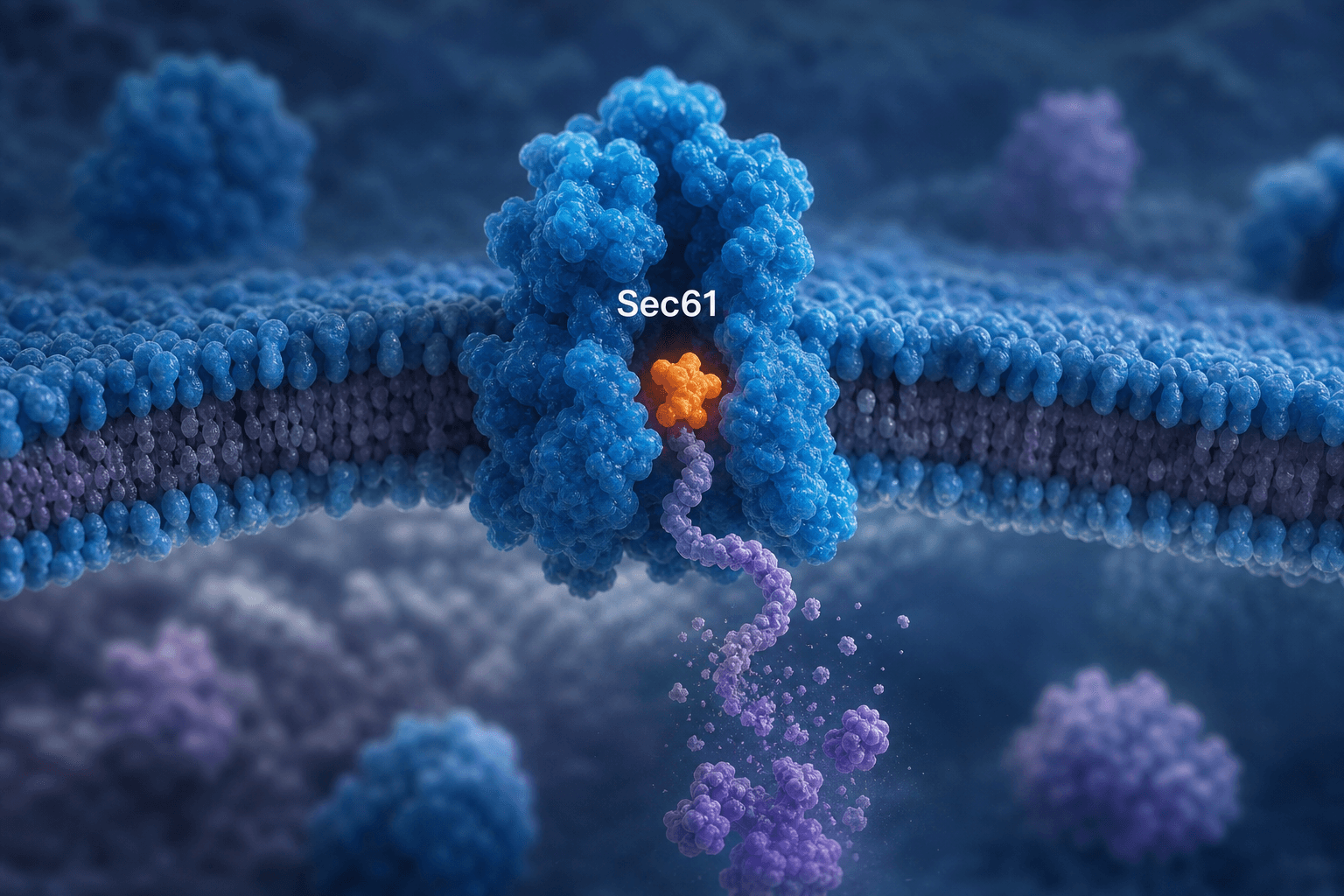
Blocking Disease Proteins With ‘Molecular Gates’ … Gate Bioscience Prepares to Enter the Clinic
Rezolute Meets Phase 3 Goal in Tumor Hyperinsulinism, Shares Rise Ahead of FDA Meeting
Regeneron’s POTS drug succeeds in Phase 2; Phase 3 to begin in first half of next year

Egene Receives Approval to Amend Phase 2/3 Trial of Quadrivalent Meningococcal Vaccine

GC Biopharma Develops Korea’s First Generative AI Drug Safety Monitoring Software, Focused on Preventing Missed Cases

Daewoong Pharmaceutical Wins Phase 1 Approval for Drug to Regenerate Intestinal Mucosa: “Beyond Immunosuppression”


