Market
Vice President Yang Chun-sik buys 4,403 shares on the open market, raising his stake to 0.10%; executive share purchases are spreading as the company reports pipeline progress, including a subsidiary’s AI cancer vaccine platform and publication of a laparoscopic hemostatic agent study in an international journal

SCL Science Vice President Yang Chun-sik bought 4,403 common shares of the company on the open market, raising his stake to 0.10%. The purchase, worth approximately 10 million won, coincides with the growing trend of executives buying shares in South Korea’s pharmaceutical and biotechnology industries and is being interpreted as a signal of internal confidence in the company’s growth prospects.
Why K-Bio executives are increasingly buying company shares
According to the electronic disclosure system, Yang bought 4,403 shares at an average price of 2,276.58 won per share on the 11th. His holdings increased from 30,466 shares to 34,869 shares, while his ownership as a percentage of total shares outstanding rose from 0.09% to 0.10%, an increase of 0.01 percentage points. Yang was appointed a registered executive on Oct. 14, 2024, and the reference date for the previous report was Aug. 6.
The purchase is part of a broader trend of increased share buying by management across South Korea’s biotechnology sector. In the past month, executives at major companies have increasingly invested their own capital to align their interests with shareholders, including SK Biopharmaceuticals CEO Lee Dong-hoon, who bought approximately 3,000 shares on the open market shortly after the company introduced a new drug pipeline. An analyst of South Korea’s pharmaceutical and biotechnology industry said, “A series of share purchases by management sends a positive signal to potential foreign investors,” adding, “Beyond short-term stock price support, it demonstrates internal confidence in the successful commercialization of new pipelines.”
As corporate governance issues once cited as a cause of the Korea discount improve, the establishment of a responsible management culture in which executives directly increase their holdings is also noteworthy in South Korea’s biotechnology ecosystem.
Targeting global markets with an AI cancer vaccine and hemostatic agent
SCL Science’s successive research and development achievements are behind Yang’s share purchase. In early September, a study of InnoSeal Plus DL, a flexible hemostatic agent for laparoscopic surgery developed by SCL Science researchers, was accepted for publication in the prominent international journal ACS Omega. This suggests that additional positive developments, including global commercialization of the medical device and export contracts, may be forthcoming.
The company’s entry into the personalized cancer vaccine field through its subsidiary Neogenlogics is also drawing attention. Based on joint research with a team led by Professor Choi Jeong-kyun of the Department of Bio and Brain Engineering at the Korea Advanced Institute of Science and Technology, Neogenlogics is developing DeepNeo, an AI platform that simultaneously analyzes T-cell and B-cell immune responses, and DeepDependency, a single-cell big data platform. An SCL Science official said on Aug. 25, “The successful phase 3 trial of Moderna and Merck’s personalized mRNA cancer vaccine was a decisive turning point for the field’s transition to commercialization,” adding, “We will prepare without disruption to submit the clinical trial plan approval application in 2027.”
The convergence of South Korea’s advanced information technology and biotechnology is an area attracting strong interest from foreign investors. Neogenlogics, which directly connects top-tier academic infrastructure with commercial biotechnology, is regarded as a representative model demonstrating the competitiveness of the K-Bio ecosystem.
Potential for a medium- to long-term reassessment of corporate value
As global pharmaceutical companies make large-scale investments in AI drug development and personalized cancer vaccines, achieving SCL Science’s goal of submitting a clinical trial plan approval application in 2027 could open the possibility of technology exports or partnerships with global big pharmaceutical companies. The publication of the InnoSeal study in an international journal could also strengthen momentum for overseas expansion in the medical device business, according to observers.
Management’s increased holdings are being interpreted as a proactive move made with this medium- to long-term reassessment of corporate value in mind. However, because the share purchase was relatively small at approximately 10 million won and the change in ownership was only 0.01 percentage points, whether additional purchases occur and how commercialization of the pipelines progresses will be key to any substantive change in shareholder value.
BIOBOOK TEAM
biobookmedia@biobook.co.kr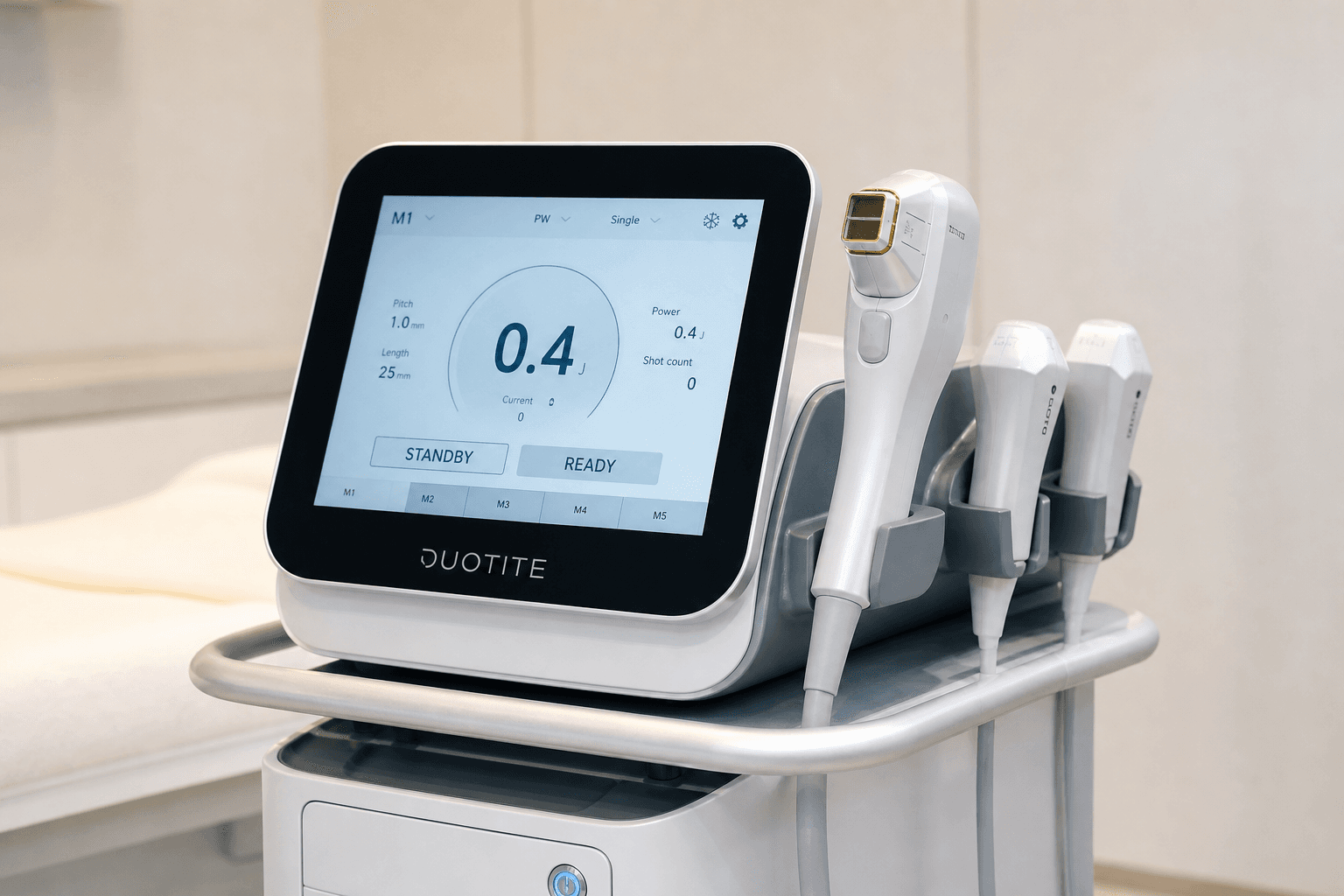
ViOL Medical Wins Thai Approval for HIFU Device, Laying Groundwork for Consumables Revenue

SCD Pharm’s glaucoma drug Latast reaches 11% market share, supplied back to originator
Alteogen’s ALT-B4 Infringes Halozyme Patent in Europe; Keytruda SC Sales Banned in 8 Countries
Immunology Drug Developer TrexBio Prices $117 Million IPO
CKD’s third-generation Lee Ju-won becomes second-largest shareholder as new drug R&D faces a test
HLB Makes Fourth Bid for Liver Cancer Drug Approval; Uncertainty Remains Despite Less Severe Inspection Outcome

Peptone nears end of two-year Lilly technology evaluation…follow-on deal could be pivotal

HLB Pharmaceutical Completes 60.8 Billion Won Rights Offering, Bets on New Hyangnam Plant as Management Participation Grows

Song Young-sook sells 86 billion won stake; buyer is daughter’s one-person company — Is a second round of Hanmi control battle looming?
