
Science
Integrates experimental design and data analysis Average accuracy of 57% across 443 questions

An artificial intelligence (AI) agent called Biomni has emerged that autonomously performs a broad range of biological and medical research. It demonstrated the ability to design experiments and analyze data with expert-level accuracy.
According to the international academic journal Science on the 25th local time, the research team said it had developed Biomni, a general-purpose AI agent for biomedical research.
Biomni handles experimental design tasks across fields including genetics, immunology, pharmacology and clinical medicine within a single system. It does not require separate tuning or retraining for each field.
The research team first integrated 150 analytical tools and software and databases from 25 areas of biology into a single workspace. Using a large language model, the system was designed to understand and answer questions in everyday English.
The agent can plan complex workflows, write and execute code for data analysis, and check and adjust for errors.
In performance evaluations, Biomni recorded an average accuracy of 57% across 443 questions covering 10 types of biomedical tasks. This was substantially higher than that of other agent systems on the same benchmark.
On three expert-level tasks, it showed accuracy comparable to that of professional researchers while requiring much less time.
The research team also confirmed Biomni’s potential in actual experiments.
Biomni developed a process for analyzing previously published smartwatch readings and reconstructed early warning signals of COVID-19 infection.
It also designed a gene-editing replication experiment, and sequencing confirmed its success when a researcher carried it out as designed.
For a task aimed at increasing protein thermal stability, it created a computational optimization process and proposed three rational mutations consistent with the latest engineering principles.
Biomni also wrote the code needed to operate laboratory robots and conduct a multistep drug dose-response experiment.
The developers said, “Agentic AI systems like this will accelerate tedious analytical tasks, helping scientists focus on asking questions, judging results and making creative leaps.”
Biomni is available through an open-access approach. The developers emphasized that responsible use is necessary as the tools become more powerful.
BIOBOOK TEAM
biobookmedia@biobook.co.kr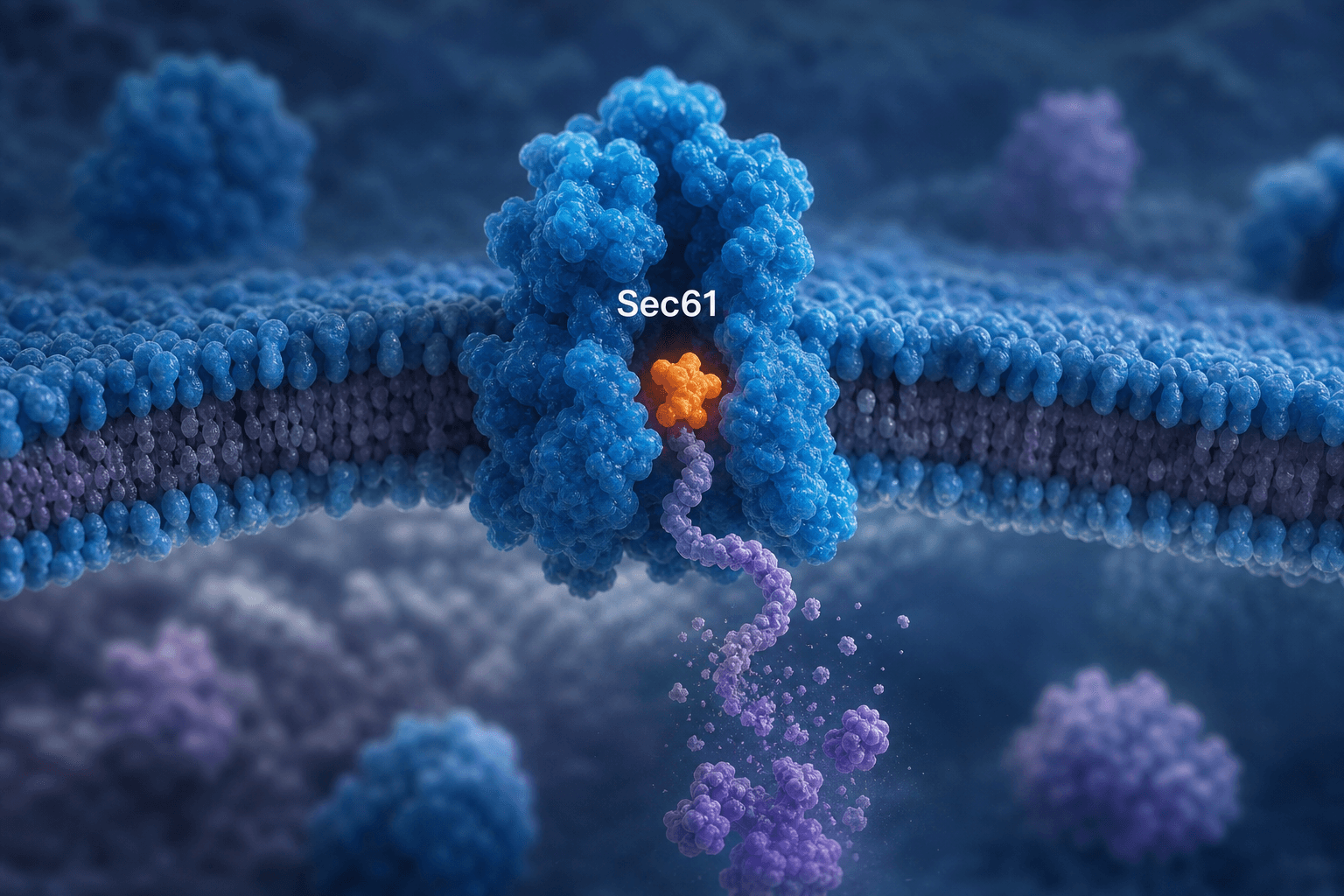
Blocking Disease Proteins With ‘Molecular Gates’ … Gate Bioscience Prepares to Enter the Clinic
Rezolute Meets Phase 3 Goal in Tumor Hyperinsulinism, Shares Rise Ahead of FDA Meeting
Regeneron’s POTS drug succeeds in Phase 2; Phase 3 to begin in first half of next year

Egene Receives Approval to Amend Phase 2/3 Trial of Quadrivalent Meningococcal Vaccine
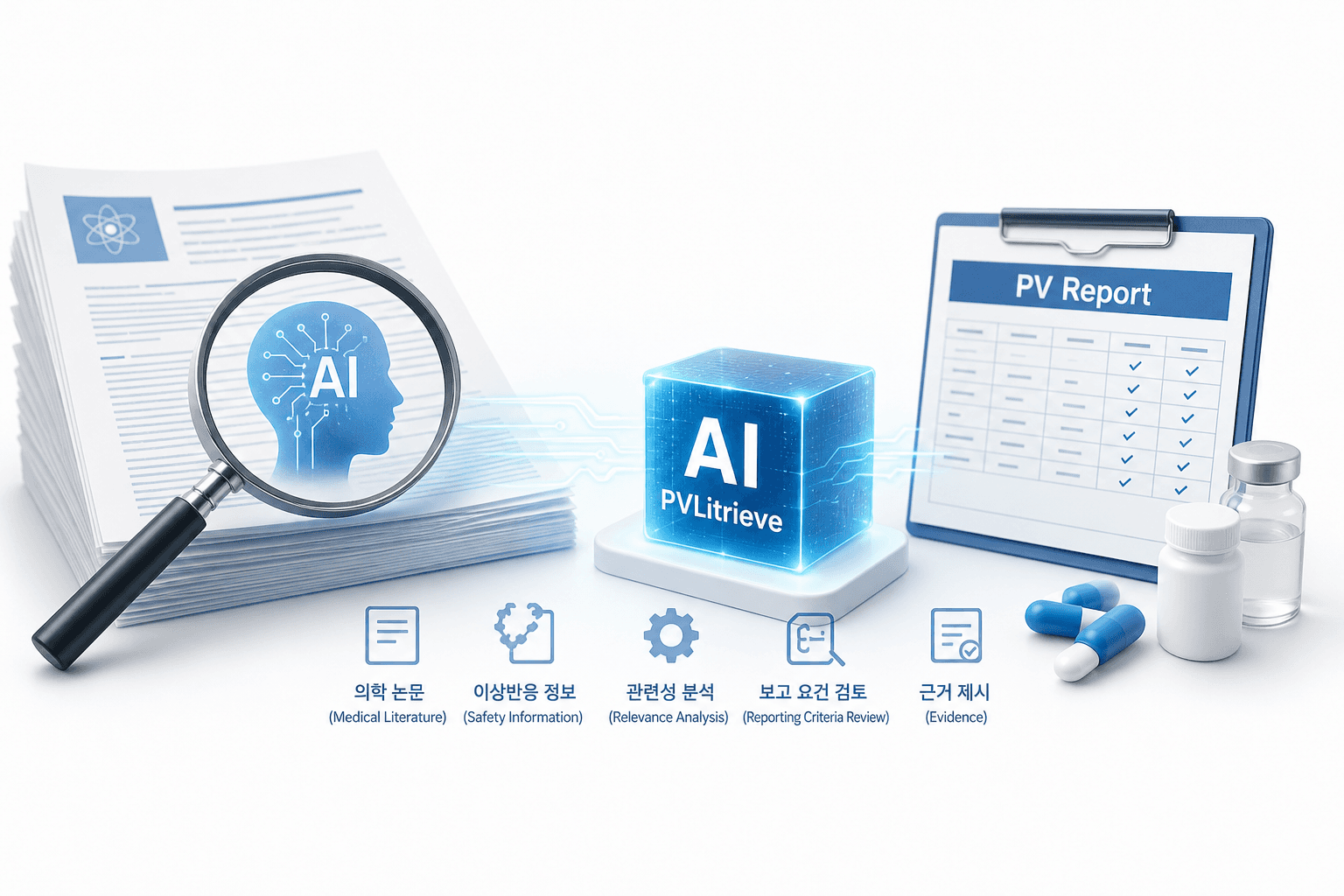
GC Biopharma Develops Korea’s First Generative AI Drug Safety Monitoring Software, Focused on Preventing Missed Cases

Daewoong Pharmaceutical Wins Phase 1 Approval for Drug to Regenerate Intestinal Mucosa: “Beyond Immunosuppression”


