
Policy & Regulation
Health Ministry holds advanced regenerative medicine review committee meeting; 1 of 3 study plans deemed suitable Sequential administration of natural killer cells and T lymphocytes to assess safety and treatment effects

The Ministry of Health and Welfare has deemed suitable a clinical study plan using patients’ own immune cells for people with advanced colorectal cancer who have no other treatment options.
The ministry said Oct. 23 that it had reviewed three clinical study plans submitted by regenerative medicine institutions at the 11th meeting of the Advanced Regenerative Medicine and Advanced Biopharmaceuticals Review Committee for 2026, held Oct. 22. The committee deemed one plan suitable and two unsuitable.
The plan deemed suitable is a moderate-risk cell therapy clinical study in which patients with metastatic or recurrent advanced colorectal cancer will receive their own T lymphocytes and natural killer cells sequentially.
Metastatic or recurrent advanced colorectal cancer is stage 4 disease in which cancer has spread to organs such as the liver or lungs or to the peritoneum. Standard treatments, including surgery and targeted anticancer therapy, have failed, leaving patients without an appropriate treatment option.
The study will involve isolating natural killer cells and T lymphocytes from the blood of patients who have not responded to standard treatment, culturing the cells for a set period and then administering them sequentially.
The researchers will use the study to assess treatment safety and evaluate clinical effects, including the disease control rate and progression-free survival. The disease control rate is the proportion of patients whose cancer is controlled or shrinks; progression-free survival is the length of time the cancer does not worsen.
The ministry said it expects that, if treatment effects are confirmed, the approach could offer personalized immune cell therapy as a new option for patients with advanced colorectal cancer who have no other treatment alternatives and help improve their quality of life.
Dong-ik Kim, chair of the review committee, said, "In this review, we examined advanced regenerative medicine plans for difficult-to-treat diseases, including advanced colorectal cancer." He added, "We will carefully assess the validity of these plans based on scientific evidence so that new treatment possibilities can open up for patients with serious, rare and intractable diseases."
BIOBOOK TEAM
biobookmedia@biobook.co.kr
South Jeolla-Gwangju Moves to Create Nation’s First Ordinance Supporting Obesity Drug Costs

MFDS to Use AI for Vaccine Release and Process Validation, Shifting From Post-Production Testing to Real-Time Prediction

Tandem’s tubeless insulin pump wins FDA approval, with wear time of up to 7 days

‘Speed Race’ for Innovative Medical Devices Stalls at Health Insurance Reimbursement Hurdle

The ‘Valley of Death’ for Infectious Disease Treatments: Cross-Agency Coordination Is Key
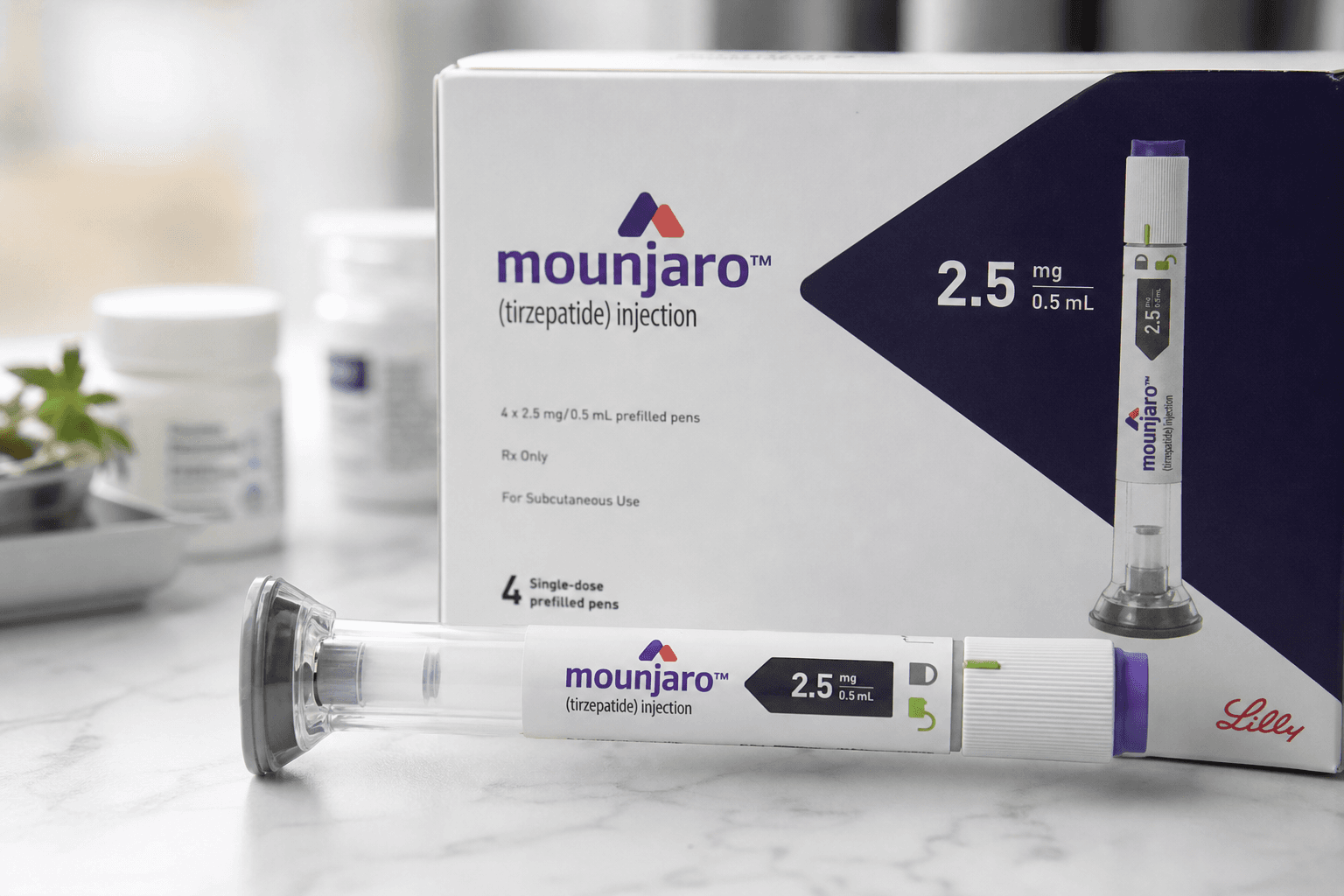
Mounjaro Costs 59,000 Won in Japan, 300,000 Won in Korea, Sparking Price Debate


