Policy & Regulation
Iron-based oral contrast agent designed to replace gadolinium targets 250 million patients with biliary tract disease and advances into the global MRI contrast market valued at about 3 trillion won annually with proprietary Korean nanotechnology

Inventera, a biotech venture specializing in nanomedicines, has submitted an investigational new drug (IND) application to the U.S. Food and Drug Administration (FDA) for a phase 1 clinical trial of INV-003 solution, a contrast agent designed for magnetic resonance cholangiopancreatography (MRCP). In an electronic filing on Sept. 17, Inventera said, "We submitted to the U.S. FDA a phase 1 clinical trial plan to evaluate the safety, tolerability and efficacy of the oral contrast agent INV-003 solution in adults requiring MRCP for follow-up or differential diagnosis." Because the company’s proprietary Korean nanoplatform technology is directly entering a U.S. FDA clinical trial, the development is drawing attention as an example of the K-bio industry’s global expansion.
Limitations of MRCP and INV-003’s technological differentiation
MRCP is a key noninvasive method for observing the structure of the pancreas and biliary tract, but conventional approaches have clear limitations. A major problem is that digestive fluids in the stomach and duodenum appear bright on MRI images, potentially obscuring lesions in the pancreaticobiliary tract or interfering with interpretation. With the number of patients with gallbladder and biliary tract diseases reaching about 250 million worldwide, and the incidence of pancreatic and bile duct cancers—whose early diagnosis is directly linked to survival rates—increasing, demand for precise MRCP imaging diagnosis is growing.
INV-003 is the first-in-class oral, iron oxide-based T2-MRI contrast agent developed to address this problem. Its key mechanism is the selective suppression of signals from the stomach and duodenum to clearly visualize the pancreaticobiliary tract. The iron (Fe)-based agent uses Inventera’s proprietary nanoplatform, Invinity, and maintains dispersion stability even in the highly acidic gastric environment. It is also designed to avoid elimination by immune cells and to be excreted in urine. The possibility that it could replace gadolinium-based contrast agents, which have been the subject of ongoing concerns about accumulation in the body and toxicity, is attracting interest in overseas medical circles.
U.S. phase 1 trial design and domestic and international two-track strategy
The trial is designed as an open-label, single-dose, dose-escalation study conducted at a single U.S. institution. The target conditions are biliary tract and pancreatic diseases requiring MRCP, and the trial will enroll up to 30 adult patients over approximately 12 months. The primary objectives are to evaluate safety and tolerability, identify the maximum tolerated dose (MTD) and determine the recommended phase 2 dose (RP2D). The submission date was Sept. 17 in Korea and Sept. 16 in the United States.
Alongside the U.S. FDA trial, Inventera plans to apply to South Korea’s Ministry of Food and Drug Safety (MFDS) for approval of the phase 1 clinical trial plan for INV-003 by 2026. The company’s strategy is to accelerate the global regulatory timeline through parallel domestic and international development. More recently, after the United States, the company received a decision to grant a patent for its core platform technology from IP Australia, further strengthening barriers to global intellectual property protection.
However, Inventera said it had informed stakeholders that the statistical probability of a clinical trial drug ultimately receiving approval is about 10%. The company also said the study design, number of participants and trial sites may change during the process, and that results falling short of expectations are possible during the clinical trial and product approval processes.
Potential to open a new market for non-gadolinium contrast agents
According to an August 2026 report by global market research firm Grand View Research, the global MRI contrast agent market is projected to grow at a compound annual growth rate of 7.8%, from $2.4 billion (about 3.2 trillion won) in 2025 to $4.3 billion (about 5.7 trillion won) in 2033. If INV-003 is successfully commercialized, it is expected to open a distinct global market for a “pancreaticobiliary-specific non-gadolinium contrast agent,” rather than directly competing in the general-purpose gadolinium contrast agent market dominated by multinational pharmaceutical companies.
This trial is more than a test of the success or failure of a single contrast agent; it is also a proving ground for demonstrating the safety of Inventera’s Invinity nanoplatform in humans. If positive tolerability results are secured in phase 1, discussions on expanding the company’s pipeline into nanotechnology-based therapeutics, including antibody-drug conjugates (ADCs), which it is pursuing over the long term, and on global technology licensing are expected to accelerate.
BIOBOOK TEAM
biobookmedia@biobook.co.kr
“Failed to Catch a Falsified Report”: Gaps in Genexel’s Clinical Trial Review

Ministry of Trade and MFDS Join Forces on Biotech AI Transition, Collaborate Across the Value Chain
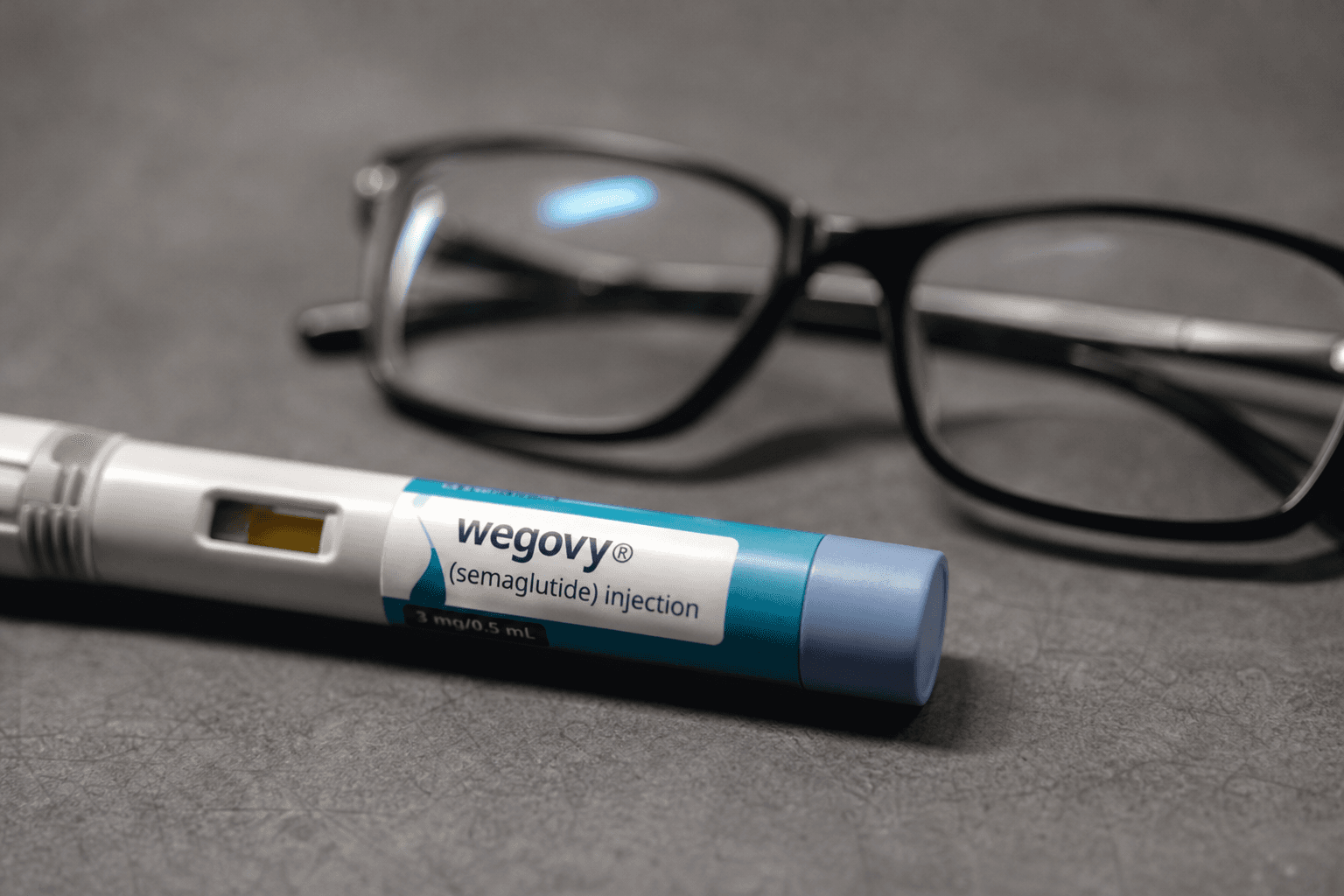
Wegovy Blindness Warning Left Unaddressed for 21 Months, Raising Questions About MFDS Response

AI Virtual Control Groups Move Into the Regulatory Spotlight for Drug Approvals as U.S. and Korean Regulators Convene

Surge in Companies Abandoning Essential Drug Production; MFDS Closes 63.8% of Cases With ‘No Action Needed’

Biotechs Sell Bread and Cosmetics Instead of Developing Drugs as Delisting Rules Distort Their Core Business



