Policy & Regulation
Aims to improve clinical objectivity by refining wound assessment criteria; study to enroll six children and adults over 25 months Japan approval paves the way for full-scale push into the U.S. market; global DEB therapy market valued at 710 billion won

Antrogen has submitted an amended U.S. Phase 2 clinical trial plan for Allo-ASC-Sheet (Allostem), a treatment for dystrophic epidermolysis bullosa (DEB), to the U.S. Food and Drug Administration (FDA). DEB is a rare genetic disorder caused by a deficiency of type VII collagen that results in severe blisters and chronic wounds throughout the body, even after minor friction. Antrogen is pursuing an approach to promote wound healing in the disease with a cell therapy made from allogeneic adipose-derived mesenchymal stem cells in sheet form.
Assessment criteria refined to reflect wound characteristics
Antrogen disclosed on Sept. 16 that it had applied for approval of amendments to the U.S. Phase 2 clinical trial plan for Allo-ASC-Sheet with the FDA. The registration number is IND017281, and the company initially received FDA approval for the trial’s Phase 2 plan in February 2021.
The amendments are intended to more appropriately assess the characteristics of wounds in patients with DEB and treatment effects, while improving the objectivity and reliability of the clinical results. Specifically, the eligibility criteria were supplemented to account for the size and characteristics of the wounds selected for the trial, and the efficacy endpoints and assessment methods were clarified and adjusted. As a result, some procedures and related criteria for conducting the trial were also changed.
The multinational trial will be conducted at five sites, including major U.S. institutions such as Stanford University Hospital and the University of Miami Hospital, as well as institutions in South Korea. It will enroll six participants—three children and three adults—and run for approximately 25 months (2026-2028). The primary endpoint is the proportion of individual target wounds that meet a prespecified wound-area reduction criterion 5 weeks after completing the 12-week treatment period.
DEB treatment paradigm shifting toward regenerative medicine
According to recent reports from global market research firm Future Market Insights (FMI) and others, the global DEB management and treatment market is estimated at approximately $534.4 million (about 710 billion won) in 2026. It is projected to grow at an annual average rate of 6%-7% to reach $966.1 million by 2036. Based on the seven major countries, approximately 47,500 people are estimated to have epidermolysis bullosa, including about 14,300 patients diagnosed with more severe DEB.
Global market research firm Research and Markets analyzed that the DEB treatment paradigm is rapidly shifting from conventional care, such as simple wound disinfection and pain relief, toward disease-modifying treatments, including regenerative medicine based on gene and cell therapies that restore defective collagen. The FDA has also issued guidance expanding regulatory flexibility to support the clinical development of cell and gene therapies, addressing unmet needs in rare diseases.
In the U.S. market, competing products, including Crystal Biotech’s topical gene therapy Vyjuvek, are currently opening up the market. Antrogen’s Allo-ASC-Sheet is positioning itself as differentiated in terms of administration convenience and regenerative effects because it is an allogeneic stem cell therapy in sheet form applied directly to affected areas.
Global expansion accelerated on basis of Japanese approval
Antrogen recently secured a foothold for global expansion by obtaining marketing approval for the therapy from Japan’s Pharmaceuticals and Medical Devices Agency (PMDA) through its Japanese partner, Ishin Pharmaceutical. It also became the first South Korean company to receive Foreign Manufacturer Accreditation (FMA) certification for a cell therapy manufacturer from Japan’s Ministry of Health, Labour and Welfare, demonstrating its ability to directly export overseas stem cell therapies produced at its domestic Gasan and Magok plants.
Once the FDA approves the amended clinical plan and the procedures of each institutional review board (IRB) are completed, full-scale patient dosing and evaluation are expected to begin in 2026. After successfully securing primary endpoint data in this Phase 2 trial, Antrogen plans to discuss a global Phase 3 strategy with the FDA.
However, the company said the submission does not mean that the FDA will approve the amendments or that the trial will succeed. The FDA review process may require the submission of additional data or supplementary materials, as well as further changes to the clinical plan, and the amended clinical plan will be implemented only after all procedures with the regulatory authorities and IRBs have been completed.
BIOBOOK TEAM
biobookmedia@biobook.co.kr
“Failed to Catch a Falsified Report”: Gaps in Genexel’s Clinical Trial Review

Ministry of Trade and MFDS Join Forces on Biotech AI Transition, Collaborate Across the Value Chain
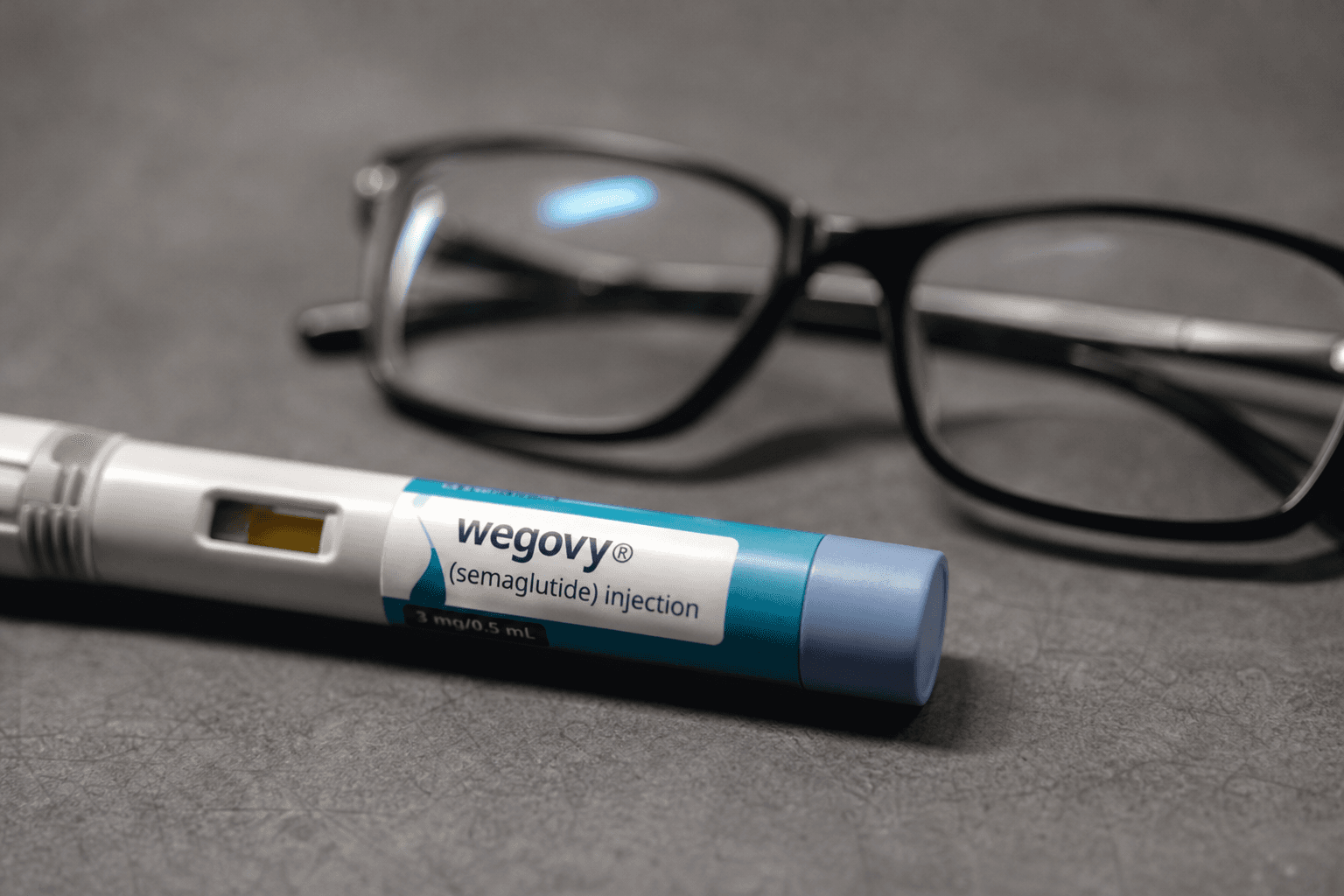
Wegovy Blindness Warning Left Unaddressed for 21 Months, Raising Questions About MFDS Response

AI Virtual Control Groups Move Into the Regulatory Spotlight for Drug Approvals as U.S. and Korean Regulators Convene
Surge in Companies Abandoning Essential Drug Production; MFDS Closes 63.8% of Cases With ‘No Action Needed’
Biotechs Sell Bread and Cosmetics Instead of Developing Drugs as Delisting Rules Distort Their Core Business
Korea National Park Service Uses AI to Identify 17 Wildlife Species, Cuts Analysis Time by 99%
Ipscell Receives Notice of Allowance for Universal iPSC Patent, Strengthening Cell Line Supply Business
Ministry of Trade, Industry and Energy and Ministry of Food and Drug Safety Sign Agreement on AI Transformation and Global Competitiveness in Biotech



