Market
Global licensing-out deal expected if Phase 1 trial of semaglutide-based long-acting injectable is completed

Peptron has applied to the Ministry of Food and Drug Safety (MFDS) for approval of an investigational new drug (IND) application for a Phase 1 clinical trial of PT403, an obesity treatment candidate. Based on semaglutide, the key ingredient in Novo Nordisk’s Wegovy, PT403 uses Peptron’s proprietary drug delivery platform, SmartDepot™, to extend the dosing interval of the long-acting injectable from once weekly to once monthly. With the global obesity treatment market projected to grow to $150 billion (approximately 200 trillion won) by 2035, the IND application is viewed as a key inflection point in Peptron’s global expansion.
The trial will be conducted at the Clinical Trial Center of Chungnam National University Hospital and will evaluate the safety, tolerability and pharmacokinetic characteristics of subcutaneously administered PT403 in 22 healthy adults. The study is designed as a randomized, single-dose, placebo-controlled, double-blind, active-reference, parallel-group, stepwise dose-escalation trial and will consist of three cohorts. Entry into a subsequent dose group will be permitted only after the safety review committee (SRC) reviews and approves the safety and tolerability data from the preceding cohort. The clinical trial will last 12 months from the date of approval by the MFDS and the institutional review board (IRB) of Chungnam National University Hospital.
■ Efficacy and tolerability already demonstrated in preclinical studies
The preclinical data for PT403 are notable. When PT403 was administered to a rat model of diet-induced obesity, it produced approximately 30% weight loss after 4 weeks, a figure superior to that of the existing semaglutide formulation. In addition, a pilot safety assessment involving 16 healthy adults found no vomiting or nausea, the representative adverse effects of GLP-1 obesity treatments. Only mild injection-site reactions were observed, indicating that gastrointestinal tolerability was substantially improved compared with the existing formulation. These data were presented at the American Diabetes Association (ADA) in June 2026.
The key feature of the SmartDepot technology is its use of biodegradable polymer (PLGA) microspheres to enable the gradual release of the drug in the body. Daniel M. Skovronsky, Eli Lilly’s chief scientific officer and executive vice president, has said, “Because GLP-1 obesity treatments have the same mechanism of action, there will not be much differentiation in terms of efficacy, and a long half-life will be the most powerful differentiating factor of all.” The statement suggests that long-acting technology could become a key variable in the next-generation obesity treatment market.
■ Technology evaluation underway with Eli Lilly, scheduled to end in October 2026
Peptron is currently conducting joint research and a technology evaluation with global pharmaceutical company Eli Lilly on applying the SmartDepot technology. The evaluation agreement is expected to end around October 2026, and if the validation is successfully completed, it could lead to a large-scale licensing-out deal or a definitive joint development agreement. Choi Ho-il, CEO of Peptron, said at a bio forum in July 2026, “The SmartDepot platform is a technology that can maximize the advantages of global pharmaceutical companies’ GLP-1 drugs and has already completed initial validation. We are also expanding the scope of joint research beyond obesity and diabetes to central nervous system (CNS) diseases, including Alzheimer’s disease and Parkinson’s disease.”
Production infrastructure for commercialization is also being established. Peptron is constructing a new plant in Osong, Chungcheongbuk-do, with a target completion date of 2026 and annual capacity of 10 million vials meeting U.S. cGMP standards. If the Phase 1 trial is completed smoothly, the company could move closer to its goal of global commercialization in 2030.
However, there are also points investors should consider. Peptron explicitly stated in a disclosure that “the statistical probability that a clinical trial drug will be approved as a final pharmaceutical product is approximately 10%.” The possibility of results falling short of expectations during the clinical and regulatory approval processes must be considered when interpreting the current optimism. Industry experts identify the consistency of the pharmacokinetic profile with monthly dosing and the occurrence of gastrointestinal adverse effects as key points to watch in the Phase 1 data.
BIOBOOK TEAM
biobookmedia@biobook.co.kr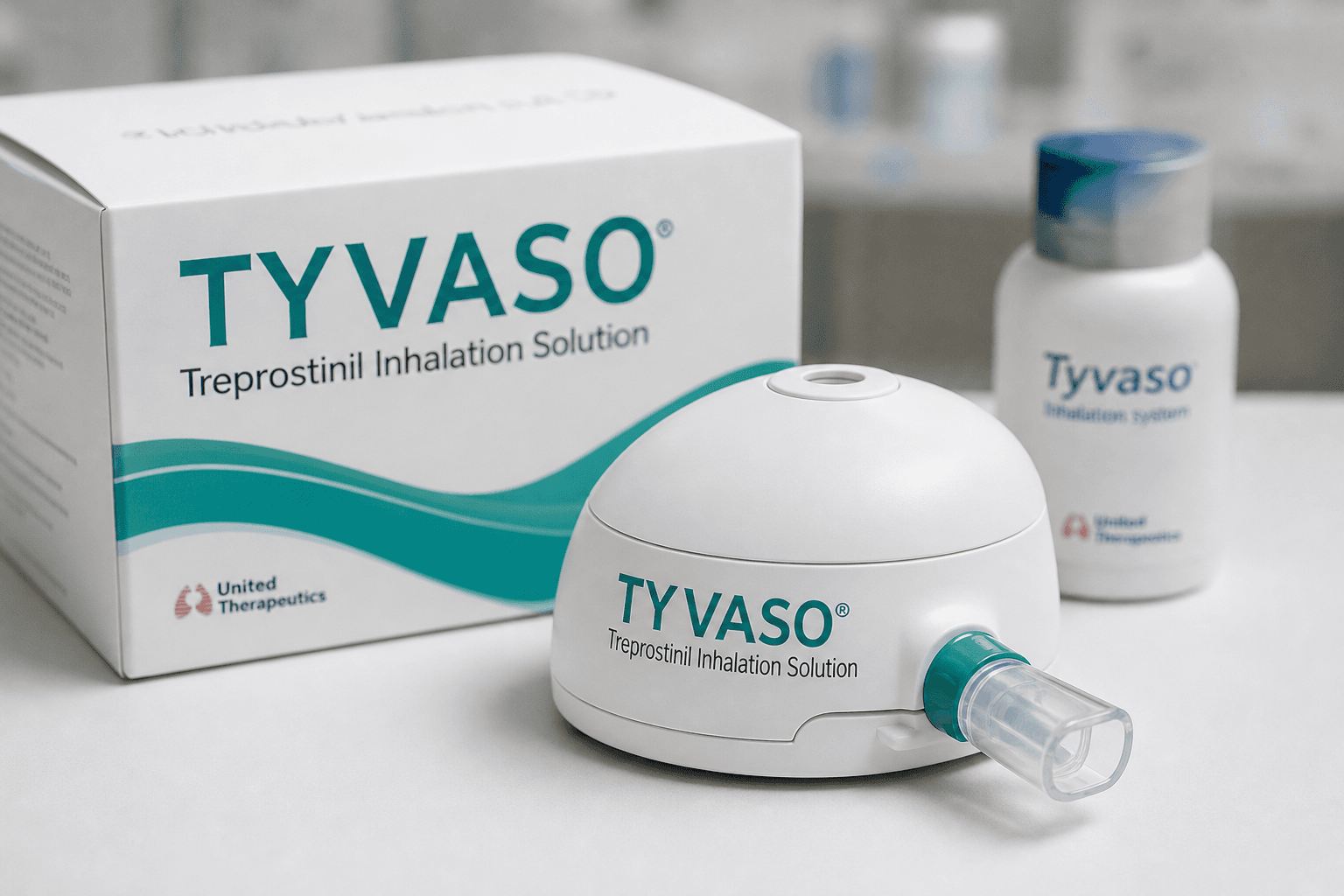
United Therapeutics, Liquidia Reach $380 Million Settlement, Ending Tyvaso Patent Dispute

Galderma to Expand Dermatology Portfolio With $1.5 Billion Acquisition of Zo Skin Health

Stryker invests $400 million in CMR Surgical, secures exclusive U.S. sales rights for surgical robot

Vera signs deal with Gilead worth up to $1.9 billion, sees 'opportunity for additional deals'

Zealand partners with ‘AI protein’ developer Generate in $1.6 billion deal to expand obesity drug pipeline

Remed to Issue 10 Billion Won in Convertible Bonds to Fund Expansion in North America, Japan and Europe



