Market
Intracerebroventricular formulation is the world’s first commercially available product; record-high sales of KRW 74.4 billion accelerate global expansion

GC Biopharma’s Hunter syndrome treatment Hunterase IV has received marketing approval in India and Taiwan. Hunterase ICV, an intracerebroventricular formulation administered directly into the brain’s ventricles, also received approval in Taiwan. As a result, Hunterase IV now holds marketing approval in 14 countries worldwide, while Hunterase ICV is approved in four countries. The global footprint of a homegrown Korean pharmaceutical company has expanded once again in the rare genetic disease treatment market.
Hunter syndrome (MPS II) is a rare genetic disease caused by a deficiency of the enzyme IDS, which leads to the accumulation of complex sugars in the body and can cause skeletal abnormalities, impaired cardiac function and cognitive decline. About 70% of patients have severe disease accompanied by central nervous system (CNS) damage. Worldwide, the condition occurs in approximately 1 in 100,000 to 170,000 males, while East Asian regions such as Taiwan have a relatively high prevalence of about 1.07 cases per 100,000 newborns.
■ An ICV formulation that overcomes the limitations of conventional intravenous treatment
Existing intravenous (IV) treatments cannot cross the blood-brain barrier (BBB), creating a fundamental limitation in preventing cognitive decline. Hunterase ICV uses a device implanted in the patient’s head to deliver the drug directly into the brain’s ventricles, bypassing the barrier to deliver the drug to the CNS. It is the world’s first formulation commercialized by GC Biopharma.
According to five-year long-term follow-up clinical results for Hunterase ICV conducted in Japan, levels of heparan sulfate, a key substance that causes CNS damage, decreased significantly in the cerebrospinal fluid and remained low. The treatment was shown to delay cognitive decline or produce some improvement in patients’ cognitive function. This is why it is regarded as a fundamental treatment option that goes beyond simple symptom management.
■ Why India and Taiwan are strategically important
India is a market with substantial unmet medical needs and significant growth potential because the proportion of patients receiving existing treatments is very low. Taiwan, by contrast, has well-established national systems for early newborn screening (NBS) for Hunter syndrome and patient support, so prescription uptake is expected to expand rapidly after approval. Because the two markets have different characteristics, GC Biopharma’s local strategies will inevitably differ.
The sharp growth in Hunterase sales also contributed to the expansion of approvals. Hunterase sales last year rose about 20% from the previous year to KRW 74.4 billion, driven by increased overseas demand, reaching the highest level since launch. The global Hunter syndrome treatment market was valued at approximately $1.3 billion to $1.5 billion (about KRW 1.8 trillion to KRW 2 trillion) as of 2023. It is projected to grow by approximately 5.5% to 9% annually, reaching $2.3 billion to $2.6 billion (about KRW 3.5 trillion) around 2032 to 2033.
■ Developing the world’s second treatment after breaking the Sanofi-Takeda monopoly
Historically, the Hunter syndrome treatment market was dominated by Sanofi and Takeda’s Elaprase. GC Biopharma disrupted that structure in 2012 by becoming the second company in the world to successfully develop a Hunter syndrome treatment. In particular, intracerebroventricular administration (ICV) has been an area in which even global pharmaceutical companies have struggled to succeed. The fact that a Korean company commercialized the world’s first ICV formulation to prevent cognitive decline in patients with severe disease is regarded as evidence of the Korean biotechnology industry’s capabilities in drug delivery and rare disease R&D.
Industry experts expect the treatment paradigm for Hunter syndrome to shift from a focus on alleviating physical symptoms through IV treatment to protecting against neurological damage through ICV treatment. Because competing drugs would be difficult to replace with the ICV approach, GC Biopharma’s competitiveness in the market targeting patients with severe disease is expected to remain strong for the time being.
GC Biopharma is pursuing additional approvals, using the 14 countries where Hunterase IV has already launched as a base and focusing on emerging markets with high unmet needs, including the Middle East, Latin America—including Peru, where it recently received approval—and China. The ICV formulation is currently approved in four countries, including Japan, Russia and Taiwan. If it continues to enter additional markets, growth in sales across the Hunterase portfolio is expected to accelerate further.
Biobook Team
biobookmedia@biobook.co.kr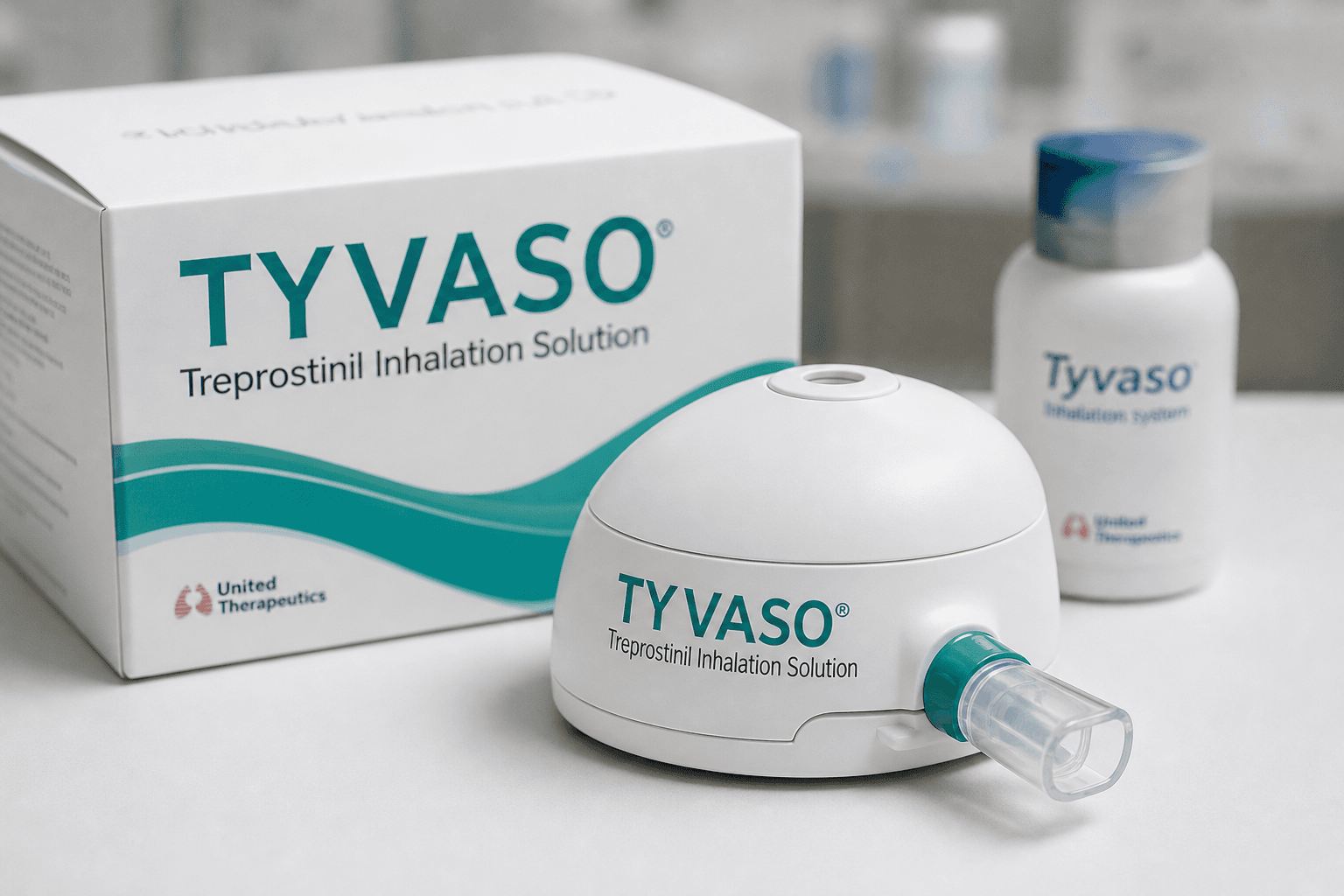
United Therapeutics, Liquidia Reach $380 Million Settlement, Ending Tyvaso Patent Dispute

Galderma to Expand Dermatology Portfolio With $1.5 Billion Acquisition of Zo Skin Health

Stryker invests $400 million in CMR Surgical, secures exclusive U.S. sales rights for surgical robot
Vera signs deal with Gilead worth up to $1.9 billion, sees 'opportunity for additional deals'

Zealand partners with ‘AI protein’ developer Generate in $1.6 billion deal to expand obesity drug pipeline

Remed to Issue 10 Billion Won in Convertible Bonds to Fund Expansion in North America, Japan and Europe



