Market
Raises $382.5 million, exceeding expectations…Phase 3 trials begin in oHCM and nHCM<br>Distinguishes itself from existing treatments by simplifying complex dosing and monitoring

U.S. biotech company Braveheart Bio is accelerating development of a heart disease treatment licensed from China after successfully completing an initial public offering worth approximately $570 million.
According to biotech publication Fierce Biotech on the 6th local time, San Francisco-based Braveheart Bio raised a total of $382.5 million (approximately $573.7 billion) through its Nasdaq listing. This significantly exceeded the amount initially targeted.
Braveheart initially planned to offer 18.7 million shares at $15-$17 per share, but amid strong market interest, it raised the offering price to $18 and increased the number of shares to 21.2 million. If the underwriters fully exercise their additional purchase option for 3.2 million shares, the amount raised could increase by approximately $57.4 million (approximately $86.1 billion).
The company will allocate $90 million (approximately $135 billion) of the proceeds to initiate a phase 3 clinical trial late this year of the oral cardiac myosin inhibitor BHB-1893 in patients with obstructive hypertrophic cardiomyopathy (oHCM). The candidate was acquired from China’s Hengrui Pharma in 2025 for an upfront payment of $65 million (approximately $97.5 billion).
Hypertrophic cardiomyopathy (HCM) is a genetic disease in which the heart muscle becomes abnormally thickened, interfering with blood-pumping function and increasing the risk of arrhythmias and sudden cardiac death. In March, Braveheart announced that in a phase 2 trial in patients with oHCM, BHB-1893 rapidly and meaningfully reduced the left ventricular outflow tract pressure gradient, a measure of cardiac obstruction.
It will also invest $100 million (approximately $150 billion) to begin a phase 3 study in patients with nonobstructive hypertrophic cardiomyopathy (nHCM) in the first half of 2027. Phase 2 data in nHCM announced in May showed improvements in biomarkers associated with cardiac wall stress and tissue injury.
BHB-1893 is expected to compete in the oHCM market with Bristol Myers Squibb’s (BMS) Camzyos and Cytokinetics’ Myqorzo. No treatment has yet been approved by the U.S. Food and Drug Administration (FDA) for nHCM, but Cytokinetics has said that Myqorzo met its primary endpoint in a phase 3 trial.
Braveheart expects BHB-1893 to simplify the complex dosing and monitoring requirements of existing treatments. The company plans to target a market in which fewer than 20% of patients with oHCM currently receive targeted therapy, emphasizing rapid onset of action and convenience as key advantages.
BIOBOOK TEAM
biobookmedia@biobook.co.kr
Orient Bio Expands Domestic Supply of SPF Rabbits, but Reversal of Chronic Losses Remains Elusive

Celltrion’s Third-Quarter Operating Profit Surges 69% to 510 Billion Won
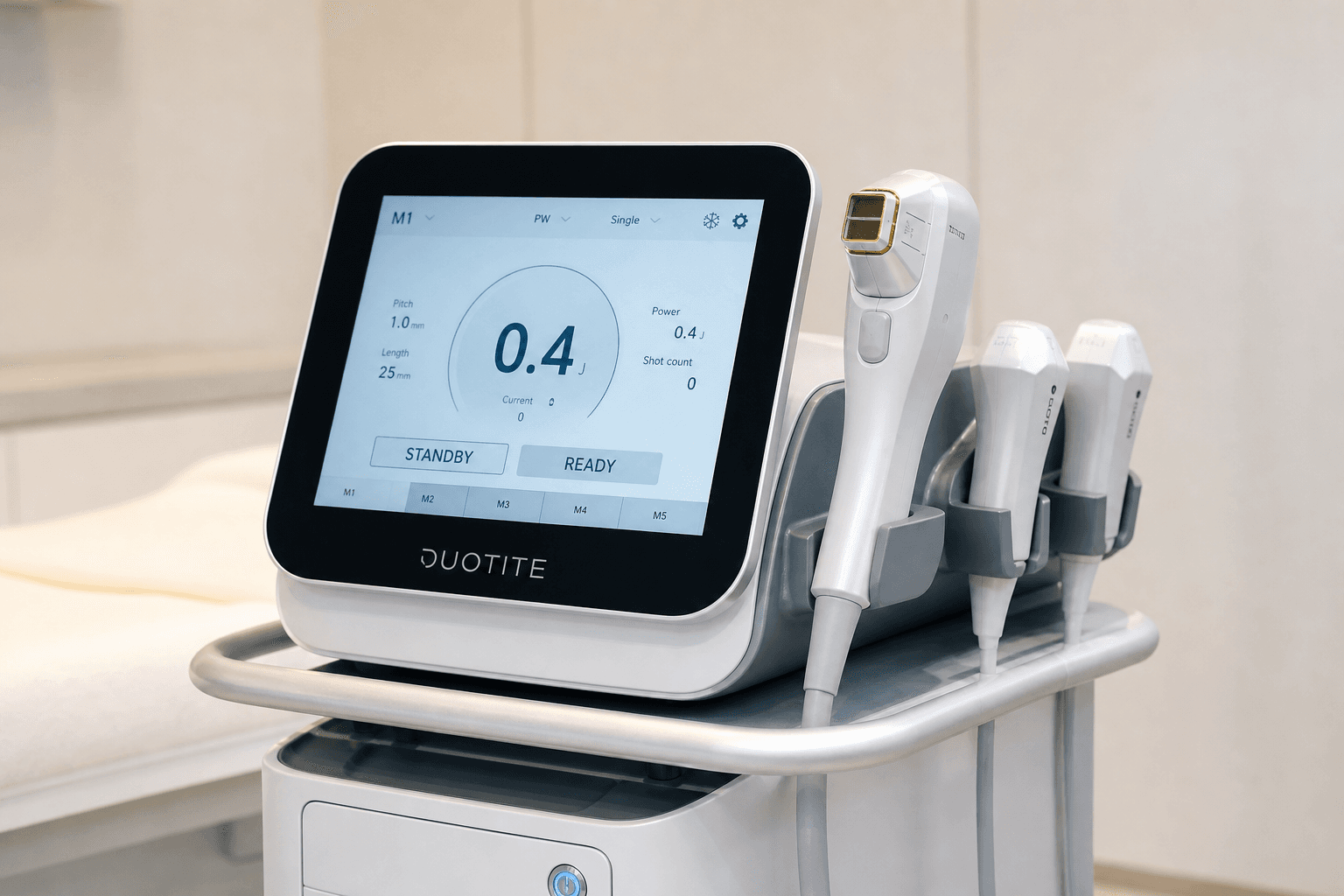
ViOL Medical Wins Thai Approval for HIFU Device, Laying Groundwork for Consumables Revenue

SCD Pharm’s glaucoma drug Latast reaches 11% market share, supplied back to originator
Alteogen’s ALT-B4 Infringes Halozyme Patent in Europe; Keytruda SC Sales Banned in 8 Countries
Immunology Drug Developer TrexBio Prices $117 Million IPO
Rural Development Administration Develops Two Molecular Markers to Identify Leaf Splitting in Squash
MFDS Begins Distribution of Internationally Certified Reference Materials, Including 24 New Items, for a Total of 882
Ministry of Trade, Industry and Energy signs agreement to promote biotech and medical devices in Gangwon; site visit set for the 14th



