
Market
K-aesthetics company, with overseas sales exceeding 70%, begins direct U.S. sales in earnest; second-half rebound draws attention

Hugel recorded consolidated revenue of 137.9 billion won in the second quarter of this year. That represents a 25.1% increase from 110.2 billion won in the same period a year earlier and marks the company’s highest quarterly performance on record. Operating profit for the period was 56.0 billion won, down slightly by 1.1% from a year earlier. Although revenue reached a record high, profitability declined, primarily because of initial costs to establish a direct-sales system in the U.S. market.
Hugel’s main products are botulinum toxin (export name: Letybo) and hyaluronic acid fillers. The company currently operates in more than 60 countries worldwide, with overseas exports accounting for more than 70% of total revenue.
Hugel’s differentiation from competitors is that it is the first and only Korean medical aesthetics company to obtain product approvals in all three of the world’s largest botulinum toxin markets: the U.S., China and Europe.
Revenue from the Americas has expanded rapidly, recording growth rates of more than 100% in recent quarters. As the company established a direct-sales system in the U.S. following FDA approval, it concentrated spending on strengthening local marketing and expanding its distribution network.
The slight decline in operating profit should also be viewed in this context. One-time and initial costs associated with establishing a foothold in the U.S. market were the main factors weighing on second-quarter profitability.
Kiwoom Securities analyzed that “profitability bottomed out in the second quarter because of initial market-entry costs, and margins are expected to improve significantly beginning in the second half.” The firm also forecast strong earnings momentum in the second half as Hugel’s direct-sales system in the U.S. becomes fully operational.
In addition to toxin and filler products, revenue from the beauty segment, including the derma cosmetics brand Wellage (WELLAGE), grew by more than 100% from a year earlier, establishing it as a new source of revenue.
Global exports of the premium skin booster Vairizen are also gaining momentum, accelerating Hugel’s transition from reliance on a single product to a comprehensive medical aesthetics solutions company.
The company is diversifying its portfolio to increase penetration not only in North America and Europe but also in emerging markets such as Brazil and other parts of South America, the Middle East and Asia-Pacific.
Hugel’s record of maintaining the No. 1 market share in South Korea’s botulinum toxin market for many years is helping build trust among physicians in the U.S. and Europe. Industry experts believe that product performance validated in South Korea’s demanding medical aesthetics market is becoming a practical weapon in the company’s global market strategy.
In the second half, operating margins are expected to rebound as U.S. marketing costs stabilize and a system combining direct sales and partnerships gains traction. However, if the cost burden from expanding the global direct-sales system lasts longer than expected, the timing of profitability improvements could be delayed.
BIOBOOK TEAM
biobookmedia@biobook.co.kr
Lotte Biologics Wins First Large-Scale Commercial Manufacturing Contract, Establishing Revenue Base
AstraZeneca’s new myasthenia gravis drug, cligepa, approved simultaneously in U.S. and EU

Biogen Invests $411 Million in Neurodegenerative Disease Drug Development
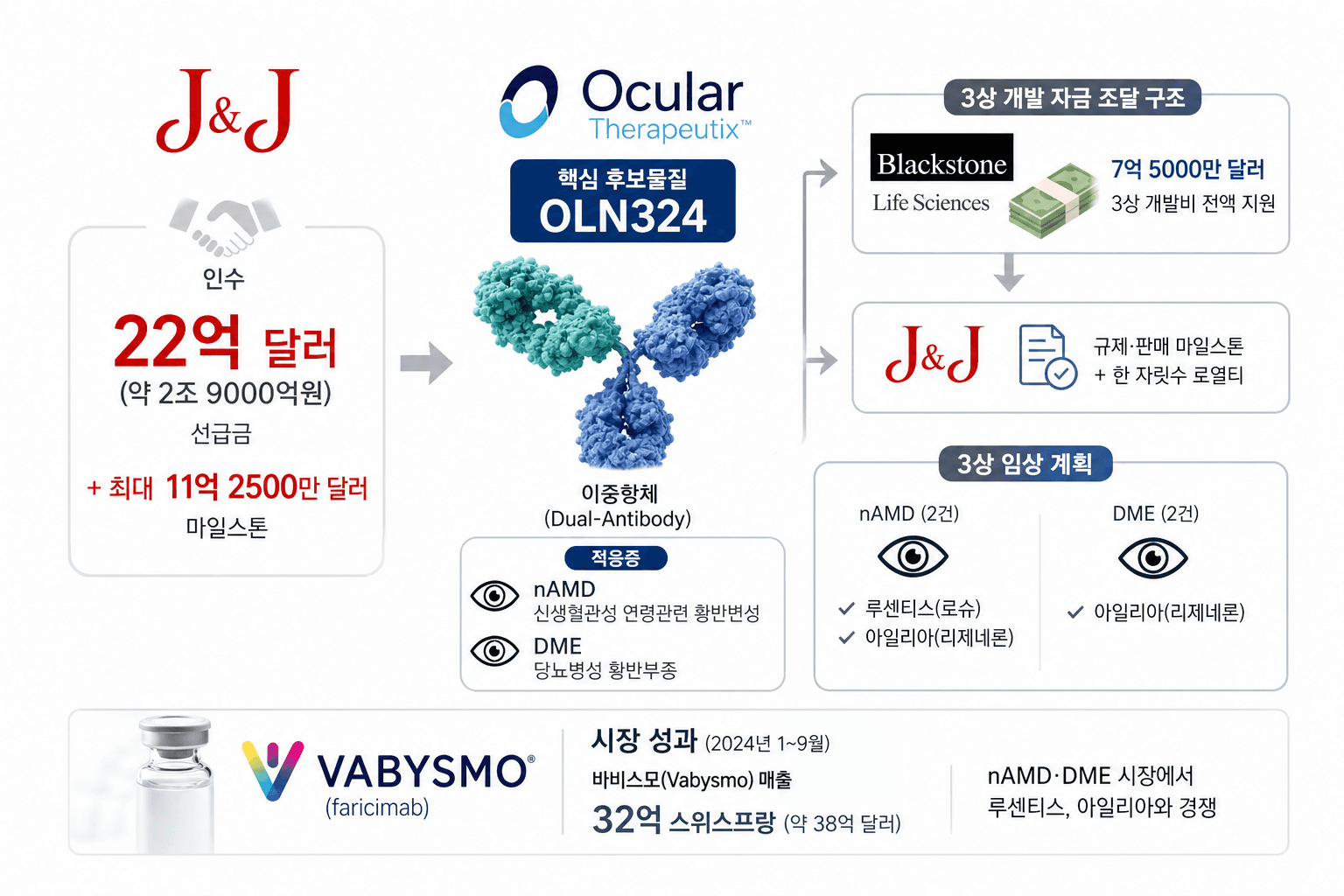
J&J to acquire Olin for $2.9 billion, taking on Roche’s Vabysmo
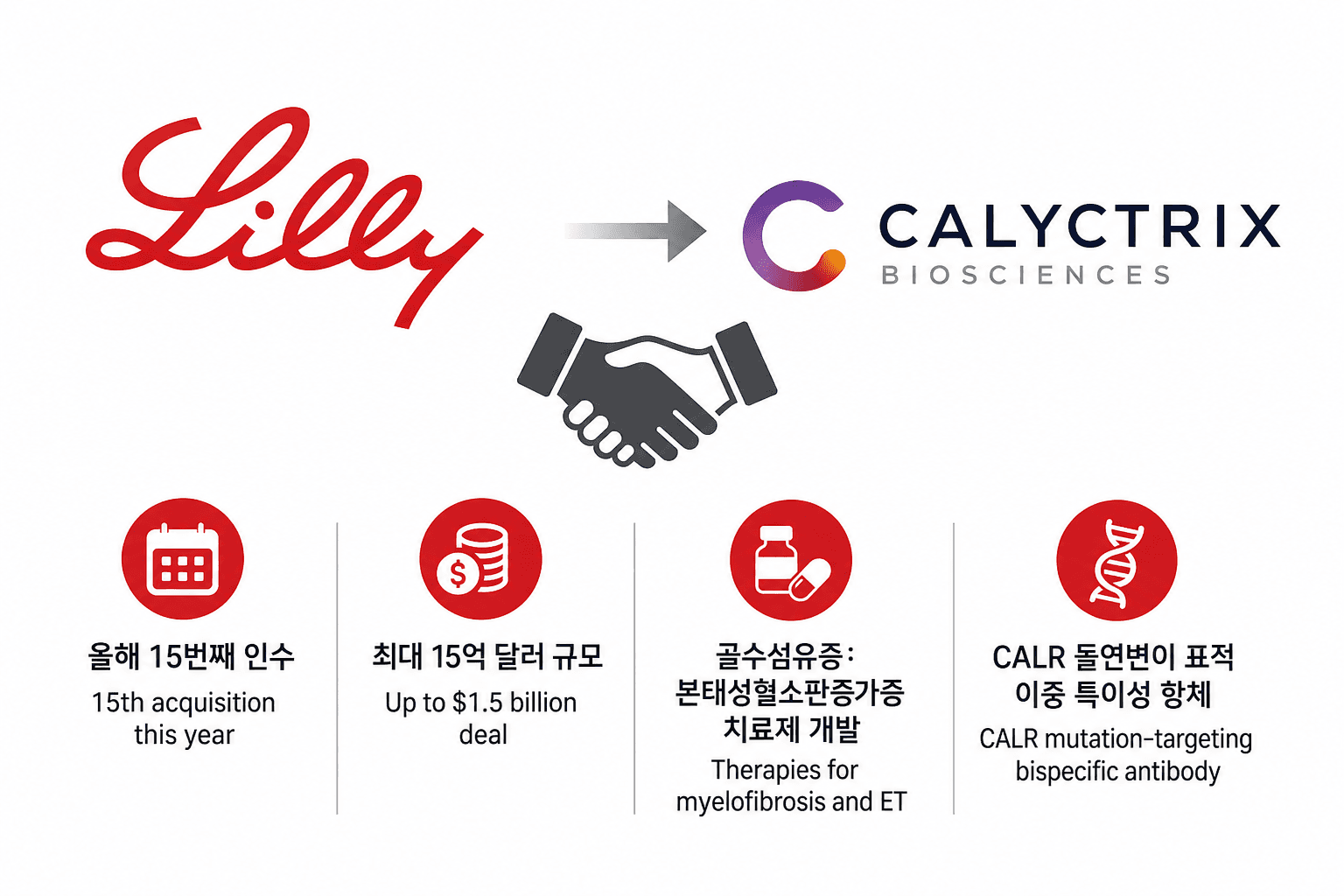
Lilly acquires rare blood cancer drug startup for up to $1.5 billion, its 15th deal this year

Seawolf Secures $100 Million and Signs $1.2 Billion DNA Therapeutics Deal With Sanofi


