
Market
Facility investment protected despite 50% reduction in fundraising

HLB Pharmaceutical’s proceeds from its rights offering fell from 120 billion won to 60.9 billion won, roughly half the original amount. The reduction resulted from the first issue price being set at 5,650 won per share, 49.3% below the initially planned price of 11,150 won. The backdrop was the fallout from HLB Group’s liver cancer drug failing to receive approval from the US Food and Drug Administration (FDA).
The combination of rivoceranib and camrelizumab, HLB Group’s candidate for first-line treatment of liver cancer, received its third FDA complete response letter (CRL). Notably, the rejection was not related to efficacy or safety. In the phase 3 CARES-310 trial, the combination recorded a median overall survival (mOS) of 23.8 months, substantially exceeding the 15.2 months recorded for the control arm, sorafenib. The FDA’s concern was the compliance of the Chinese partner Hengrui Pharmaceutical’s manufacturing facilities with current good manufacturing practice (cGMP) requirements.
Following the setback, HLB Pharmaceutical’s share price plunged nearly 50% in two days in the middle of last month and failed to recover sufficiently by the date used to calculate the issue price. This became the direct cause of the halving of the funds to be raised.
55 Billion Won Facility Investment Preserved, While Operating Funds Are Sharply Cut
Although the fundraising target was reduced, the plan to build the Hyangnam plant remained unchanged. According to the amended investment prospectus, 55 billion won of the 60.8 billion won in proceeds was allocated to facility investment. Operating funds, by contrast, were sharply reduced from the original plan to 5.8 billion won. The company stated that if the actual proceeds were insufficient, facility investment would be executed as the top priority.
The decision was based on the limitations of the current production facilities. The Namyangju plant was completed in 1972 and is located on greenbelt land, making expansion or renovation virtually impossible. The utilization rate of its packaging process has also exceeded 90%, leaving limited room for additional production.
Once the Hyangnam plant is completed, annual production capacity will increase more than 2.3-fold, from the current 300 million tablets to at least 700 million tablets. The company expects to reduce its reliance on contract manufacturing organizations (CMOs) and improve its cost ratio by approximately 2 percentage points.
FDA’s Chinese Plant Issue Paradoxically Raises the Value of a Korean Production Base
As HLB Group has encountered difficulties obtaining FDA approval because of problems at its Chinese partner’s manufacturing facilities, the importance of an in-house production facility in South Korea capable of ensuring stable quality control (QC) and meeting cGMP standards has come into sharper focus. Industry observers believe HLB Pharmaceutical’s decision to prioritize investment in the Hyangnam plant despite the reduced funding reflects an intention to use the Korean facility as a reliable global manufacturing base when key new drugs such as rivoceranib enter global markets.
Executives at Elevar Therapeutics have in fact said that, alongside resolving the manufacturing facility issue involving the Chinese partner, the company is considering a two-track production strategy that would also use CMO facilities in the United States or South Korea. This is consistent with the broader trend of “reshaping supply chains away from China,” including under the US Biosecure Act.
Growth in the core business provides a practical basis for continuing the investment. HLB Pharmaceutical’s consolidated revenue last year was 205.6 billion won, up 50% from the previous year and exceeding 200 billion won for the first time. In the first quarter of this year, revenue reached 65.6 billion won, an 89% increase from the same period a year earlier. Prescription drug sales in areas including cardiovascular, gastrointestinal and antibiotic products account for approximately half of revenue, while the pharmaceutical distribution business also represents more than 30%.
With R&D funding sharply reduced to 5.8 billion won, the research and development strategy has also been reorganized around selectivity and focus. Funds will be concentrated on key projects, including improved drugs, first generics, bioequivalence studies and development of the sustained-release injectable (SMEB) platform. Long-acting obesity treatments and the SMEB platform have been presented as future growth drivers, but they also face technical challenges, including a South Korean court ruling that canceled a patent related to the older obesity treatment ingredient liraglutide. Accordingly, the company may shift its strategy toward developing long-acting formulations of next-generation GLP-1 obesity treatments, such as semaglutide.
In response to the government’s cuts to generic drug prices, the company is also pursuing certification as an innovative pharmaceutical company and plans to defend profitability through improved drugs. If the fundraising amount is reduced further, the timing or scale of facility and development investments may be adjusted or reduced. The company plans to cover any funding shortfall through borrowing from financial institutions or providing its assets as collateral.
Industry experts said the decision to prioritize securing a production base is understandable, but warned that reducing R&D capacity to 5.8 billion won could weigh on the competitiveness of the long-term pipeline. The key question, they said, is whether the company can increase the proportion of products manufactured in-house based on the Hyangnam plant and establish new growth drivers through improved drugs and other products.
BIOBOOK TEAM
biobookmedia@biobook.co.kr
AstraZeneca’s new myasthenia gravis drug, cligepa, approved simultaneously in U.S. and EU
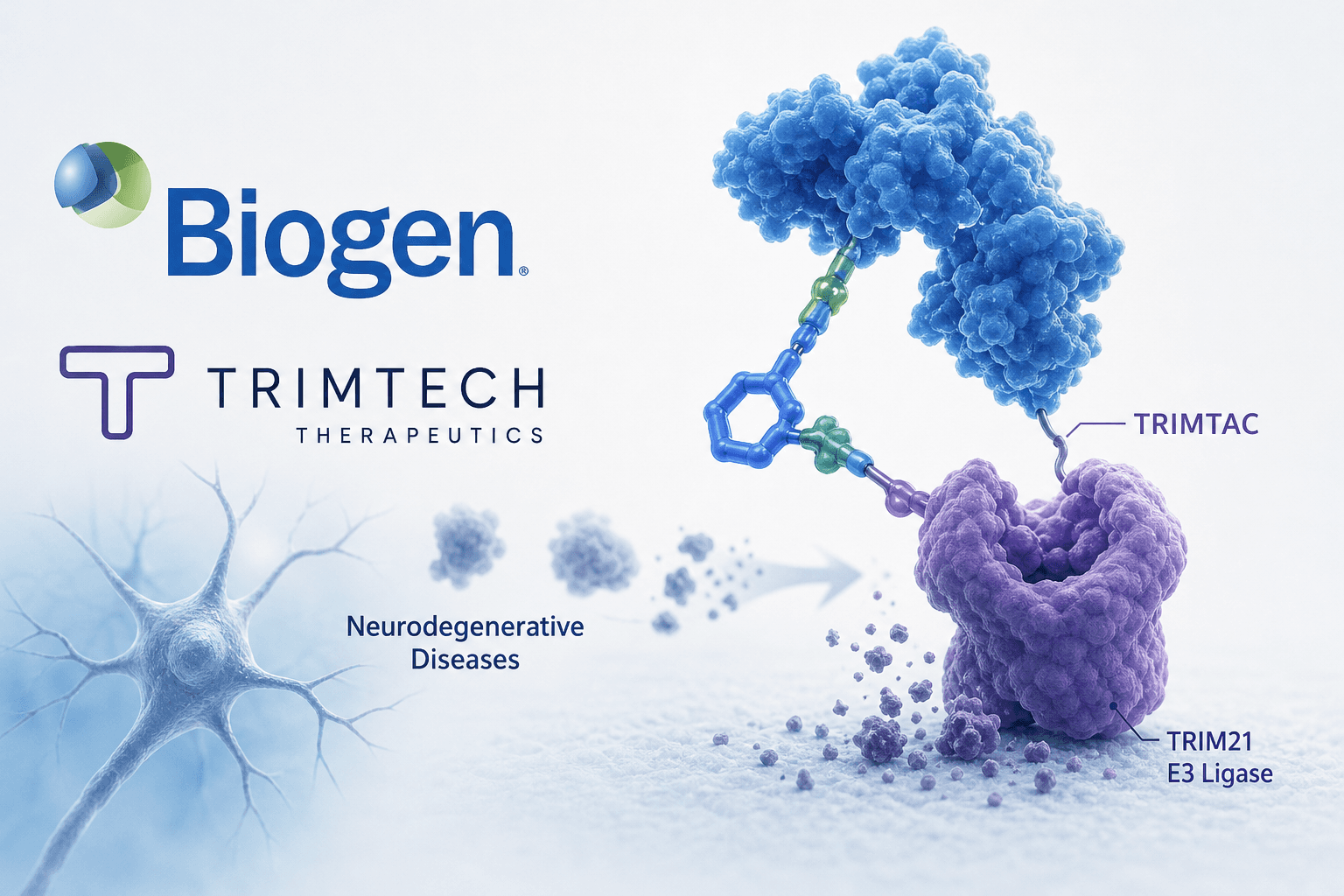
Biogen Invests $411 Million in Neurodegenerative Disease Drug Development
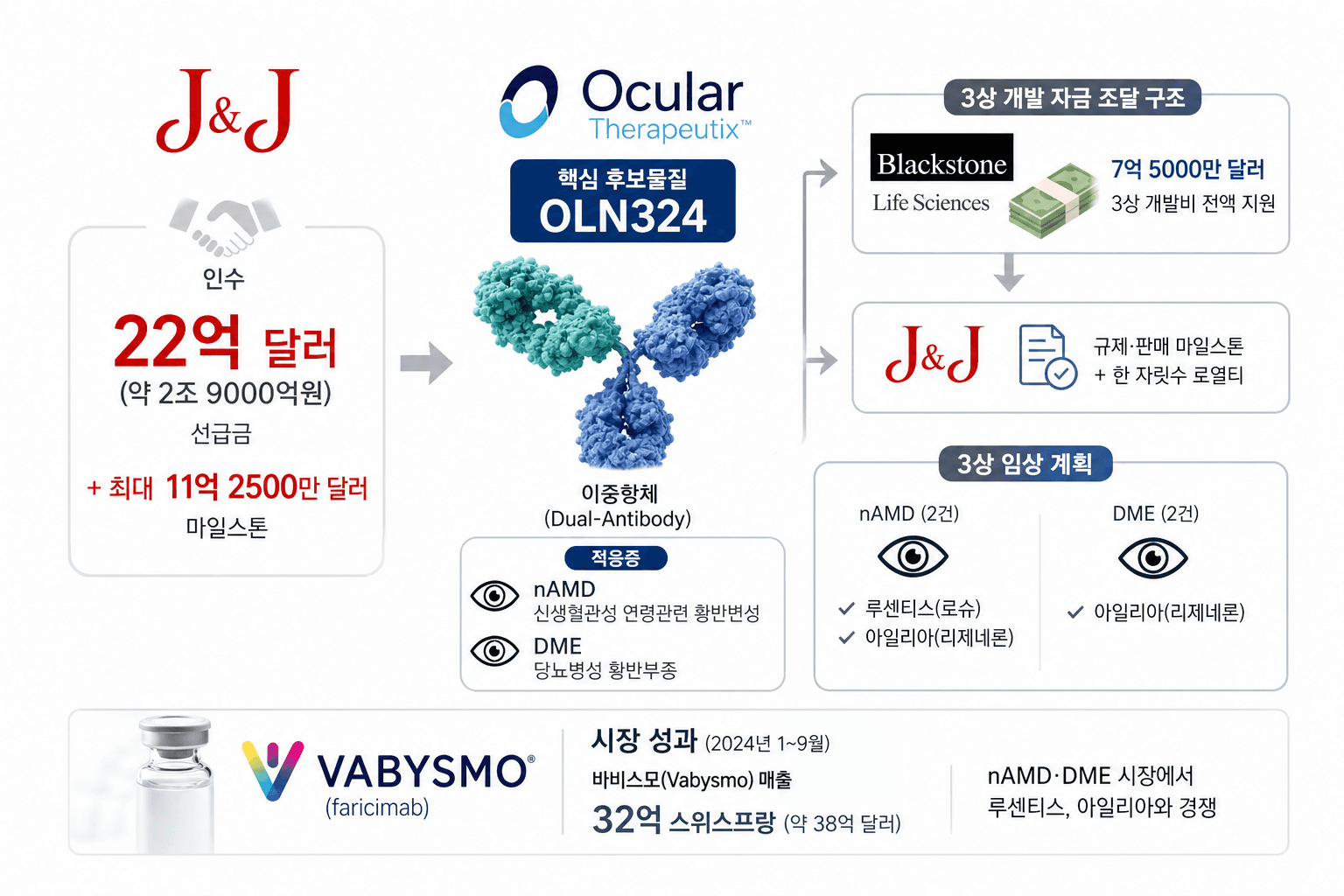
J&J to acquire Olin for $2.9 billion, taking on Roche’s Vabysmo
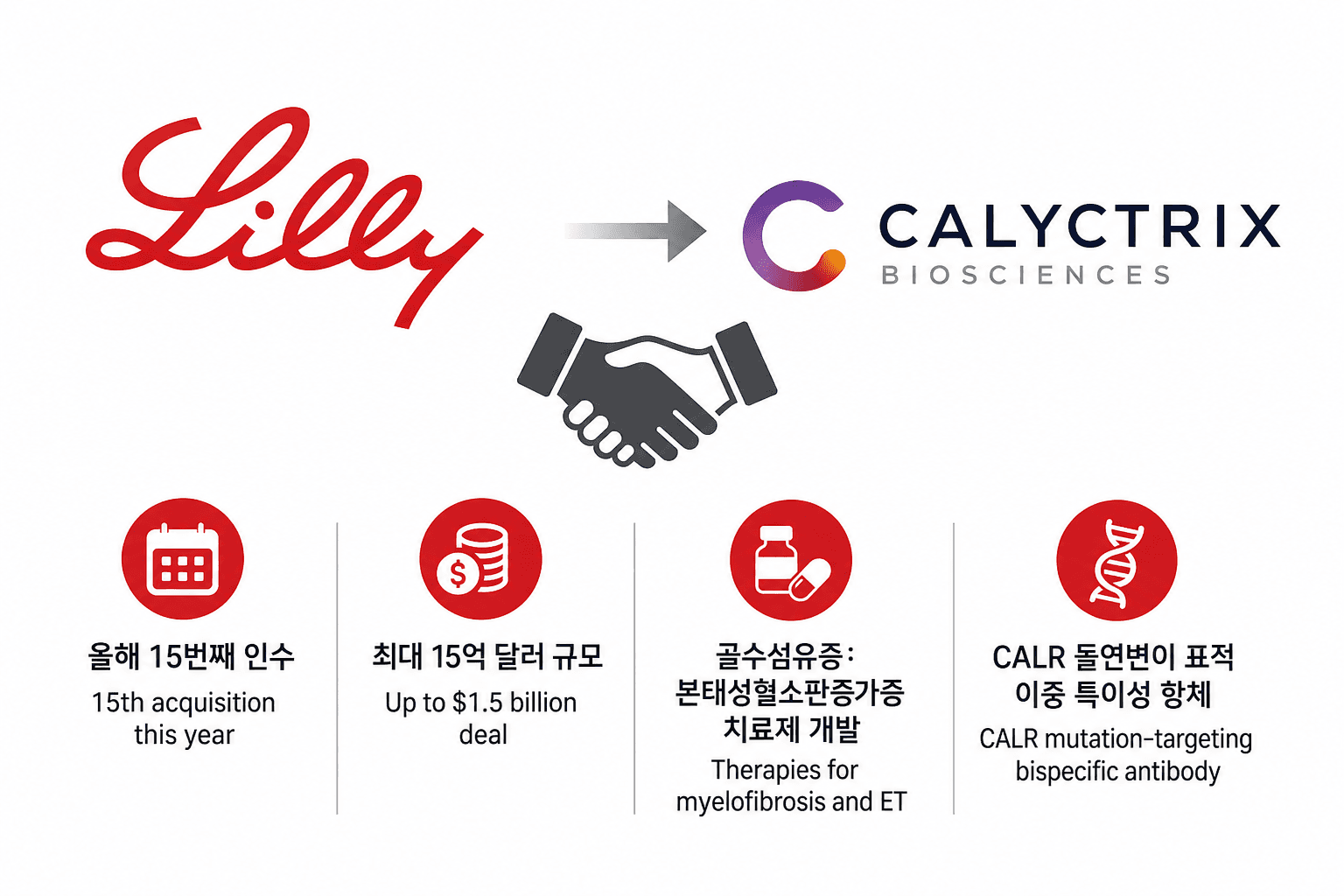
Lilly acquires rare blood cancer drug startup for up to $1.5 billion, its 15th deal this year
Seawolf Secures $100 Million and Signs $1.2 Billion DNA Therapeutics Deal With Sanofi
ROKIT Healthcare to Acquire Insolvent Rehabilitation Company for 7 Billion Won, Betting on a Platform


