Science
Pretreatment ctDNA levels predict patient prognosis Tracking changes during treatment may enable early detection of drug resistance

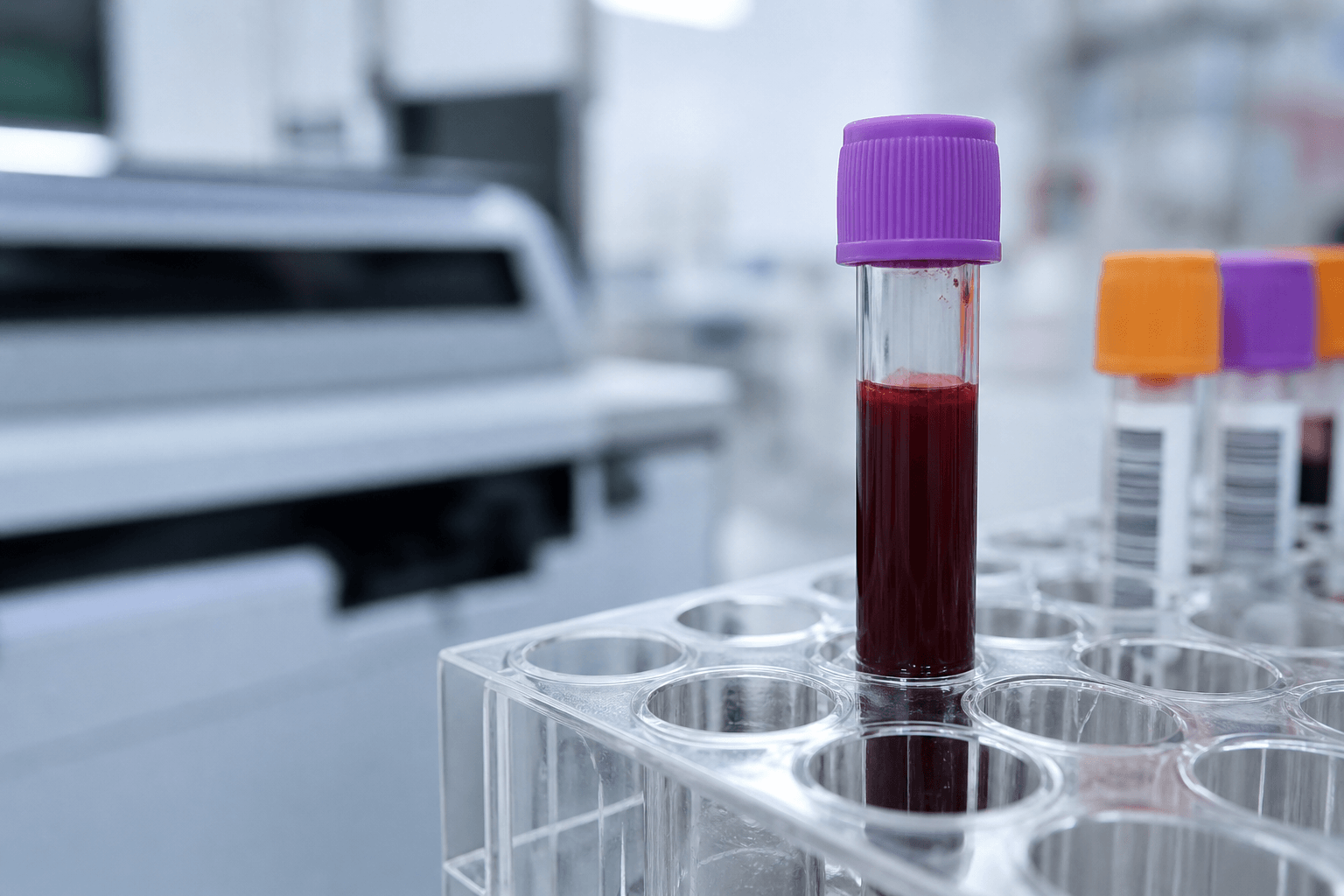
A study found that liquid biopsy, which analyzes DNA derived from cancer cells circulating in the blood, can predict treatment response and detect the early development of resistance in patients with metastatic castration-resistant prostate cancer (mCRPC).
Chinese biotech media outlet BioOn reported on the 28th (local time), citing a study by Japanese researchers published in the international journal Journal of Nuclear Medicine.
Metastatic castration-resistant prostate cancer is difficult to treat, and the prognosis is particularly poor when the cancer has spread to the bones. The radiopharmaceutical radium-223 dichloride (Radium-223) has been shown to extend survival in patients with bone metastases, but it does not have the same effect in all patients, creating a need for methods to predict treatment response.
In this prospective observational study, named KYUCOG-1901, the researchers collected blood samples from 93 patients with mCRPC and bone metastases before the start of radium-223 treatment and at its completion. The team isolated circulating tumor DNA (ctDNA) from the blood and analyzed 88 cancer-related genes.
The analysis showed that patients with pretreatment ctDNA levels of 5% or higher had significantly shorter radiographic progression-free survival (rPFS) and overall survival (OS) than those with lower levels. A poor prognosis was also associated with TP53 gene mutations and PTEN gene deletions or mutations.
The researchers also confirmed that changes in ctDNA before and after treatment were closely associated with disease progression. Patients whose ctDNA levels decreased markedly during treatment tended to respond well, whereas persistently high or increasing levels suggested disease worsening or drug resistance.
The research team said the study was the first to systematically demonstrate the dual value of ctDNA testing in radium-223 treatment. Before treatment, it can serve as a prognostic tool; during treatment, it can act as a “navigator” for real-time monitoring of drug response. The researchers said, “ctDNA testing will provide important evidence for developing personalized treatment strategies by complementing the limitations of conventional imaging examinations.”
Biobook Team
biobookmedia@biobook.co.kr
Nature Cell Wins First-Instance Ruling on Jointstem … “Order for Reconsideration, Not Approval”

Biohub’s $2.4 Billion ‘Virtual Cell’ Project Gives Big Tech 1-Year Exclusive Data Access

Korean Biotechs Target DMOADs for Cartilage Regeneration in Race for Global First

GSK adopts Chai Discovery AI model, citing strong antibody binding

FDA Approves Teva’s Once-Monthly Injectable Schizophrenia Drug Weltruza
“The Tumor’s Glucose Battle” … Cause of Premature Th9 Cell Aging Identified

Peptone nears end of two-year Lilly technology evaluation…follow-on deal could be pivotal
HLB Pharmaceutical Completes 60.8 Billion Won Rights Offering, Bets on New Hyangnam Plant as Management Participation Grows

Song Young-sook sells 86 billion won stake; buyer is daughter’s one-person company — Is a second round of Hanmi control battle looming?
