Science
First-in-class triple reuptake inhibitor Symbravo approved for patients aged 6 and older DEA drug scheduling emerges as key determinant of commercial success

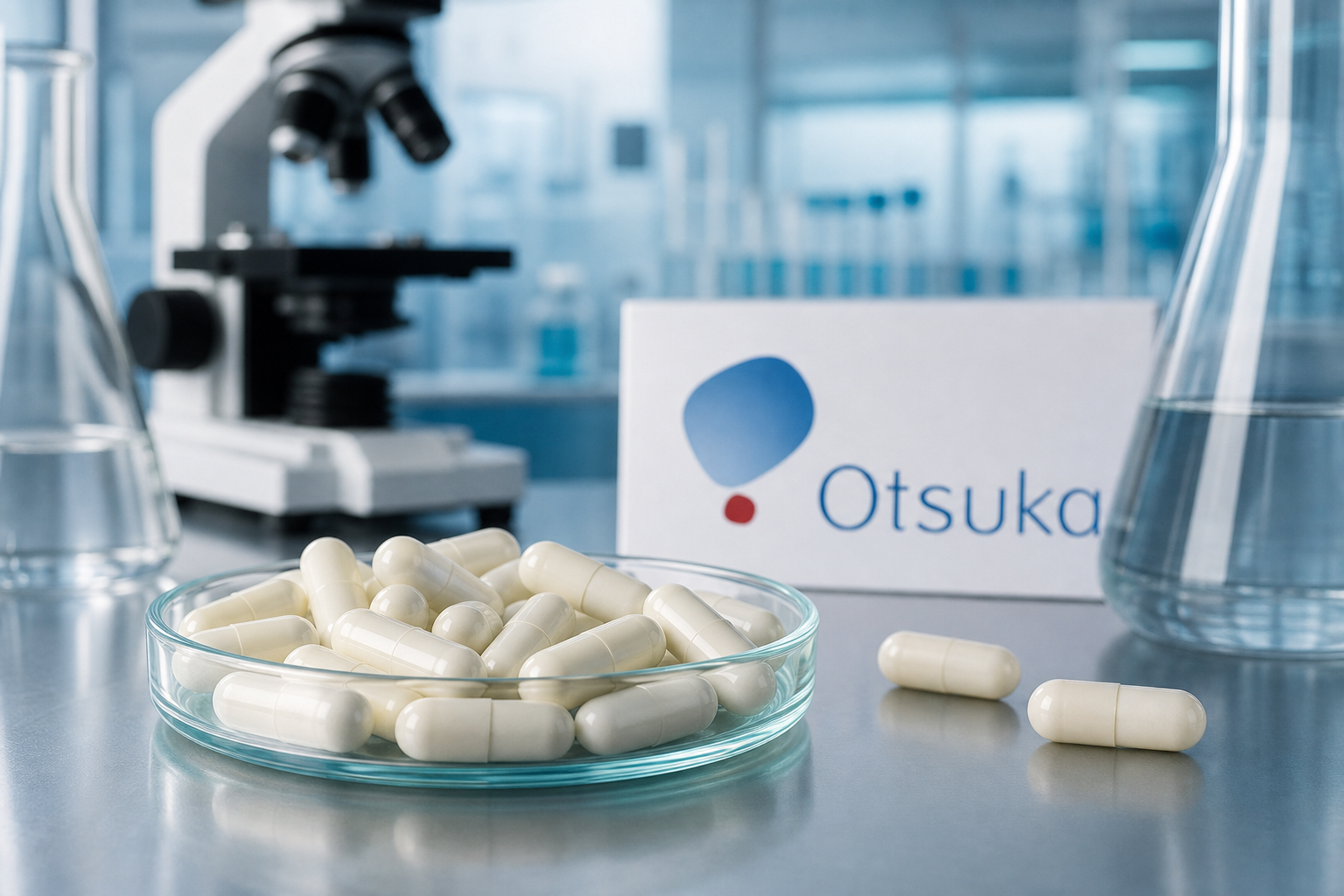
Otsuka Pharmaceutical has received US approval for Symbravo, a treatment for attention-deficit/hyperactivity disorder (ADHD), raising expectations for the emergence of a blockbuster central nervous system (CNS) drug.
According to Fierce Pharma and other foreign media outlets on the 27th local time, the US Food and Drug Administration (FDA) approved Otsuka's once-daily extended-release capsule Symbravo (active ingredient: centanafadine) to treat patients aged 6 and older with ADHD.
Symbravo is the first-in-class drug to inhibit the reuptake of norepinephrine, dopamine and serotonin. It has a novel mechanism that increases the availability of these neurotransmitters in the body, improving attention and behavioral pathways.
Jefferies analysts said Symbravo could become Otsuka's “next major CNS launch product” and has the potential to become a blockbuster in the large market. Otsuka has set a peak sales target of more than 100 billion yen (approximately 915 billion won) for Symbravo.
Before launching in the US market, however, the drug must undergo a controlled-substance review by the US Drug Enforcement Administration (DEA). The standard procedure applies to all CNS stimulants and can take up to 3 months. The drug's commercial potential is expected to depend on how the DEA classifies Symbravo.
If it is designated as a “Schedule II” drug, like Adderall and Vyvanse, prescribing may be restricted. Conversely, if it is classified in a lower schedule, it could gain an advantage in the highly competitive ADHD market, according to Jefferies.
The approval was based on the results of 4 phase 3 clinical trials. In 2 pediatric trials, Symbravo significantly improved ADHD symptoms compared with placebo as measured by the ADHD Rating Scale-5 (ADHD-RS-5); in 2 adult trials, improvement was measured using the Adult ADHD Investigator Symptom Rating Scale (AISRS).
Key adverse effects included rash and decreased appetite in children aged 6 to 12 years; decreased appetite, nausea, rash, headache and abdominal pain in adolescents aged 13 to 17 years; and headache, decreased appetite, insomnia, nausea, dry mouth and diarrhea in adults.
Otsuka secured the compound by acquiring Neurovance in 2017 under terms that included an upfront payment of $100 million (approximately 150 billion won) and milestone payments of up to $150 million (approximately 225 billion won). Symbravo expands Otsuka's CNS portfolio alongside the schizophrenia treatments Rexulti and Abilify Maintena.
Biobook Team
biobookmedia@biobook.co.kr
Roche and Zealand’s Amylin Drug Shows Limited Glucose-Lowering Effect, Potentially Narrowing Its Role to Maintenance Therapy
HLB Makes Fourth Attempt to Win Liver Cancer Drug Approval; Manufacturing Inspection Risks Remain
HLB Submits FDA Resubmission for Liver Cancer First-Line Treatment

Nature Cell Wins First-Instance Ruling on Jointstem … “Order for Reconsideration, Not Approval”

Biohub’s $2.4 Billion ‘Virtual Cell’ Project Gives Big Tech 1-Year Exclusive Data Access

Korean Biotechs Target DMOADs for Cartilage Regeneration in Race for Global First
Rural Development Administration Develops Two Molecular Markers to Identify Leaf Splitting in Squash
MFDS Begins Distribution of Internationally Certified Reference Materials, Including 24 New Items, for a Total of 882
Ministry of Trade, Industry and Energy signs agreement to promote biotech and medical devices in Gangwon; site visit set for the 14th



