Science
Outlook secures FDA approval after three rejections<br>Full-scale entry into the $12 billion U.S. AMD market begins

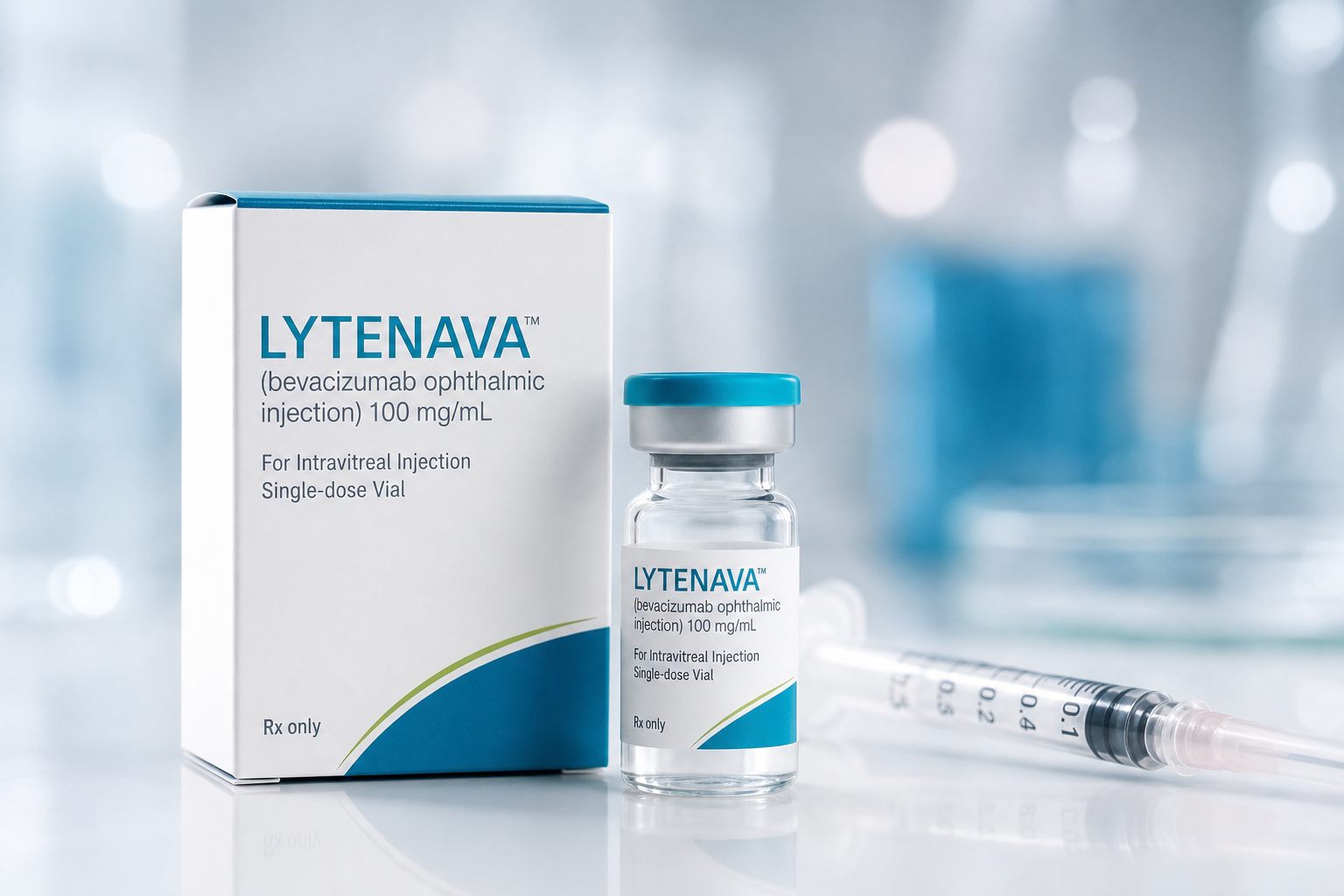
Roche's Avastin, which has been used off-label for more than 20 years, has received formal approval from the U.S. Food and Drug Administration as an ophthalmic treatment after four attempts.
Outlook Therapeutics, headquartered in New Jersey, said on the 27th (local time) that Lytenava, its bevacizumab product for the treatment of wet age-related macular degeneration (AMD), had received approval from the U.S. Food and Drug Administration (FDA).
With the approval, Outlook secured 12 years of market exclusivity under the Biologics Price Competition and Innovation Act (BPCIA). Lytenava is significant because it is the first bevacizumab product specifically designed for direct intraocular administration.
Outlook CEO Bob Yaar said, "Physicians can now use an ophthalmic formulation with assured manufacturing consistency and product quality, instead of repackaging a formulation made for intravenous use."
Outlook is making a full-scale entry into the U.S. wet AMD market, which the company estimates is worth approximately $8.5 billion. The market includes Roche's Vabysmo, Regeneron's Eylea and biosimilars of Lucentis from Novartis and Roche.
Outlook's approval process was not smooth. The company received three complete response letters (CRLs) from the FDA beginning in 2023. After the FDA cited insufficient evidence of efficacy in the third CRL in December last year, the company responded through the formal dispute resolution (FDR) process.
In May, the FDA's Office of New Drugs (OND) concluded that the clinical results and drug-mechanism data, considered together, were sufficient to establish "substantial evidence of effectiveness." Outlook then resubmitted its biologics license application (BLA) last month and secured final approval.
Two clinical trials supported the approval, and both aimed to demonstrate noninferiority to Lucentis. One study met its primary endpoint, while the other failed, providing grounds for the previous approval rejections.
Avastin was originally approved in 2004 as a treatment for colorectal cancer. Two years later, Lucentis, which has the same mechanism of action, was approved to treat wet AMD. However, because the cost per dose of Lucentis—approximately $2,000—was far higher than that of Avastin—approximately $50—physicians began prescribing Avastin off-label.
BIOBOOK TEAM
biobookmedia@biobook.co.kr
Hyundai Bioscience’s Xafty to Enter Phase 2 SFTS Trial Amid Questions Over Patient Recruitment and Efficacy Testing
Google DeepMind Develops AI Protein “Watermark,” Demonstrates Function Is Preserved
BioNTech’s mRNA Cancer Vaccine Fails Phase 3 Endpoint; Shares Fall 5%

First Keytruda Biosimilar Enters FDA Review as Formycon, Zydus File Application

15-Month Follow-Up of In Vivo CAR-T Therapy: 1 of 4 Patients With Multiple Myeloma Maintains Complete Remission

Drug Reverses Damage From APOE4, Alzheimer’s Strongest Genetic Risk Factor, in Experimental Models



