Science
Phase 3 ARANOTE met its primary endpoint (rPFS) Reduced risk of disease progression versus ADT alone

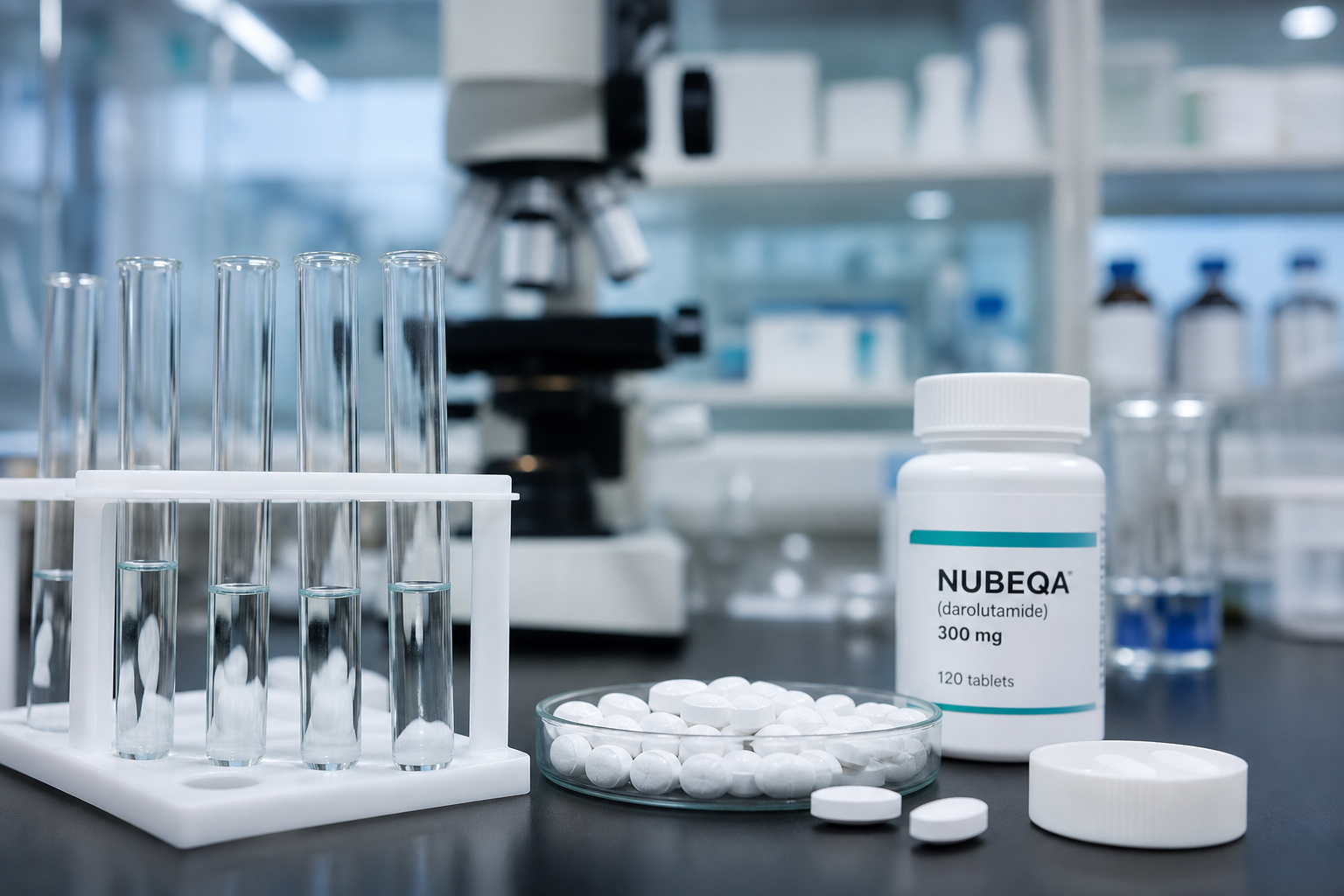
Bayer’s oral prostate cancer treatment Nubeqa (ingredient: darolutamide) has been approved by the US Food and Drug Administration (FDA) after demonstrating that it delays disease progression in patients with metastatic castration-sensitive prostate cancer (mCSPC).
According to the biotech publication Fierce Pharma on the 27th local time, Professor Rana McKay said in an interview that the results were confirmed in the phase 3 ARANOTE trial. The study results were also published in the Journal of Clinical Oncology (JCO).
The ARANOTE trial compared patients with mCSPC outside the United States who received Nubeqa in combination with androgen deprivation therapy (ADT) with those who received ADT alone. Because combining ADT with another drug has become the standard of care in the United States, the trial was designed this way to enable a clear comparison with ADT monotherapy.
The results showed that the Nubeqa combination group met the trial’s goal by achieving a statistically significant improvement in the primary endpoint, radiographic progression-free survival (rPFS), compared with the ADT monotherapy group. Positive trends were also observed for key secondary endpoints, including overall survival (OS) and prostate-specific antigen (PSA) response.
Professor McKay explained, “These results support Nubeqa as an effective androgen receptor inhibitor (ARi) for patients with mCSPC” and “became a key basis for the FDA’s recent approval of the indication.”
The trial included a broad range of patients with mCSPC, including those with high or low tumor burden, as well as those who had metastatic disease at initial diagnosis or developed metastases after recurrence.
Nubeqa is an ARi jointly developed by Bayer and Finnish pharmaceutical company Orion. It competitively inhibits androgen binding, nuclear translocation and androgen receptor-mediated transcription.
Reported major adverse events included ischemic heart disease and seizures. In an integrated analysis of the ARAMIS and ARANOTE trials, ischemic heart disease occurred in 3.4% of patients who received Nubeqa, higher than the rate in the placebo group (2.2%).
BIOBOOK TEAM
biobookmedia@biobook.co.kr
Roche and Zealand’s Amylin Drug Shows Limited Glucose-Lowering Effect, Potentially Narrowing Its Role to Maintenance Therapy

HLB Makes Fourth Attempt to Win Liver Cancer Drug Approval; Manufacturing Inspection Risks Remain

HLB Submits FDA Resubmission for Liver Cancer First-Line Treatment

Nature Cell Wins First-Instance Ruling on Jointstem … “Order for Reconsideration, Not Approval”

Biohub’s $2.4 Billion ‘Virtual Cell’ Project Gives Big Tech 1-Year Exclusive Data Access

Korean Biotechs Target DMOADs for Cartilage Regeneration in Race for Global First



