
Policy & Regulation
Antibiotic prescriptions fell 30%, but questions remain about drug-cost savings Conflicts between physicians and pharmacists over generic prescribing and substitution persist

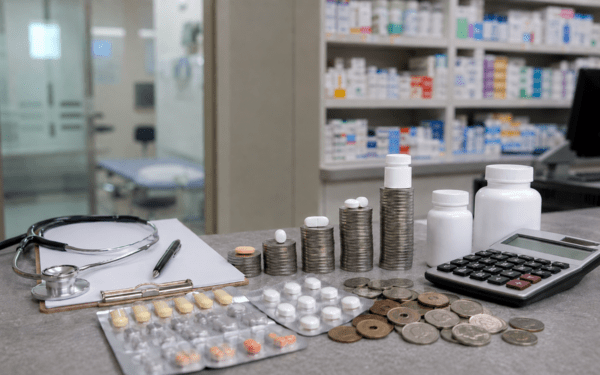
Twenty-five years after the separation of prescribing and dispensing was implemented, assessments of its success remain divided over its central goal of reducing drug costs.
The separation of prescribing and dispensing is a system that divides professional responsibilities so that physicians diagnose and prescribe while pharmacists dispense. It was implemented in July 2000. The system was introduced with the aim of reducing antibiotic misuse and drug costs. After the principle of separating prescribing and dispensing was incorporated into the Pharmaceutical Affairs Act in 1963, the system was fully implemented 37 years later following pilot programs and several revisions to the act.
The results were clear in curbing medication misuse. At a 2020 symposium hosted by the Korean Academy of Health Policy and Management and the Korea Institute for Health and Social Affairs, Professor Lee Sang-i of Jeju National University College of Medicine announced that total antibiotic use had fallen by approximately 30% as pharmacies’ discretionary dispensing was eliminated. He also presented an analysis that prescriptions themselves had declined because physicians’ financial incentives to prescribe medications had been removed.
At the time of the separation of prescribing and dispensing, Lee was a deputy director at the Ministry of Health and Welfare responsible for the practical work of designing the system. He also cited the reduction in injections as an achievement. However, there is disagreement over whether the reductions in antibiotics and injections resulted solely from the separation system. The Health Insurance Review and Assessment Service’s evaluation of the appropriateness of drug benefits, implemented in 2001, also contributed to the decline in prescribing rates, according to some assessments.
There were also changes in patients’ rights. Lee explained that patients’ right to know improved when prescriptions, previously monopolized by physicians and pharmacists, became available to patients. He added that patients who had previously resolved their care through dispensing at pharmacies began visiting medical institutions, where they underwent testing and diagnosis, which also helped with the early detection of disease.
The share of drug costs in National Health Insurance medical expenses actually declined. According to Lee’s presentation, the share of drug costs fell from 32.5% in 1999 to 29.6% in 2009 and 24.6% in 2018.
However, assessments have concluded that the goal of reducing total drug costs was not achieved. Statistics comparing areas exempt from the separation system with areas where it applied provided the basis for this criticism.
Professor Kim Yang-gyun of Kyung Hee University disclosed National Health Insurance Service data at a 2011 National Assembly policy debate. From 2005∼2009, the number of medications per prescription fell by 3.58% in areas covered by the separation system, compared with a 13.95% decline in exempt areas. During the same period, antibiotic prescribing rates fell by 10.33% in covered areas and 16.11% in exempt areas, meaning the decline was greater in exempt areas.
Medical and pharmacy groups differed over who was responsible for the increase in drug costs. At the debate, Shin Kwang-sik, insurance director of the Korean Pharmaceutical Association, argued that the biggest reason drug costs had increased was the growing share of drug costs prescribed by physicians. He said that those concerned about rising drug costs should support the introduction of generic prescribing.
Generic prescribing and substitution remain central issues 25 years later. Generic prescribing means that physicians prescribe by the name of the active ingredient rather than a specific product name, while substitution refers to pharmacists dispensing a different drug containing the same ingredient. Lee emphasized that substitution should be expanded by producing drugs that have undergone bioequivalence testing, allowing pharmacists to dispense relatively less expensive medications.
The medical community is calling for a reassessment of the system itself. During a 2020 symposium discussion, Park Jong-hyuk, executive director of the Korean Medical Association, questioned whether the symposium’s theme could be labeled an “achievement.” The pharmacists’ association countered by urging implementation of agreements, including issuing two copies of prescriptions and submitting prescription lists.
Challenges in improving the system also remain. A leading criticism is that the number of medications per prescription is high compared with OECD countries. Reducing the number of areas exempt from the separation system and expanding generic prescribing and substitution have been cited as remaining tasks.
BIOBOOK TEAM
biobookmedia@biobook.co.kr
MFDS to Use AI for Vaccine Release and Process Validation, Shifting From Post-Production Testing to Real-Time Prediction
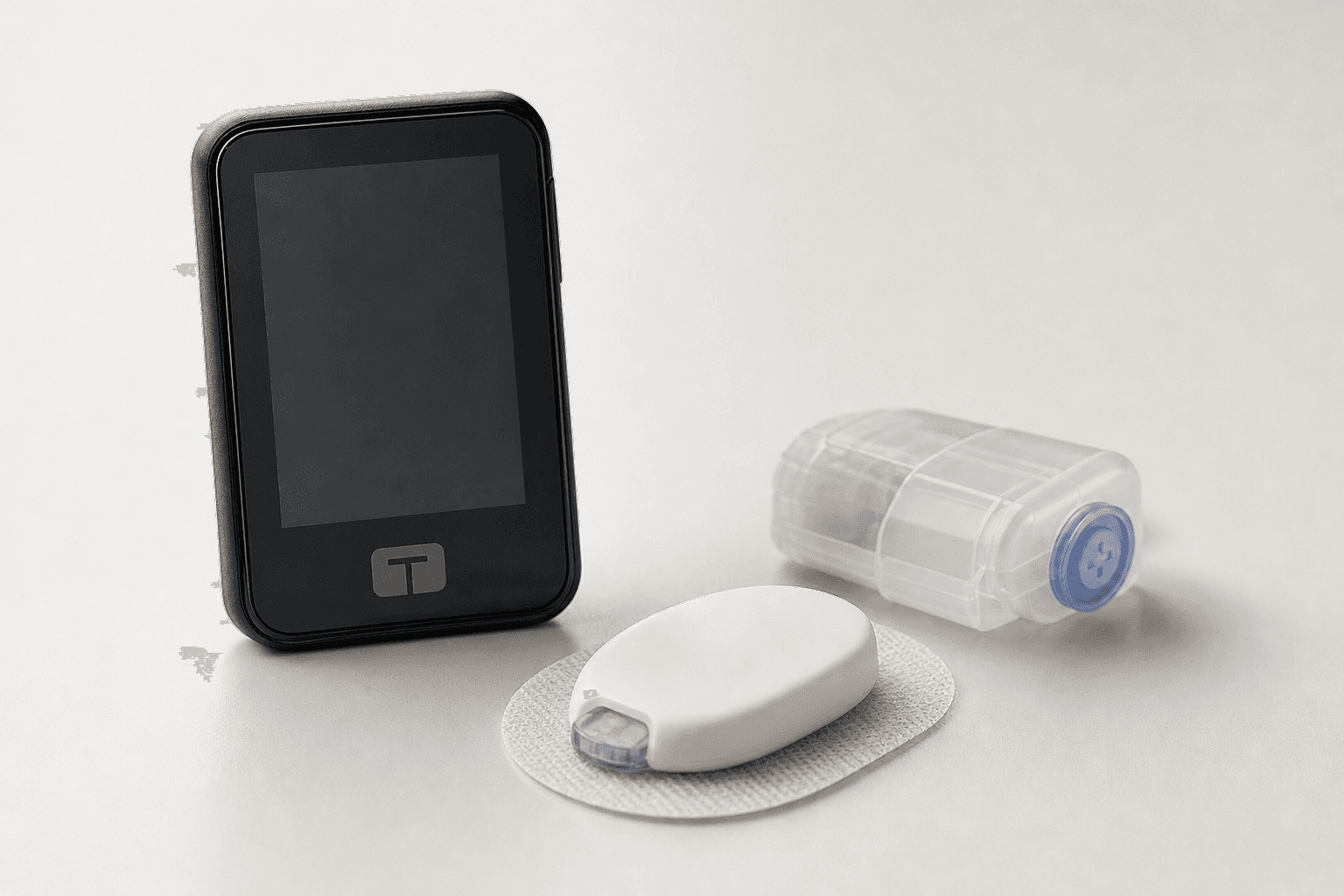
Tandem’s tubeless insulin pump wins FDA approval, with wear time of up to 7 days

‘Speed Race’ for Innovative Medical Devices Stalls at Health Insurance Reimbursement Hurdle

The ‘Valley of Death’ for Infectious Disease Treatments: Cross-Agency Coordination Is Key
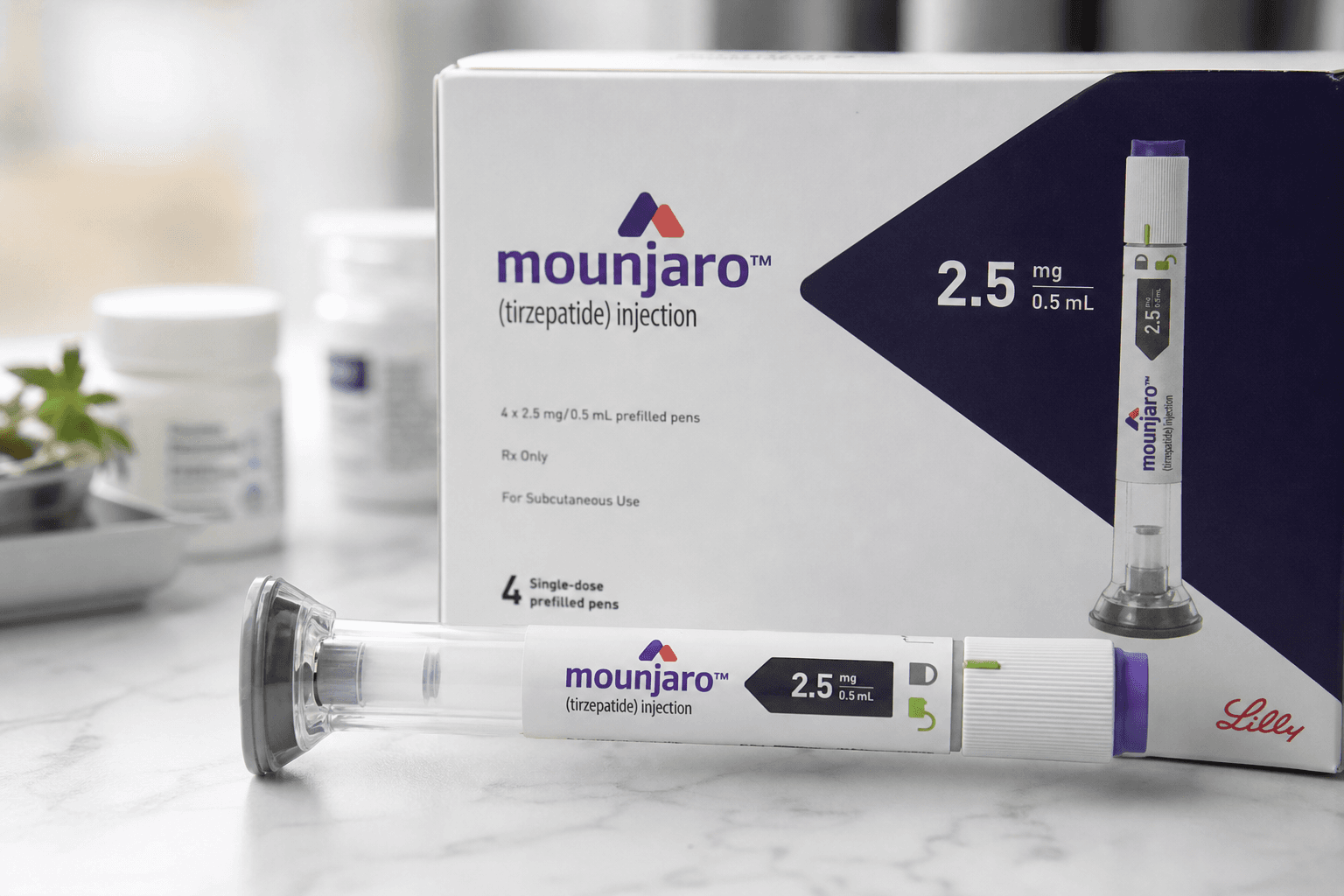
Mounjaro Costs 59,000 Won in Japan, 300,000 Won in Korea, Sparking Price Debate
SME Ministry aims to develop 20 AI startups valued at 1 trillion won by 2030


