
Market
KRICT launches DNA-encoded library (DEL) core bank platform Expected to reduce reliance on overseas services and significantly shorten discovery timelines and costs

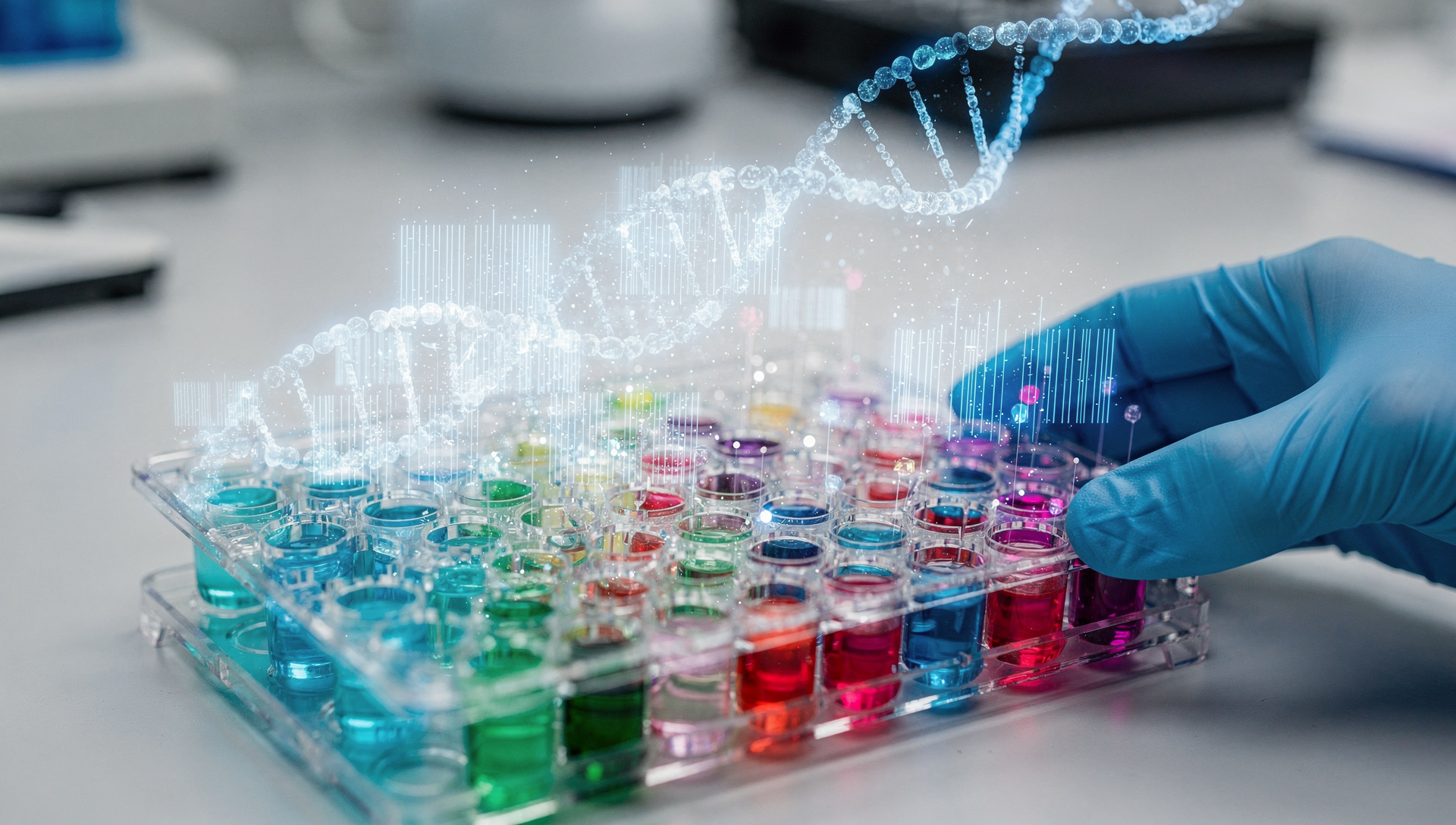
The Korea Research Institute of Chemical Technology has launched a public service that can simultaneously screen tens of millions of drug candidates.
According to Ajou Life Science and other life sciences media outlets on the 10th, the Korea Research Institute of Chemical Technology (KRICT) announced that it would fully launch the DEL core bank platform, which supports the discovery of active compounds based on DNA-encoded library (DEL) technology. The platform will provide domestic industry, academia and research institutions with technology that until now was held internally by only a small number of companies or required reliance on expensive overseas services.
Drug development begins with screening to identify active compounds that bind to disease-target proteins. Conventional high-throughput screening (HTS) methods analyze compounds one at a time and offer high reliability, but testing 1 million compounds takes about 2 months and requires substantial time and expense.
By contrast, DEL technology attaches a unique DNA barcode to each compound, enabling the simultaneous screening of vast numbers of compounds. Even more than tens of millions of compounds can be screened within 1 month, significantly reducing time and cost. The technology builds compound libraries containing millions of compounds through a “split-and-pool” method, in which multiple chemicals and DNA barcodes are sequentially combined and mixed.
Afterward, the compounds are reacted with the disease-target protein, and only the DNA barcodes of the bound compounds are decoded in large quantities through next-generation sequencing (NGS) to identify active compounds. KRICT also developed its own artificial intelligence (AI)-based analytical method to reduce errors that may occur during this process and identify structures with strong protein-binding affinity.
Using machine learning-based data analysis, KRICT selects the top 50 compounds with the greatest drug potential and provides a final report. Upon request, it also resynthesizes the pure compounds after removing the DNA barcodes and supports validation experiments against the target protein.
The project is part of the Ministry of Science and ICT and National Research Foundation of Korea’s “Establishment of a Core Bank Based on a Large-Scale DNA-Encoded Library Platform” project and will provide a 50% reduction in service fees through 2027. Daewoong Pharmaceutical, iLab, the National Cancer Center, Ewha Womans University and Gwangju Institute of Science and Technology (GIST) are currently receiving support.
Jeong-nyeong Heo, head of KRICT’s DEL Research Group, said, “We will reduce reliance on overseas DEL technology and support an efficient domestic drug development process, from the discovery of initial active compounds through follow-up validation.” KRICT President Seok-min Shin said, “It is meaningful that we are now able to provide advanced drug development services using proprietary domestic technology.”
BIOBOOK TEAM
biobookmedia@biobook.co.kr
Lotte Biologics Wins First Large-Scale Commercial Manufacturing Contract, Establishing Revenue Base
AstraZeneca’s new myasthenia gravis drug, cligepa, approved simultaneously in U.S. and EU
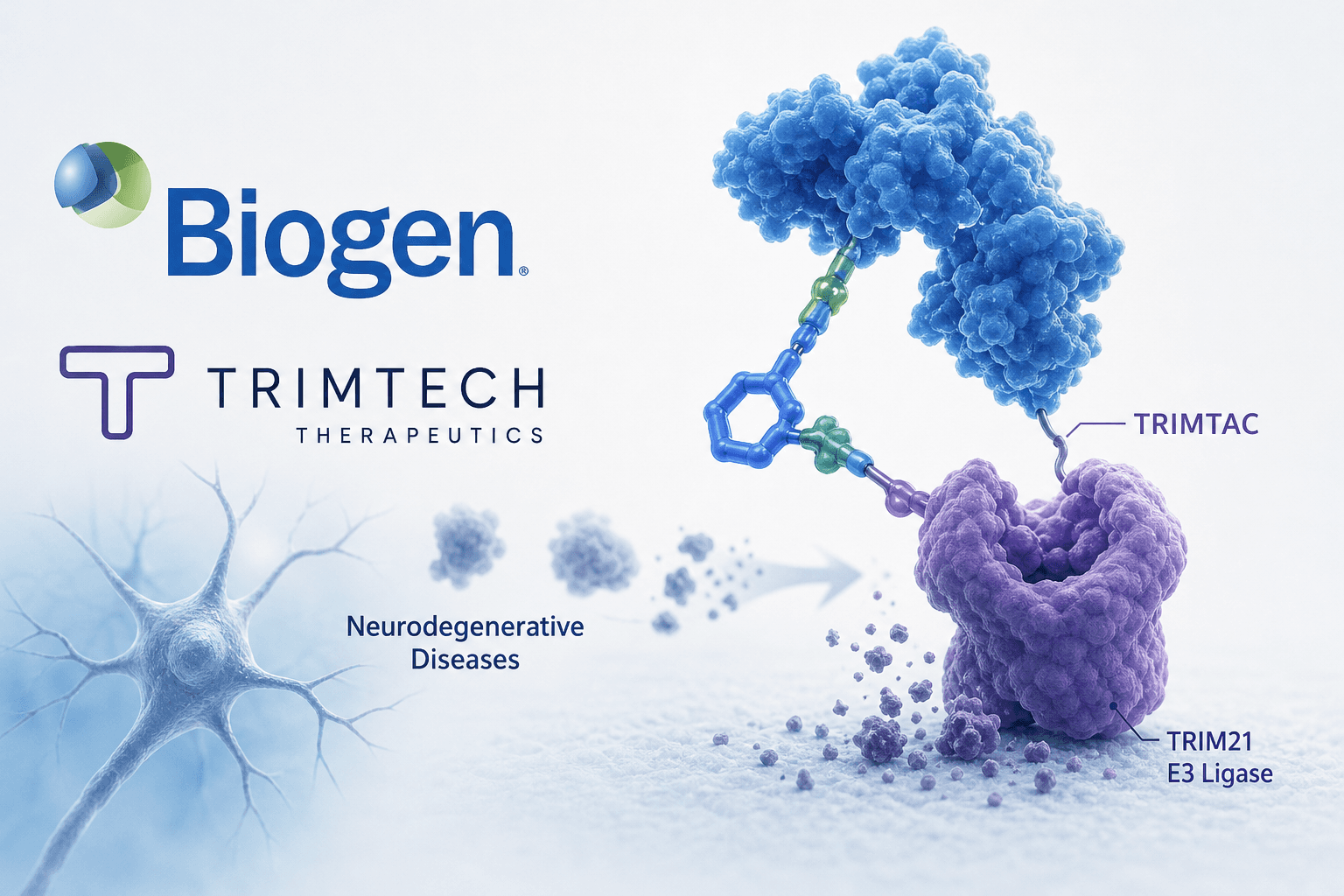
Biogen Invests $411 Million in Neurodegenerative Disease Drug Development
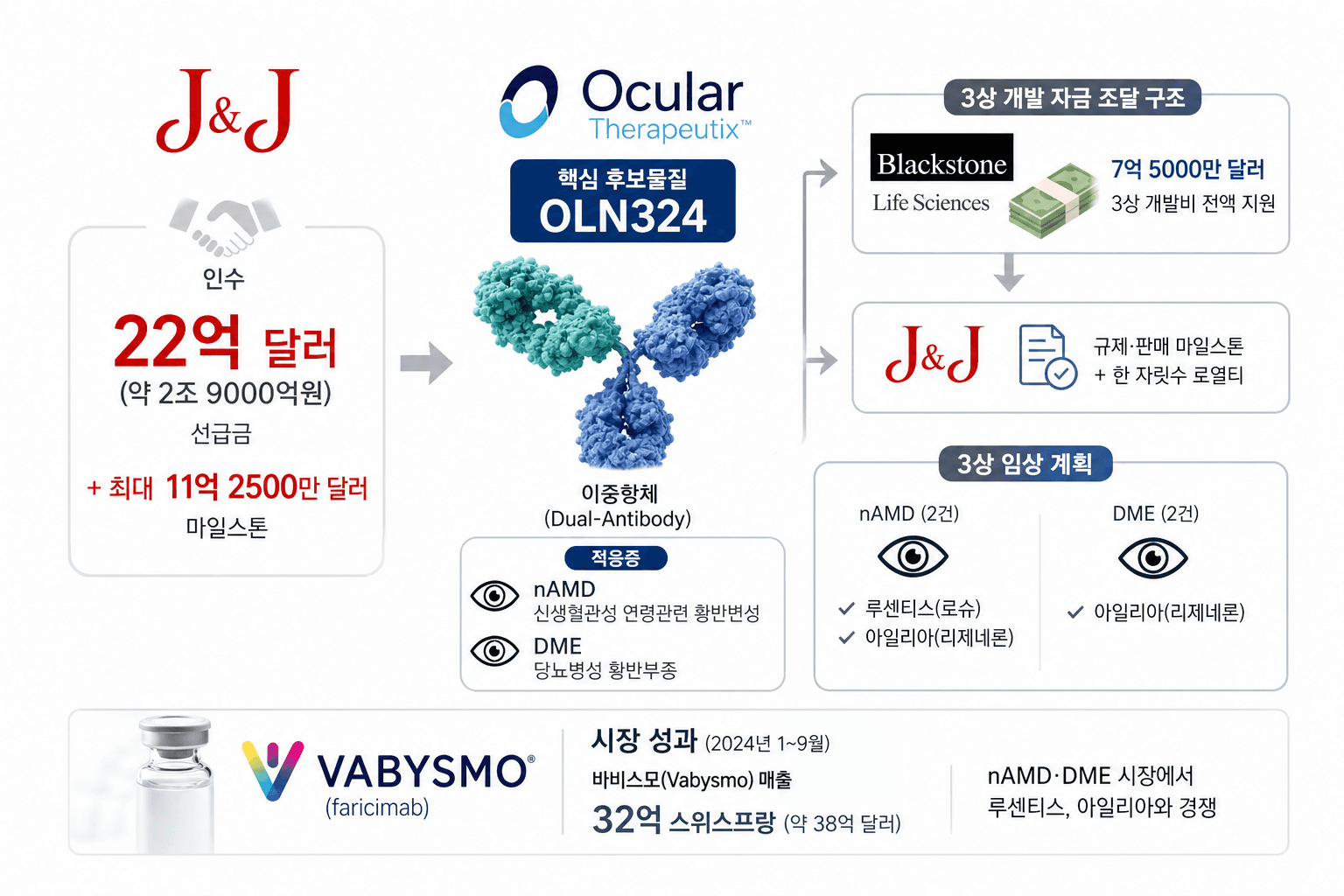
J&J to acquire Olin for $2.9 billion, taking on Roche’s Vabysmo
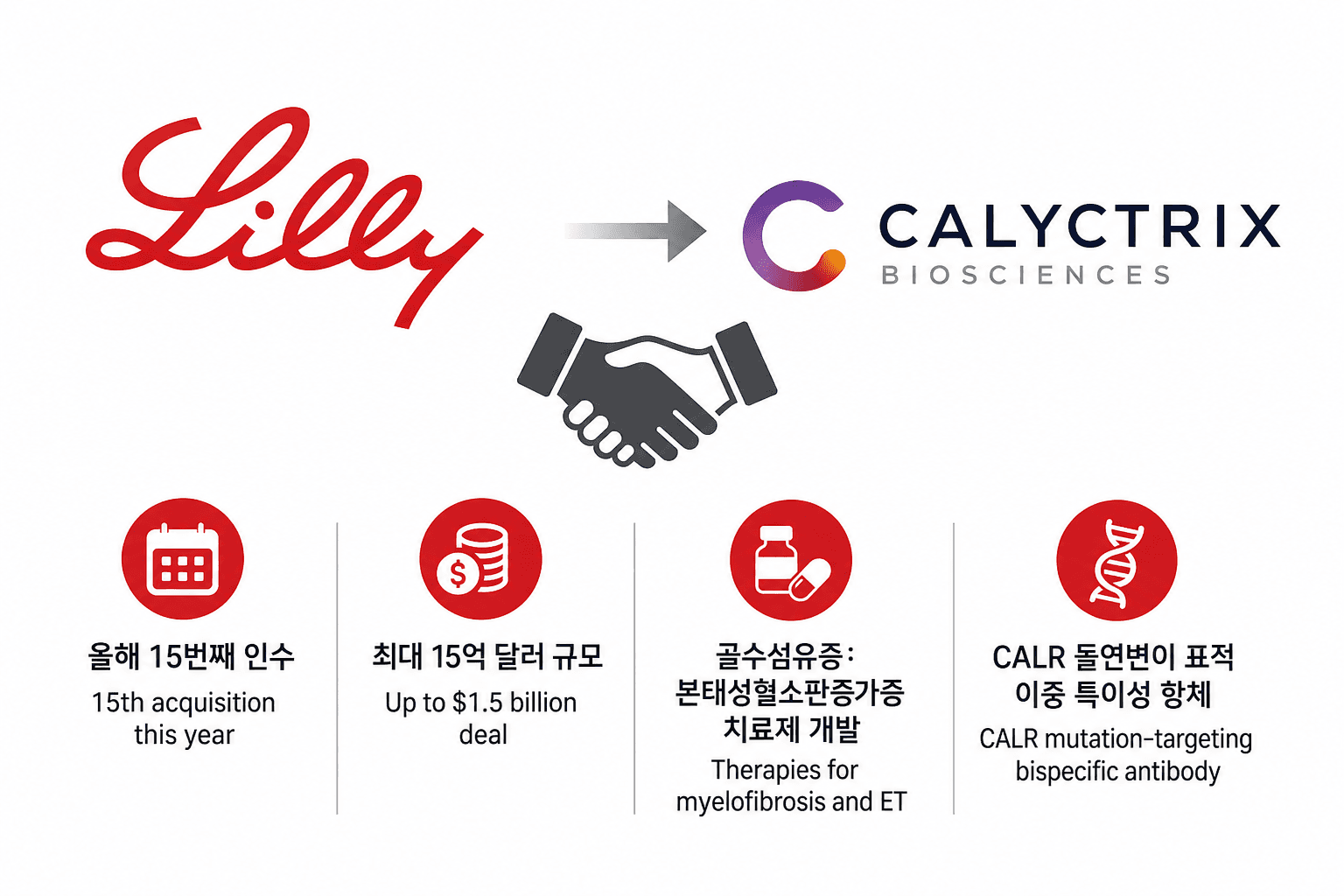
Lilly acquires rare blood cancer drug startup for up to $1.5 billion, its 15th deal this year
Seawolf Secures $100 Million and Signs $1.2 Billion DNA Therapeutics Deal With Sanofi


