Market
No hyaluronidase required; twice the concentration of competing technologies raises licensing expectations DART filing shows consolidated operating loss of 28.381 billion won; execution of a definitive agreement in the third quarter is key

Inventage Lab, which posted a consolidated operating loss of 28.3 billion won, has mounted a direct challenge to Halozyme, a leader in the global subcutaneous (SC) formulation market.
Hana Securities said in a report on the 14th that Inventage Lab had added the antibody-drug subcutaneous injection platform 'IVL-Biofluidic' as a new growth driver. Inventage Lab first unveiled the platform at the drug-delivery conference 'PODD 2025,' held in Boston in October last year, where it discussed potential technology collaborations and licensing with multinational pharmaceutical companies including J&J·Roche·AstraZeneca·Gilead·Boehringer Ingelheim.
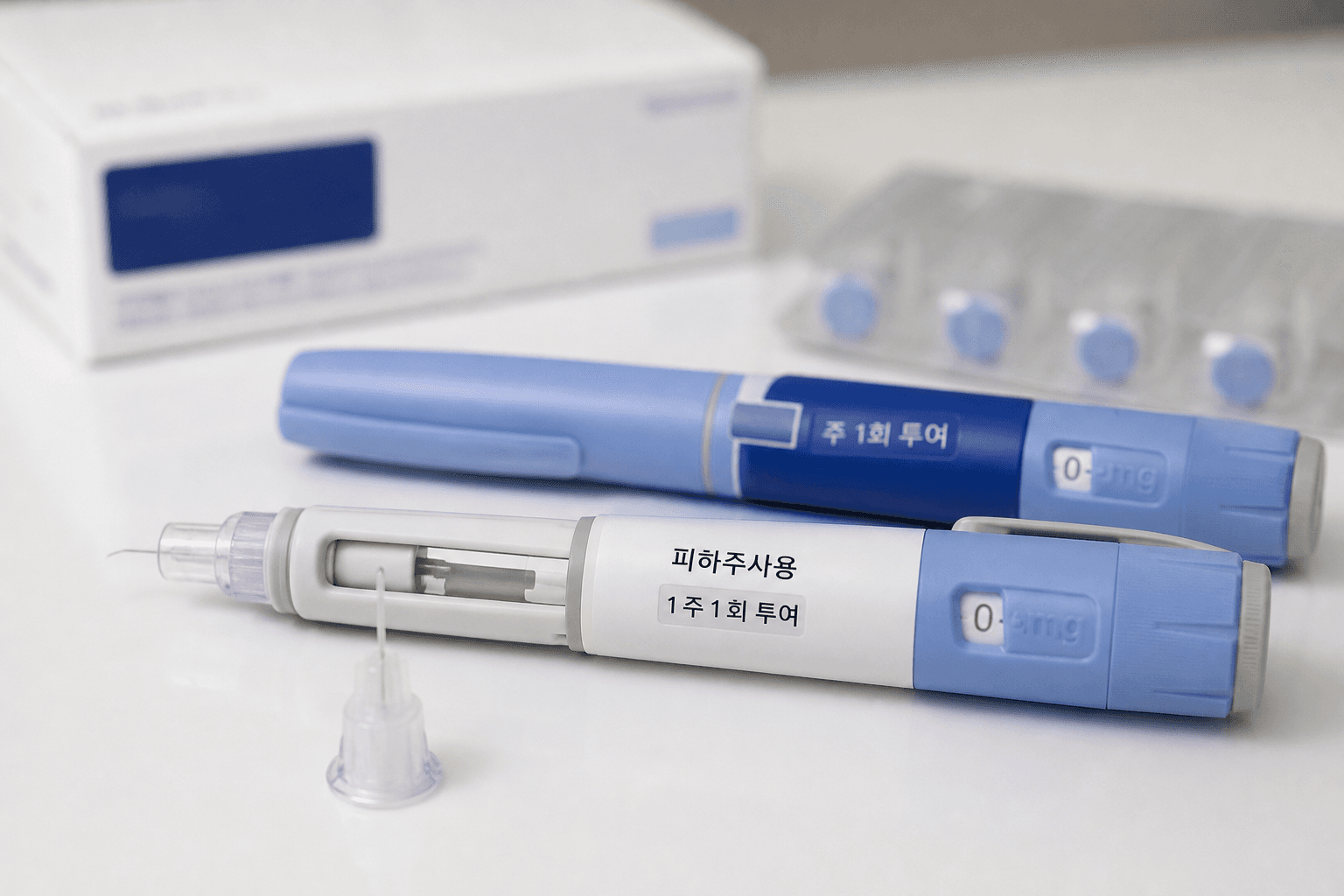
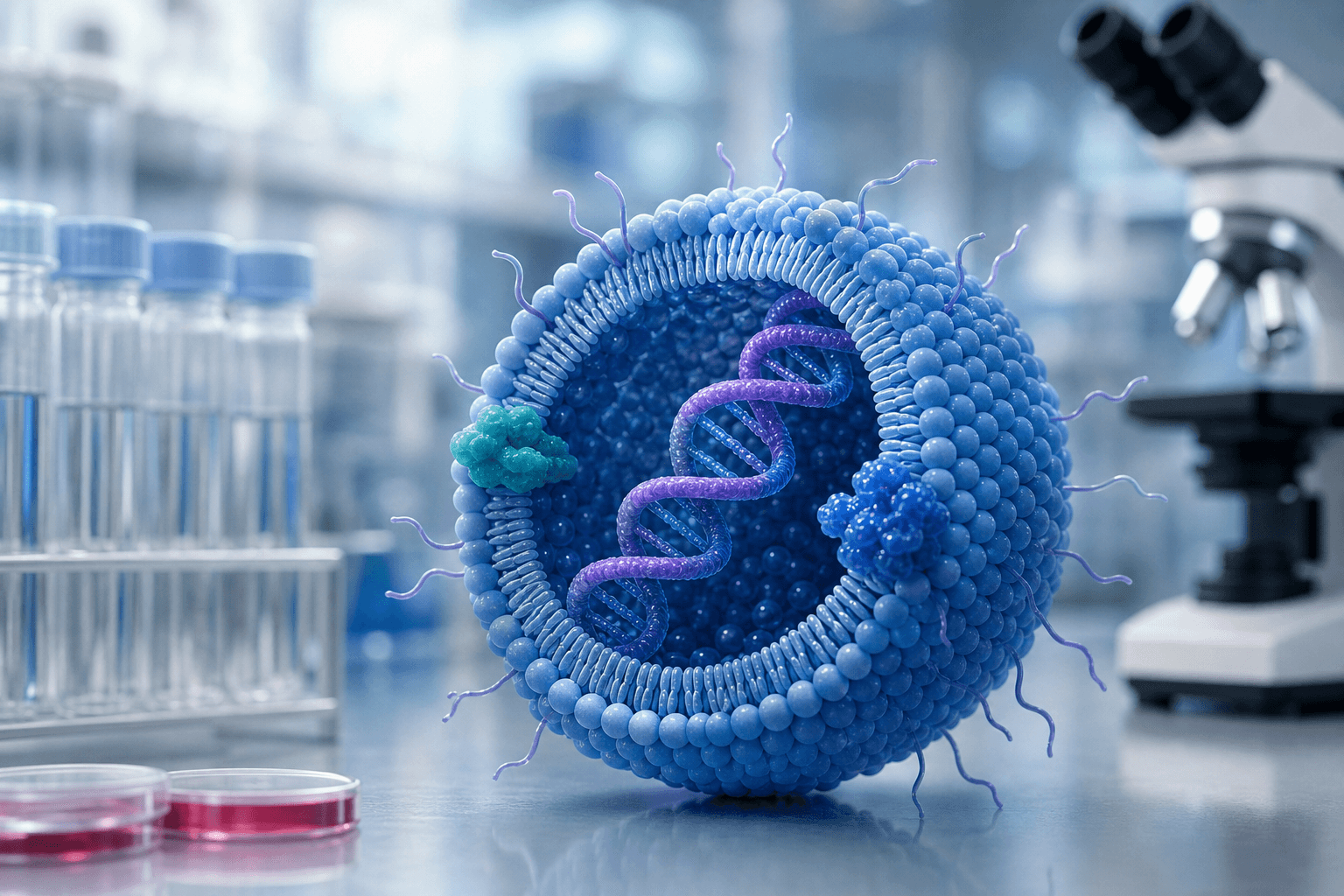
The technology’s key differentiator is its ability to produce high-concentration formulations without hyaluronidase. Whereas Halozyme’s technology uses the enzyme hyaluronidase to expand the subcutaneous space, IVL-Biofluidic uses microfluidic technology to concentrate drugs into microparticles in dry-powder form. According to Inventage Lab, it has achieved a concentration level more than twice that of previously disclosed competing technologies. The technology can reduce drug volume by more than 90%, enabling production as a small-volume injection of 2.5 mL or less, and is also considered advantageous because it can be distributed at room temperature.
Halozyme provides a market reference point. Halozyme has signed technology-transfer agreements worth hundreds of billions of won with Eli Lilly·J&J and others, while Vertex Pharmaceuticals signed an agreement on the 7th of this month to pay Halozyme an upfront payment of $15 million (approximately 2.16 billion won). Halozyme’s acquisition of U.S. biotech company Elektrofi for 1.3 trillion won also illustrates the value of technology in this field.
However, IVL-Biofluidic is still at the in vivo animal-testing stage. It has currently achieved a concentration of 400~500 mg/mL, but additional development is needed to reach the ultimate target of at least 750 mg/mL. This is a key factor in gauging how quickly a technology-transfer deal could become a reality.
Against this backdrop, the results of the shareholders’ meeting disclosed on March 31 provide context. According to the DART filing, Inventage Lab’s consolidated revenue for its 11th fiscal year (2025) was only 2.939 billion won, while its operating loss reached 28.381 billion won. On a separate-basis basis, revenue was 4.107 billion won against an operating loss of 20.690 billion won, meaning the loss exceeded five times revenue. At the shareholders’ meeting, agenda items including the reelection of Jeon Chanhee, executive director and chief technology officer (CTO), the appointment of two new outside directors, and approval of stock options were approved.
Results from existing partnerships could accelerate the timing of monetization. In the joint development of a long-acting injectable for an undisclosed peptide compound with German pharmaceutical company Boehringer Ingelheim, the second formulation was delivered at the end of March, and execution of a definitive agreement is expected in the third quarter. For the once-monthly injectable semaglutide (IVL3021) being jointly developed with Yuhan Corp., the company plans to submit an investigational new drug (IND) application for a phase 1 clinical trial within this year, and preclinical data will also be presented at the American Diabetes Association (ADA) meeting in June.
Production capacity is also being expanded. At a facility under construction in Osong, Chungcheongbuk-do, that will meet European Union Good Manufacturing Practice (EU-GMP) standards, discussions are reportedly underway with global partners on contract development and manufacturing organization (CDMO) agreements worth hundreds of billions of won annually. The GMP plant acquired through the purchase of KOSDAQ-listed Quratis early this year is also expected to be used as a production asset to expand the contract manufacturing business.
BIOBOOK TEAM
biobookmedia@biobook.co.kr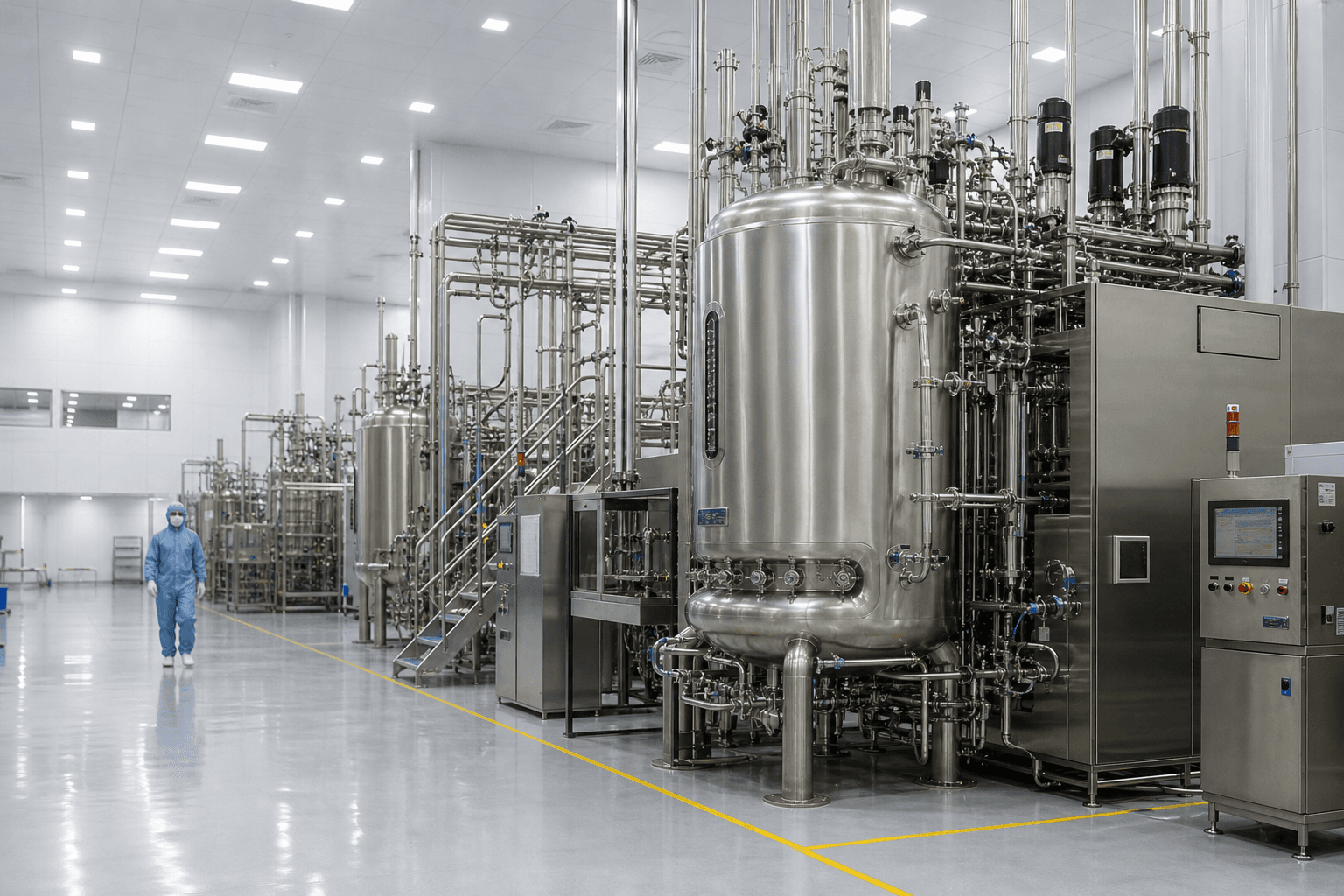
Lotte Biologics Wins First Large-Scale Commercial Manufacturing Contract, Establishing Revenue Base
AstraZeneca’s new myasthenia gravis drug, cligepa, approved simultaneously in U.S. and EU
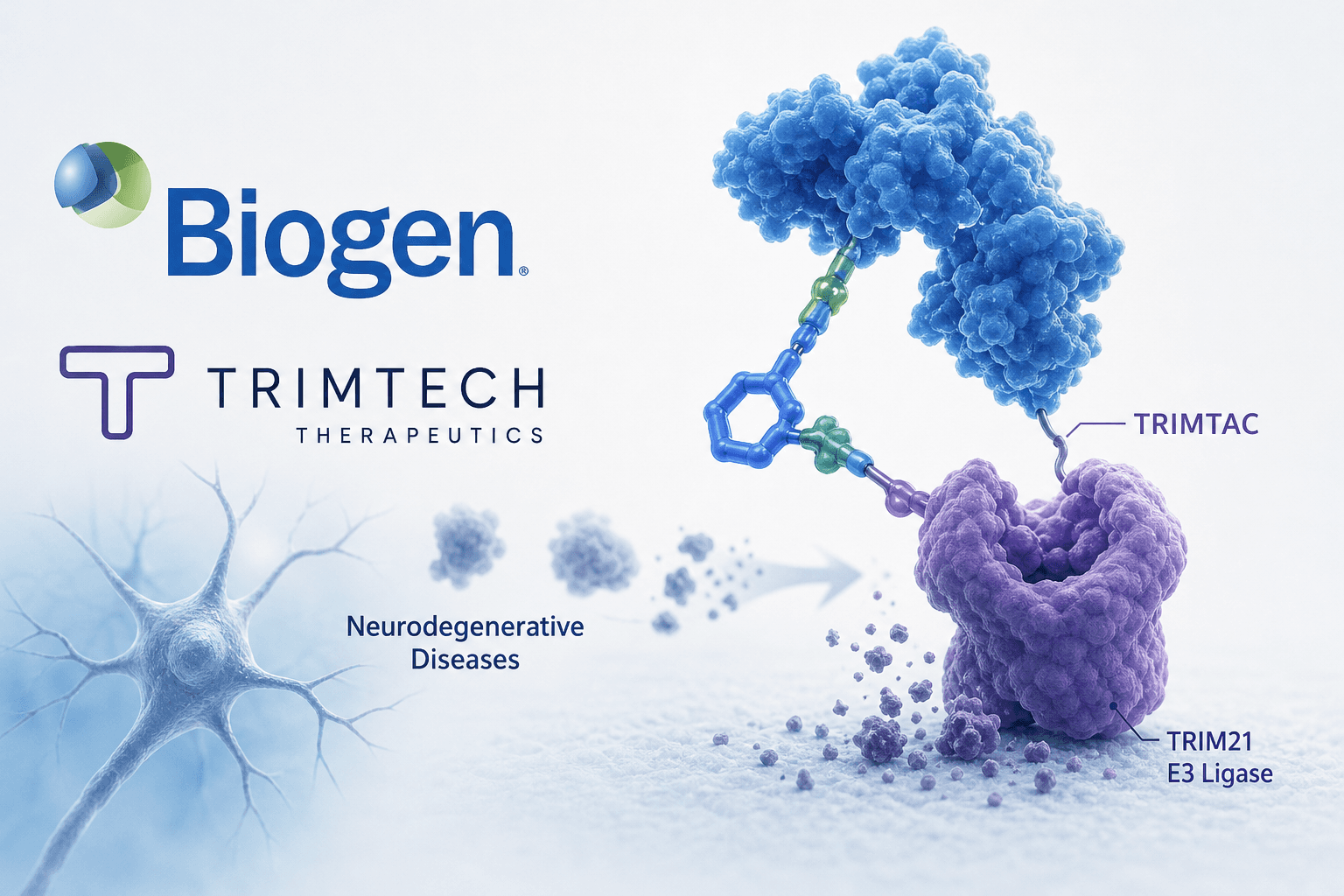
Biogen Invests $411 Million in Neurodegenerative Disease Drug Development
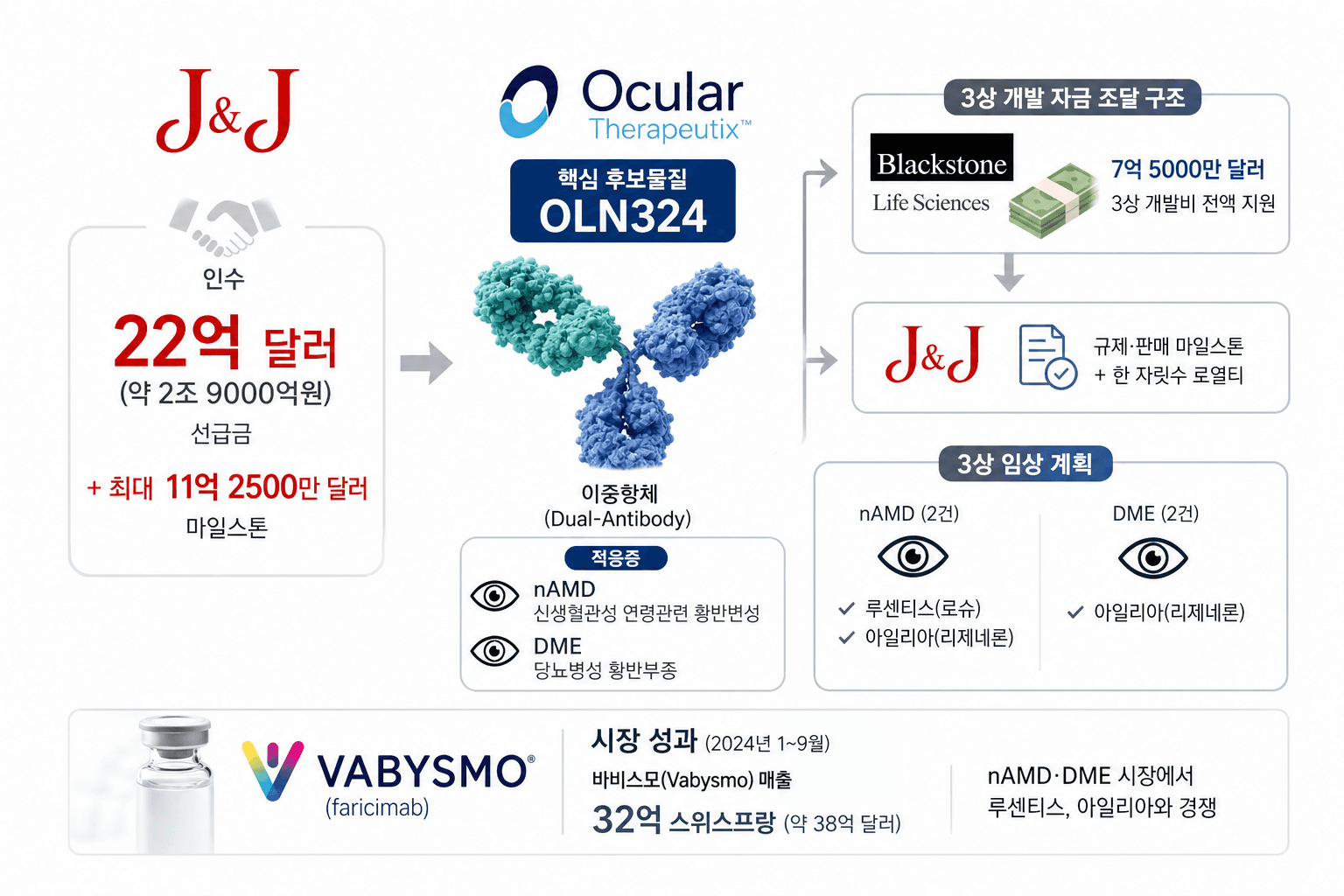
J&J to acquire Olin for $2.9 billion, taking on Roche’s Vabysmo
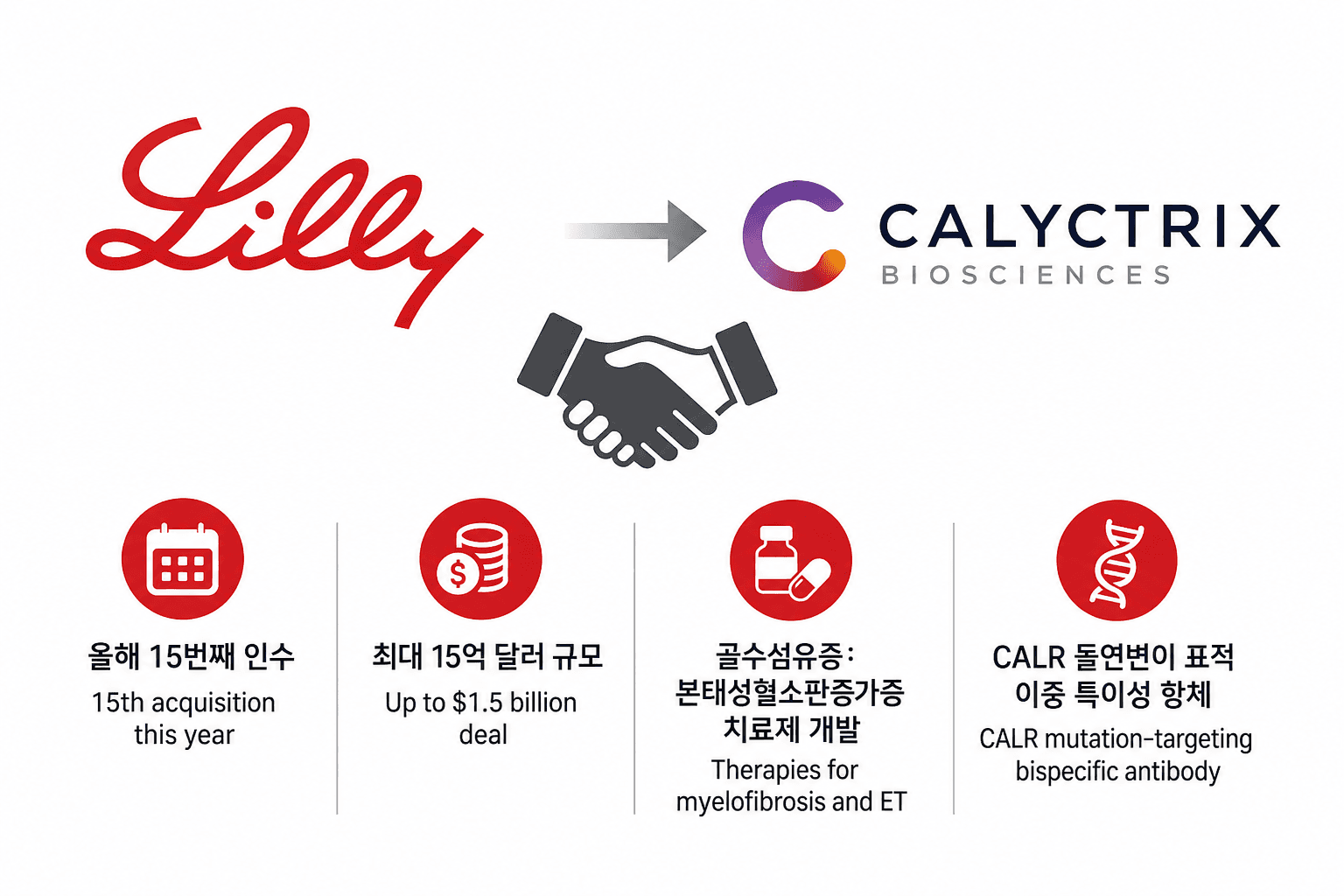
Lilly acquires rare blood cancer drug startup for up to $1.5 billion, its 15th deal this year
Seawolf Secures $100 Million and Signs $1.2 Billion DNA Therapeutics Deal With Sanofi