Science
Recorded a diagnostic accuracy AUC of 0.954 in a clinical trial Significantly improved the diagnostic performance of junior radiologists

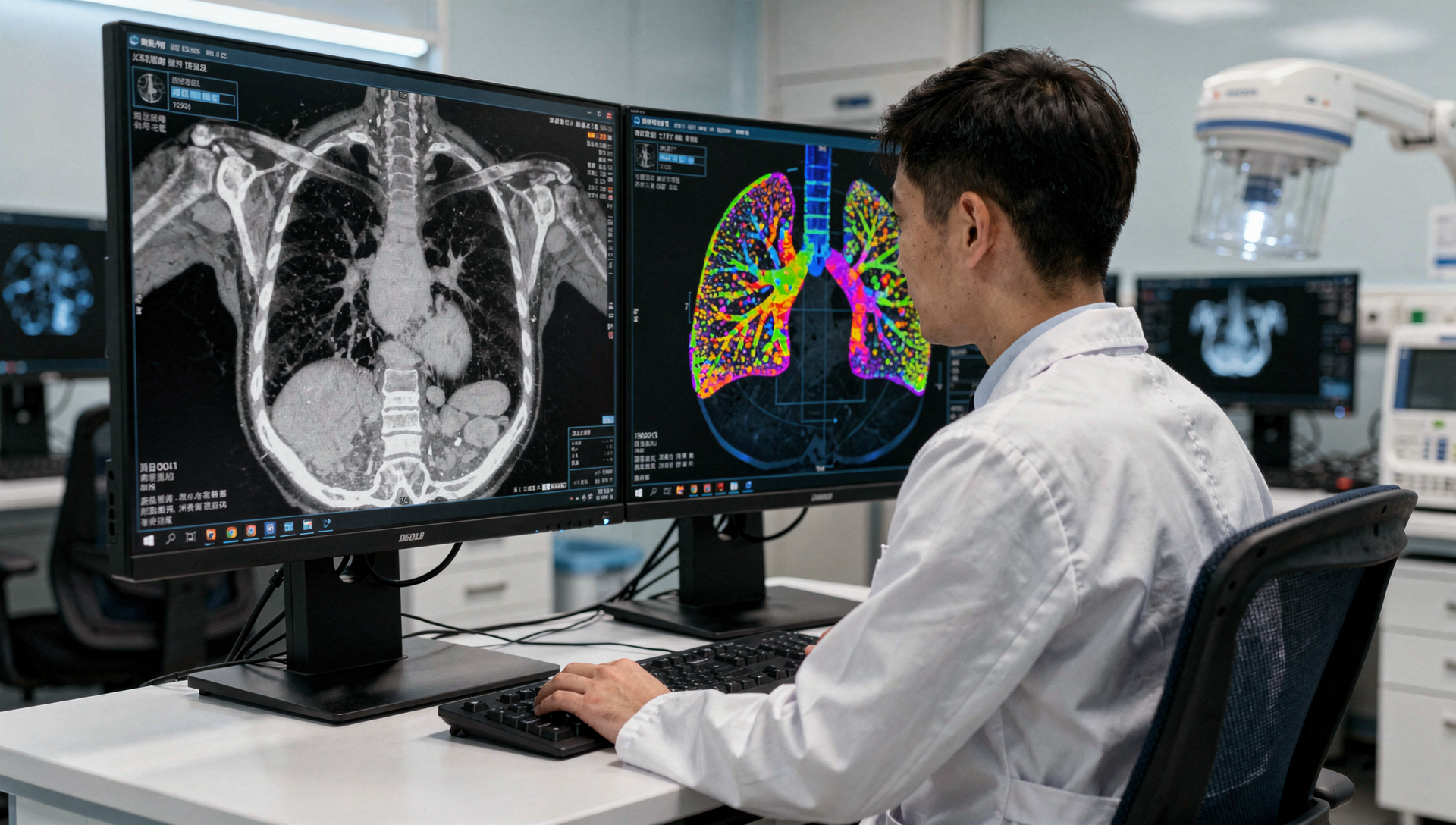
The artificial intelligence (AI) model DeepFAN, developed by researchers at the University of Hong Kong, diagnoses whether lung nodules are malignant with high accuracy and has received approval from Chinese regulators.
According to the biotech news outlet BioOn on May 8 local time, a research team led by Professor Yi Zhou of the University of Hong Kong and Professor Hong Nan of Peking University People’s Hospital published these findings in the international journal Nature Cancer on April 22.
DeepFAN is a transformer-based AI model that recorded an area under the curve (AUC) of 0.939 in internal testing. In a clinical trial involving 400 patients at three medical institutions, it recorded an AUC of 0.954, demonstrating high diagnostic accuracy.
In this clinical validation, DeepFAN significantly improved the diagnostic performance of 12 junior radiologists with 1 to 5 years of experience. Physicians assisted by the AI showed significant improvements in diagnostic accuracy, sensitivity and specificity.
Interobserver diagnostic agreement also improved from a “fair” level to a “moderate” level. The research team said DeepFAN could help raise the diagnostic performance of junior physicians and reduce diagnostic disparities between hospitals.
DeepFAN combines a vision transformer (ViT), which captures global features, with a 3D residual neural network (3D ResNet), which extracts local features. This structure enables simultaneous analysis of the overall context and subtle morphology of lung nodules, improving diagnostic accuracy.
DeepFAN is the first AI-assisted diagnostic product for lung nodules in China to receive a Class III medical device approval from the National Medical Products Administration (NMPA) after undergoing rigorous clinical trials.
BIOBOOK TEAM
biobookmedia@biobook.co.kr
“Reaching the brain with a subcutaneous injection” … Arrowhead cuts Alzheimer’s tau protein by 73%
Verastem Sets a “New Standard” for KRAS-Targeted Drug, With 80% Survival Rate in Pancreatic Cancer

Celltrion Wins South Korean Approval for Phase 3 Trial of Zymfentra in Rheumatoid Arthritis

AptaBio Reports Safety in Phase 2 Trial of Contrast-Induced Kidney Injury Treatment

Oral GLP-1 diabetes drug improves blood sugar and weight in Chinese phase 3 trial
Google Deploys ‘Gemini 4 Argon’ in Drug Development, Boosting Molecular Computation Speed by 2.3-Fold



