
Science
First PARP inhibitor approved for hormone-sensitive metastatic prostate cancer Clinical trial found a 52% reduction in the risk of radiographic progression or death

Pfizer’s targeted cancer drug Talzenna has expanded its indication to an earlier stage of prostate cancer.
According to Fierce Pharma on the 26th (local time), the U.S. Food and Drug Administration (FDA) approved Talzenna in combination with Pfizer’s androgen receptor pathway inhibitor (ARPI) Xtandi that day to treat patients with hormone-sensitive metastatic prostate cancer (mHSPC).
The approval covers patients with homologous recombination repair (HRR) gene alterations. Talzenna is the first PARP inhibitor approved for mHSPC.
mHSPC is advanced prostate cancer that has spread beyond the prostate but responds to hormone-blocking therapy. According to Pfizer, about 1 in 4 patients has an HRR alteration, and 50% to 65% progress to metastatic castration-resistant prostate cancer (mCRPC) within 2 years despite receiving existing treatments.
The Talzenna-Xtandi combination was first approved in 2023 for HRR-altered mCRPC. The latest decision expands its use to an earlier stage of treatment.
Neeraj Agarwal, co-director of the Prostate Cancer Program at the Harvard Cancer Consortium and principal investigator of the TALAPRO-3 trial, said, “This approval is an important advance for patients with newly diagnosed metastatic prostate cancer with HRR alterations, who have more aggressive disease, a poorer prognosis and limited treatment options.”
In the TALAPRO-3 trial, the Talzenna-Xtandi combination reduced the risk of radiographic progression or death by 52% compared with placebo plus Xtandi. That exceeded Pfizer’s prespecified target of a 37% reduction.
However, the FDA said overall survival data are not yet mature. In terms of safety, 51% of patients in the Talzenna-Xtandi combination group experienced grade 3 or higher anemia, compared with 3% in the control group.
Meanwhile, Pfizer sought to expand the indication to patients with mCRPC regardless of HRR status in mid-2025, but the effort was derailed by unanimous opposition from an FDA advisory committee. Analysts at RBC Capital Markets said the mHSPC expansion would have a minimal impact on Pfizer’s results but would be “a win for patients.”
BIOBOOK TEAM
biobookmedia@biobook.co.kr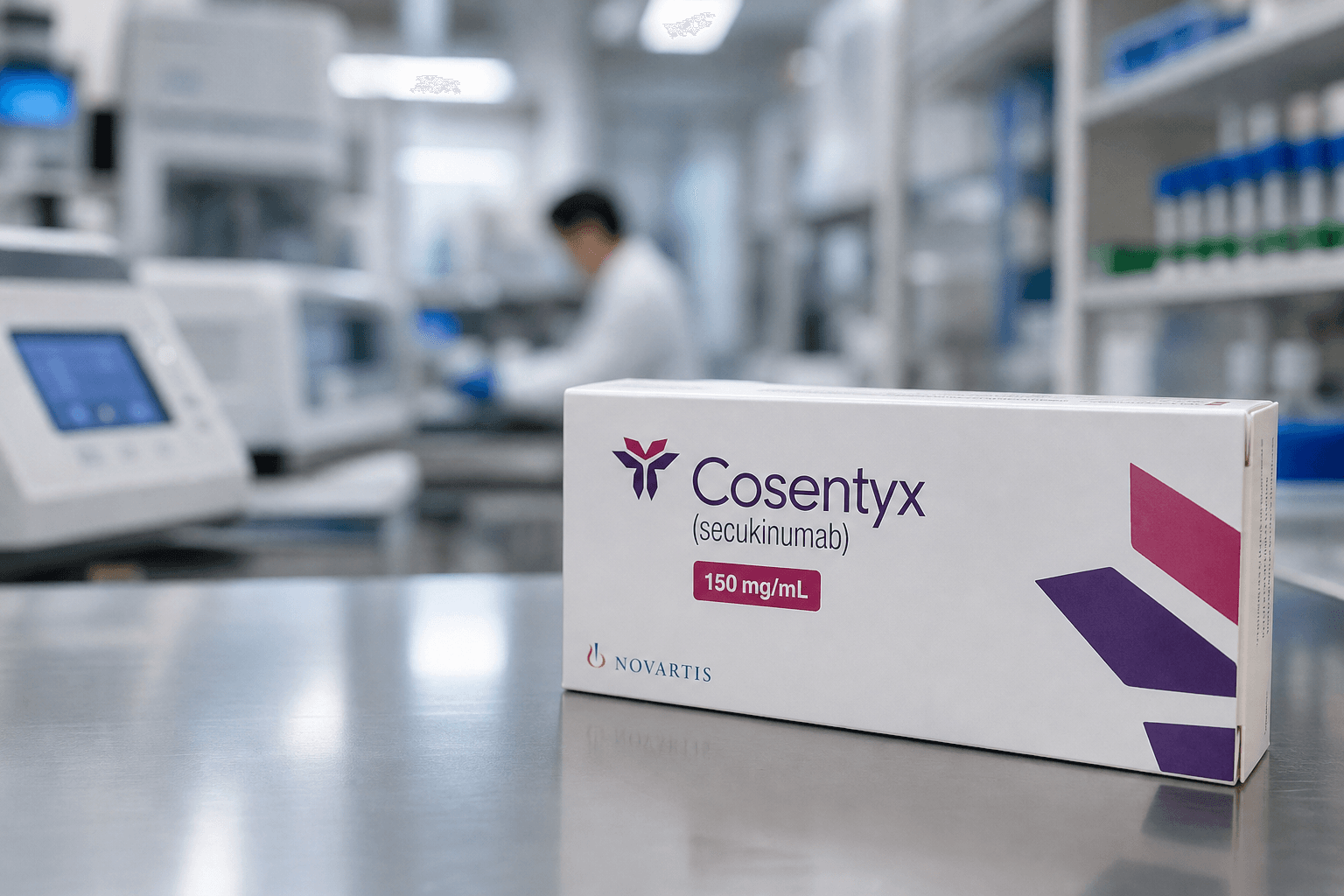
Novartis’ Cosentyx approved for 11th indication, becoming first treatment for polymyalgia rheumatica

Oral IL-23-targeting psoriasis drug icotrokinra approved in Brazil; one tablet daily

Aribio’s Oral Alzheimer’s Drug Meets Trial Goal in Monotherapy Group, Slowing Progression by 31%

SELLAS Leukemia Vaccine Extends Survival by 9 Months, Meets Phase 3 Endpoint

Korean Drugmakers Race to Develop Obesity Treatments That Preserve Muscle During Weight Loss
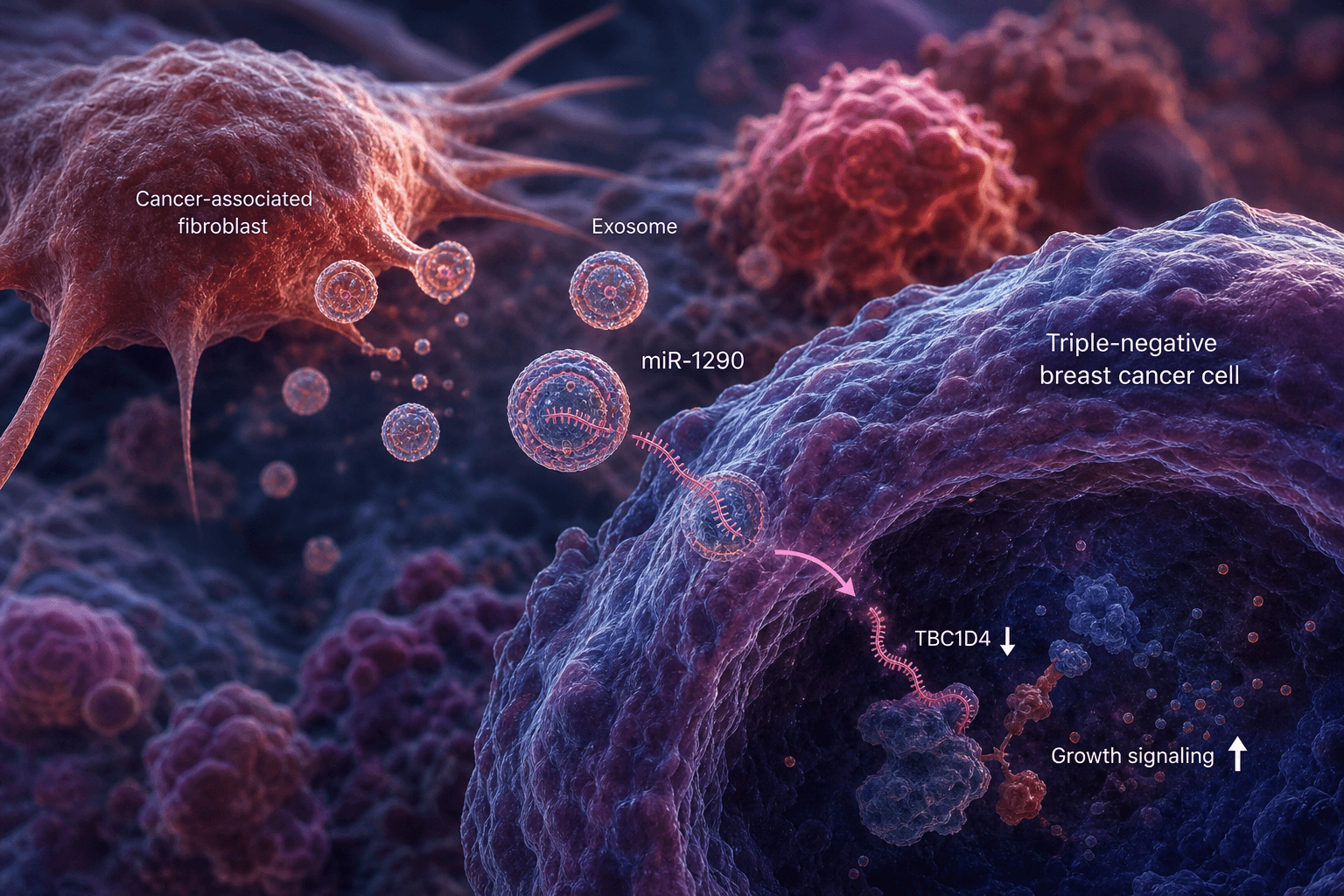
Growth pathway identified in ‘difficult-to-treat’ triple-negative breast cancer, raising potential to repurpose existing drugs


