
Science
Patient died of septic pneumonia 44 days after infusion Novartis also halted CAR T development because of adverse events

Bristol Myers Squibb (BMS) disclosed that a patient who received its CAR T therapy in a multiple sclerosis (MS) clinical trial died and said it intends to resume the study.
According to Fierce Biotech on the 24th (local time), BMS announced interim results from a phase 1 trial of its autologous CD19-targeted CAR T-cell therapy zola-cel (zolacaptagene autoleucel), reporting that one patient died of septic pneumonia.
The patient died 44 days after the infusion, one day after receiving high-dose cyclophosphamide. BMS said the patient experienced “late-onset, non-ICANS motor symptoms that did not resolve with intermittent corticosteroids and intravenous immunoglobulin treatment.”
BMS added that no other deaths had been reported among the 190 patients who received the therapy in autoimmune disease trials.
Linell Hoch, head of cell therapy at BMS, told Fierce Biotech in an interview that the patient received the therapy before enrollment was paused and that the death occurred “well after the pause.” She emphasized that “this death is in no way related to the enrollment pause.”
BMS paused patient enrollment in its autoimmune disease trials in August, citing “transient and reversible inflammatory reactions.” Hoch described the decision as one made “out of an abundance of caution.”
The BREAKFREE-2 study, results of which were announced, included 66 patients with MS whose disease had progressed or disability had worsened despite prior treatment. All 60 patients who received the second dose remained off disease-modifying therapies through the data cutoff.
On a secondary efficacy endpoint, disability progression was stable or improved in 92% of patients with progressive MS. Hoch said, “This is something no one could have dreamed of a few years ago,” adding, “But a grade 5 (death) event weighs heavily on us.”
In terms of safety, 42.4% of patients experienced cytokine release syndrome (CRS). Of these, 36.4% had grade 1 and 6.1% had grade 2 CRS, and all cases resolved within a median of 2 days.
One case of immune effector cell-associated neurotoxicity syndrome (ICANS) was grade 4. It occurred in a patient with progressive MS, was managed with corticosteroids and the anti-inflammatory drug anakinra, and resolved in 4 days.
Hoch said, “Now that we have identified the root cause of the deviation from the trend, we want to resume the zola-cel trial as before,” adding, “We are working with health authorities to resume it.”
BMS is not the only company whose CAR T development has been disrupted by adverse events. Novartis also temporarily halted development of its autologous CD19 CAR T therapy rap-cel (rapcabtagene autoleucel) for autoimmune diseases this summer. The move followed the deaths of three patients from severe immune effector cell-associated hemophagocytic syndrome complications.
BIOBOOK TEAM
biobookmedia@biobook.co.kr
Novartis’ Cosentyx approved for 11th indication, becoming first treatment for polymyalgia rheumatica
Oral IL-23-targeting psoriasis drug icotrokinra approved in Brazil; one tablet daily

Aribio’s Oral Alzheimer’s Drug Meets Trial Goal in Monotherapy Group, Slowing Progression by 31%

SELLAS Leukemia Vaccine Extends Survival by 9 Months, Meets Phase 3 Endpoint

Korean Drugmakers Race to Develop Obesity Treatments That Preserve Muscle During Weight Loss
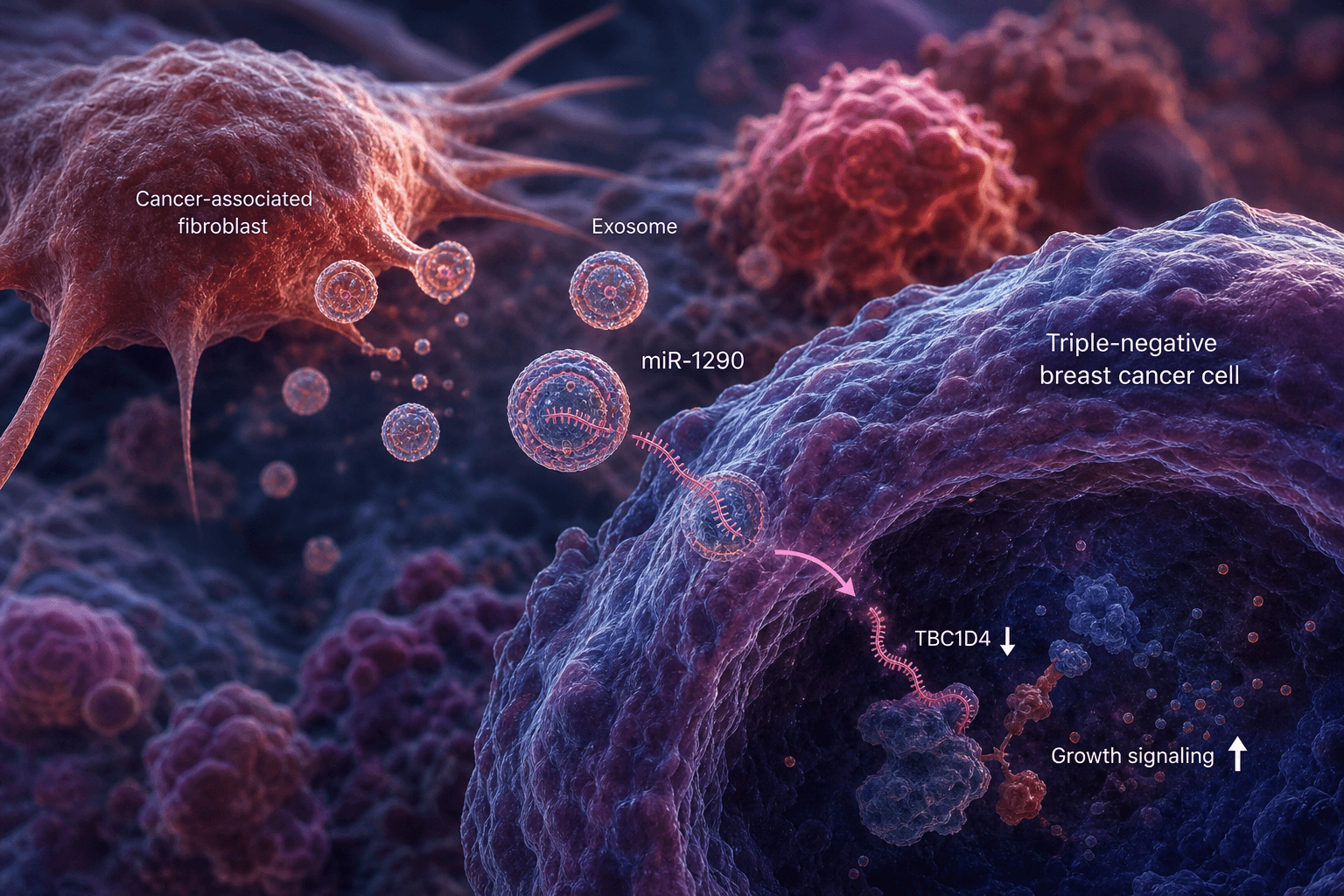
Growth pathway identified in ‘difficult-to-treat’ triple-negative breast cancer, raising potential to repurpose existing drugs


