Science
U.S. researchers identify nucleosome disassembly mechanism for the first time Findings point to potential new treatments that could reduce toxicity from existing PARP inhibitors

A new function of the DNA damage repair enzyme PARP1 has been identified for the first time: disassembling nucleosomes to open a pathway for repair.
According to Azer Life Science on the 26th (local time), researchers at St. Jude Children’s Research Hospital found that PARP1 asymmetrically disassembles nucleosomes at sites of DNA damage. The findings were published that day in the journal Molecular Cell.
PARP1 is an enzyme that acts as a “first responder,” detecting DNA damage and sending signals to initiate repair. Its two functions in damage detection and signal transmission were known, but how it overcomes the nucleosome barrier had not been established.
Through biochemical and cellular experiments, the researchers observed that PARP1 asymmetrically ejects two histone proteins next to the damaged site. As a result, the nucleosome, which consists of eight histones, becomes a six-histone “hexasome,” partially opening its structure. The researchers said the hexasome serves as a hub that recruits repair proteins.
Hai Dao, an associate professor in the Department of Chemical Biology and Therapeutics at St. Jude Children’s Research Hospital, said, “This study has identified a third role for PARP1,” adding that “the enzyme disassembles nucleosomes, increasing accessibility so other repair mechanisms can function.”
The researchers also found that the C-terminal tail of histone H2A regulates PARP1-mediated nucleosome disassembly at the molecular level. Removing this tail increased sensitivity to DNA damage treatments, raising the possibility that this remodeling activity itself contributes to disease development.
“Current PARP inhibitors broadly block catalytic activity, which can lead to toxic effects,” Dao said. “This opens up the possibility of studying treatments that block only specific enzyme activities, such as remodeling activity.”
BIOBOOK TEAM
biobookmedia@biobook.co.kr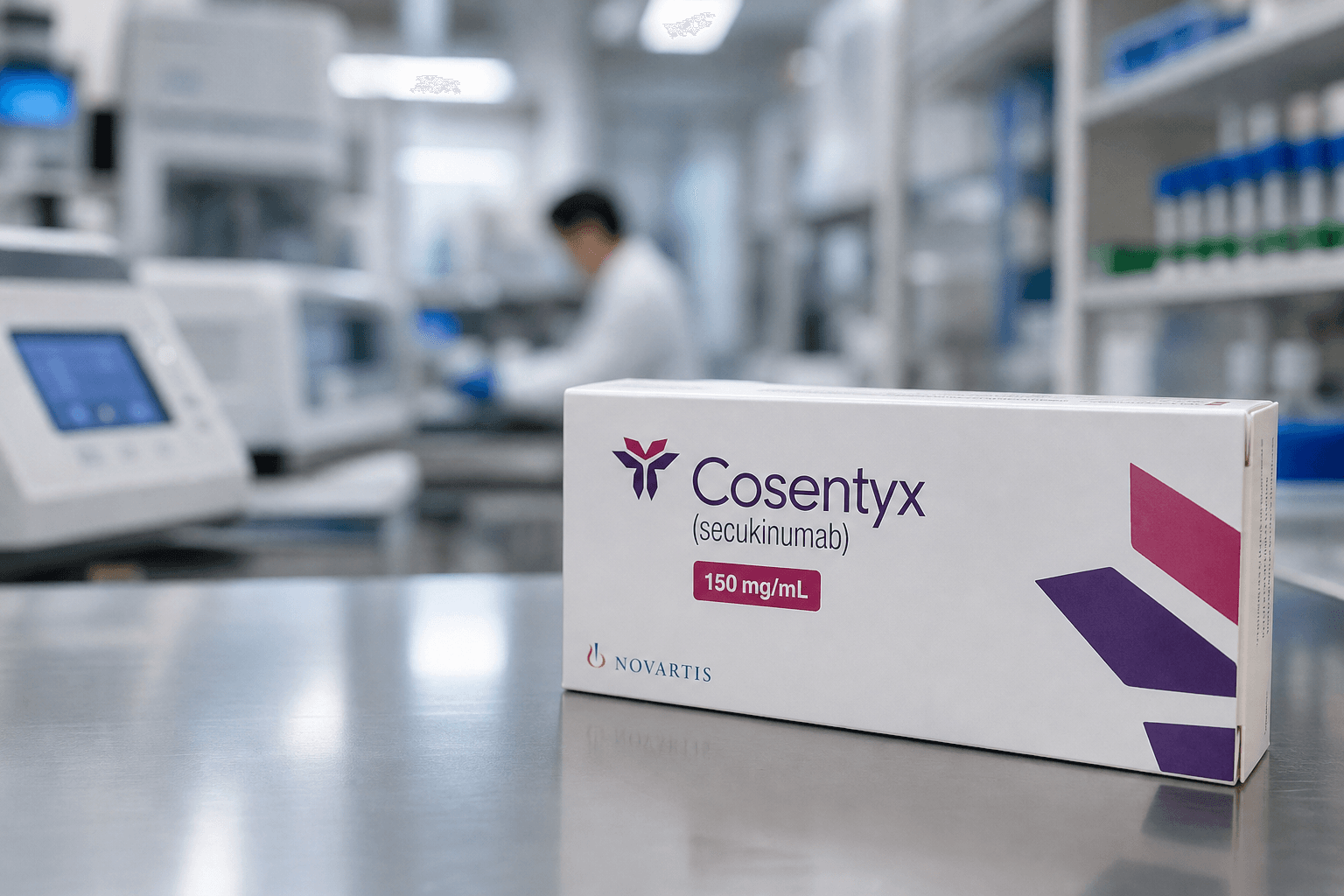
Novartis’ Cosentyx approved for 11th indication, becoming first treatment for polymyalgia rheumatica

Oral IL-23-targeting psoriasis drug icotrokinra approved in Brazil; one tablet daily

Aribio’s Oral Alzheimer’s Drug Meets Trial Goal in Monotherapy Group, Slowing Progression by 31%

SELLAS Leukemia Vaccine Extends Survival by 9 Months, Meets Phase 3 Endpoint

Korean Drugmakers Race to Develop Obesity Treatments That Preserve Muscle During Weight Loss
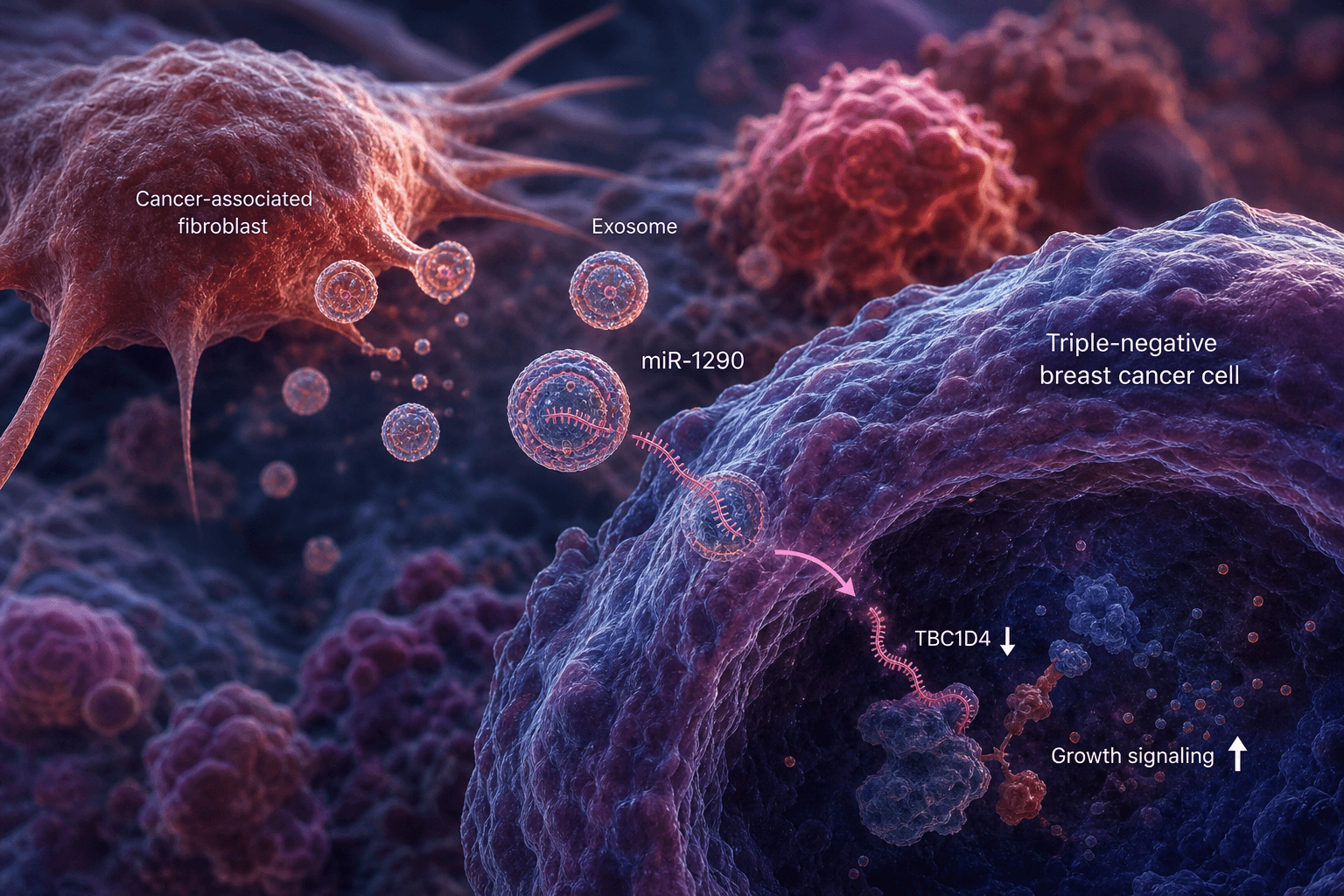
Growth pathway identified in ‘difficult-to-treat’ triple-negative breast cancer, raising potential to repurpose existing drugs