
Science
Loss of an immune-regulatory gene triggers inflammatory vascular lesions and atherosclerosis A variant common among people of African ancestry is linked to early cardiovascular disease

A study found that loss of the immune-regulatory gene GIMAP6 can rapidly drive inflammatory vascular lesions and atherosclerosis even in the absence of high cholesterol.
According to BioOn on the 26th (local time), a U.S. research team found in mouse experiments that removing the GIMAP6 gene caused inflammatory lesions in blood vessels and accelerated atherosclerosis even without high cholesterol.
These vascular abnormalities led to myocardial ischemia, myocardial infarction and heart failure, ultimately causing premature death in the mice.
The research team explained that GIMAP6 deficiency first disrupts the vascular endothelial barrier and then activates the “mitochondrial reactive oxygen species–PPARγ–CD36” cascade. This process increases lipid uptake, lowers the threshold for foam cell formation and prompts the release of inflammatory factors, including IL-6, MCP-1 and TNF.
Atherosclerotic cardiovascular disease (ASCVD) is the leading cause of death worldwide. Elevated low-density lipoprotein (LDL) cholesterol is considered a key risk factor, and lipid-lowering therapies such as statins have been used as standard treatment.
However, a substantial number of patients experience cardiovascular events despite intensive lipid lowering, prompting concerns that a separate mechanism unrelated to high cholesterol may exist.
The research team also found that loss-of-function variants in GIMAP6 in humans are associated with redox imbalance in monocytes, increased CD36-mediated lipid uptake and early-onset ASCVD.
In particular, the V65I allele, which is common among people of African ancestry, was found to be associated with these risks. The findings suggest that GIMAP6 variants may be a genetic factor that increases cardiovascular risk in some populations and offer a new clue for precision medicine.
The study was published in the international journal Cell.
BIOBOOK TEAM
biobookmedia@biobook.co.kr
Novartis’ Cosentyx approved for 11th indication, becoming first treatment for polymyalgia rheumatica

Oral IL-23-targeting psoriasis drug icotrokinra approved in Brazil; one tablet daily

Aribio’s Oral Alzheimer’s Drug Meets Trial Goal in Monotherapy Group, Slowing Progression by 31%

SELLAS Leukemia Vaccine Extends Survival by 9 Months, Meets Phase 3 Endpoint

Korean Drugmakers Race to Develop Obesity Treatments That Preserve Muscle During Weight Loss
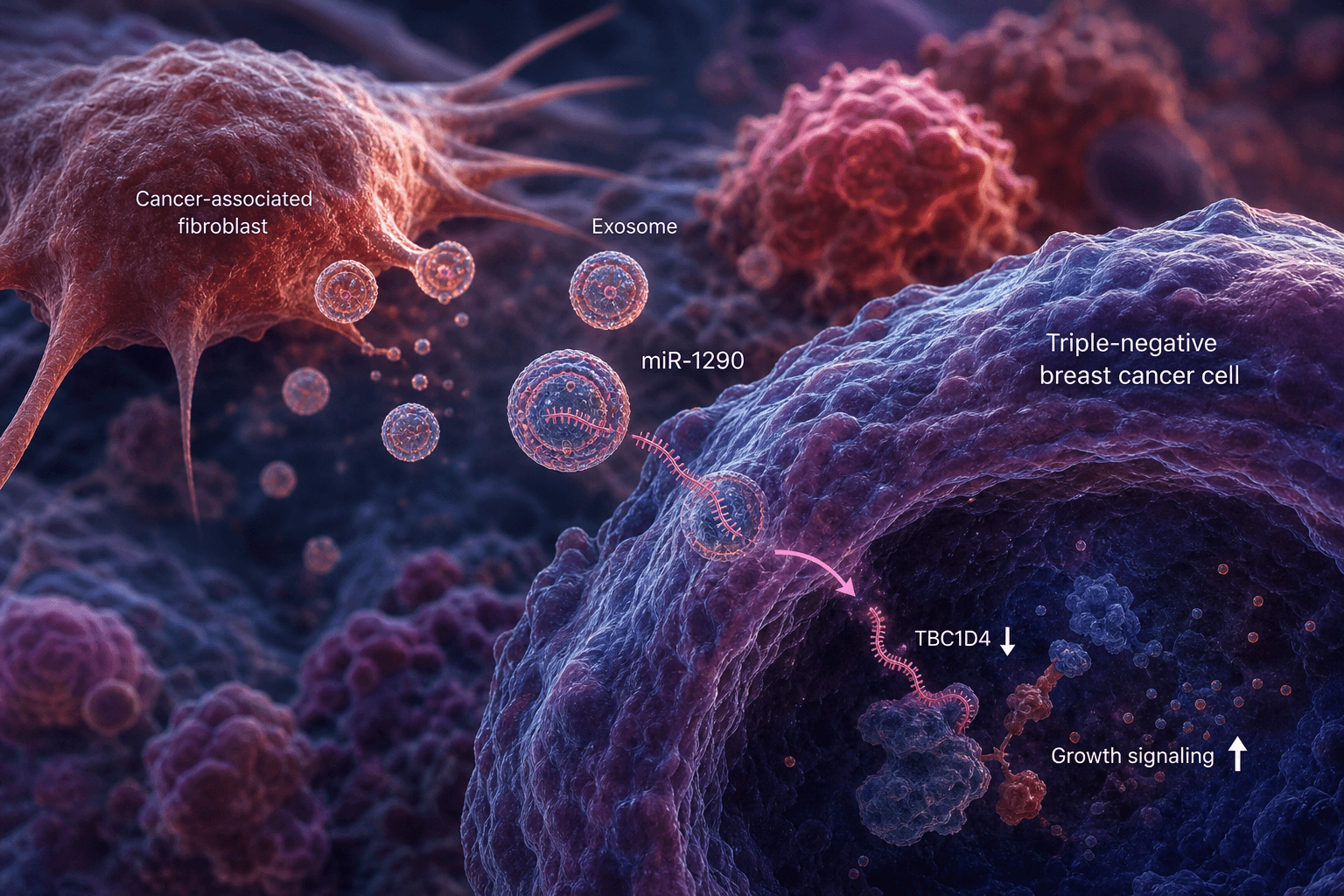
Growth pathway identified in ‘difficult-to-treat’ triple-negative breast cancer, raising potential to repurpose existing drugs


