
Science
Model “Pinal,” with 16 billion parameters, developed Designing an H protein increased products from carbon dioxide fixation 1.7-fold

Chinese researchers have developed an artificial intelligence (AI)-based model that designs proteins with desired functions from a single sentence, publishing their findings in the international journal Nature.
According to Nature on the 21st (local time), researchers Yuan Fajie and Liu Jianming of Westlake University (西湖大学), Lu Hongyuan of the Hong Kong University of Science and Technology (Guangzhou), and Si Tong of the Shenzhen Institute of Advanced Technology, Chinese Academy of Sciences, unveiled a foundation model called “Pinal” that designs candidate proteins from natural-language descriptions alone.
Pinal has 16 billion parameters and was trained on 1.7 billion synthetic protein-text pairs. It directly converts natural-language descriptions of functions into the sequences and structures of candidate proteins.
Existing design models have used natural proteins as starting points for optimization or required manually converting functional goals into constraints at the geometric or sequence level. The researchers said these technical barriers have made protein design less accessible and limited the functional space that can be explored.
In computational evaluations, candidate proteins generated by Pinal showed high predicted foldability, alignment with functional descriptions and sequence diversity. The researchers applied the model to four design tasks—fluorescent proteins, polyethylene terephthalate (PET) hydrolases, alcohol dehydrogenases and metabolic H proteins—and experimentally confirmed the expected function in all cases.
In particular, an H protein designed without iterative experimental optimization increased product concentrations 1.7-fold compared with the natural E. coli H protein in a multienzyme carbon dioxide (CO₂) fixation pathway.
The researchers said the results support using natural language as an advanced interface for protein design and enable exploration with less reliance on manually specifying structural and sequence constraints.
Biobook Team
biobookmedia@biobook.co.kr
Novartis’ Cosentyx approved for 11th indication, becoming first treatment for polymyalgia rheumatica

Oral IL-23-targeting psoriasis drug icotrokinra approved in Brazil; one tablet daily

Aribio’s Oral Alzheimer’s Drug Meets Trial Goal in Monotherapy Group, Slowing Progression by 31%

SELLAS Leukemia Vaccine Extends Survival by 9 Months, Meets Phase 3 Endpoint

Korean Drugmakers Race to Develop Obesity Treatments That Preserve Muscle During Weight Loss
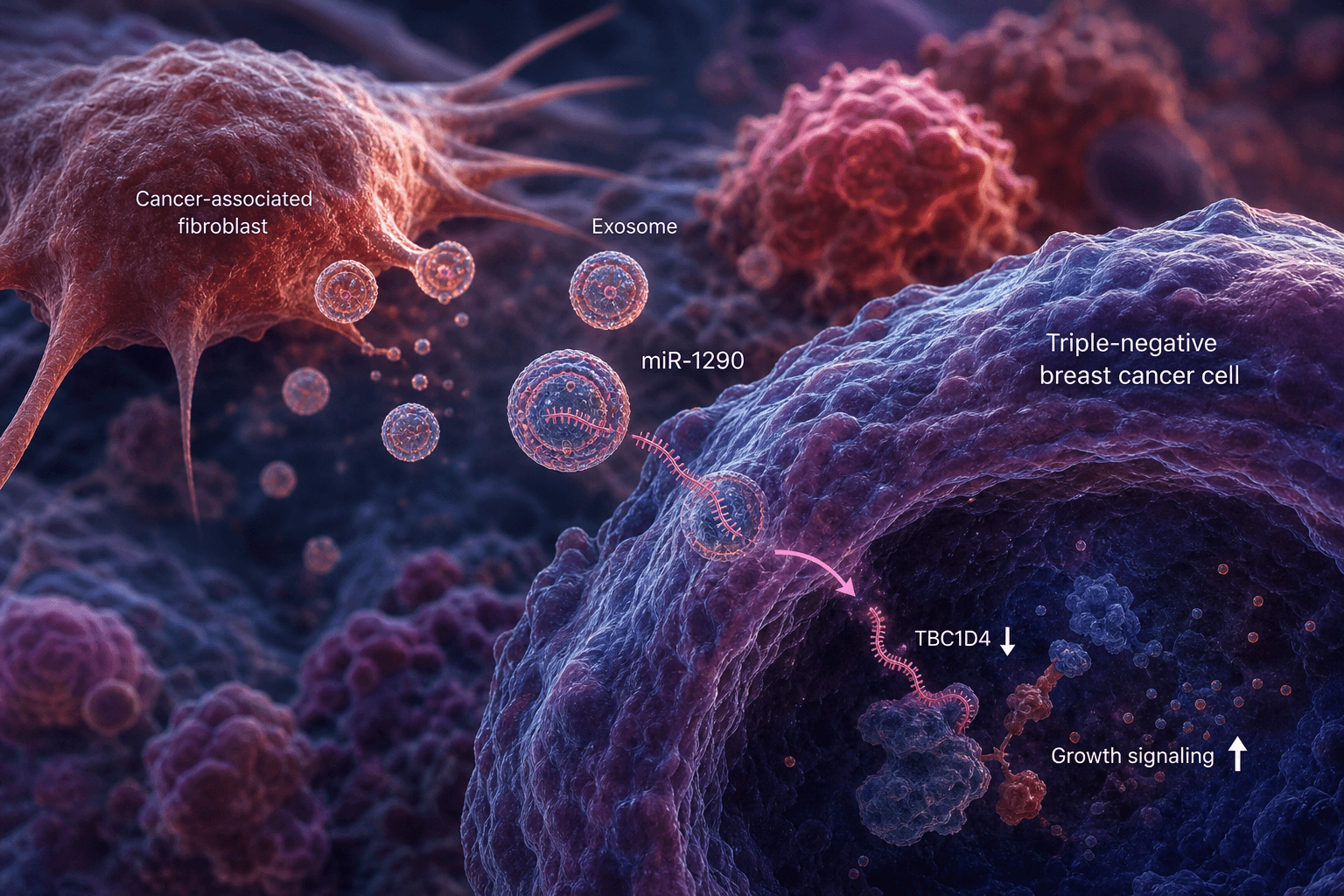
Growth pathway identified in ‘difficult-to-treat’ triple-negative breast cancer, raising potential to repurpose existing drugs


