Science
Phase 2 lung cancer trial reports 36.7% objective response rate and 90% disease control rate Responses regardless of PD-L1 expression level; seven Phase 3 trials underway

Fumitamitug, a cancer drug being co-developed by Bristol Myers Squibb (BMS) and BioNTech, recorded an objective response rate of 36.7% in a Phase 2 lung cancer trial.
According to U.S. biotech publication Fierce Biotech on the 26th, BMS Chief Medical Officer (CMO) Christian Masaccesi described the drug’s latest data as “highly promising.”
The companies presented results from the global Phase 2 ROSETTA-LUNG-107 study in patients with metastatic non-small cell lung cancer at the European Society for Medical Oncology (ESMO) annual meeting in Madrid, Spain.
The trial administered fumitamig with docetaxel to patients whose disease had progressed after first-line immunotherapy and chemotherapy, regardless of PD-L1 expression level.
Among 30 evaluable patients, the confirmed objective response rate (ORR) was 36.7%, and the disease control rate (DCR) was 90%. In the full group of 50 treated patients, median progression-free survival (PFS) was 6.9 months, and the 6-month progression-free survival rate was 63.3%.
The companies said responses occurred regardless of PD-L1 expression level and that the disease control rate exceeded 80% in all subgroups.
Masaccesi told Fierce Biotech that fumitamig “could expand indications and patient populations because it can not only replace PD-1 inhibitors but also work in tumors such as colorectal cancer, for which PD-1 inhibitors are not approved.”
He added, “Based on these data, we are considering conducting pivotal trials with BioNTech in the second-line setting as well.”
In terms of safety, 18% of patients experienced fumitamig-related adverse events of Grade 3 or higher, and four discontinued treatment. Vascular endothelial growth factor (VEGF)-related adverse events were reported in 26% of patients, including two Grade 3 events. There were no fumitamig-related deaths or dose-limiting toxicities.
Masaccesi described the safety profile as “manageable,” noting that bleeding occurred in only 16% of patients and was limited to Grade 1 or 2.
This ESMO presentation is the third global Phase 2 result from BMS and BioNTech highlighting fumitamig’s potential, following last year’s small cell lung cancer trial and a study in China.
The companies have already advanced fumitamig into seven Phase 3 trials in lung, breast, colorectal and gastric cancers, among others, and are conducting more than 10 combination trials, including combinations with antibody-drug conjugates (ADCs).
BioNTech secured full rights to fumitamig in 2024 by acquiring its Chinese partner Biotheus for more than $800 million, and the following year brought BMS on as a co-development and commercialization partner in a deal worth up to $11.1 billion.
BIOBOOK TEAM
biobookmedia@biobook.co.kr
Novartis’ Cosentyx approved for 11th indication, becoming first treatment for polymyalgia rheumatica

Oral IL-23-targeting psoriasis drug icotrokinra approved in Brazil; one tablet daily

Aribio’s Oral Alzheimer’s Drug Meets Trial Goal in Monotherapy Group, Slowing Progression by 31%

SELLAS Leukemia Vaccine Extends Survival by 9 Months, Meets Phase 3 Endpoint

Korean Drugmakers Race to Develop Obesity Treatments That Preserve Muscle During Weight Loss
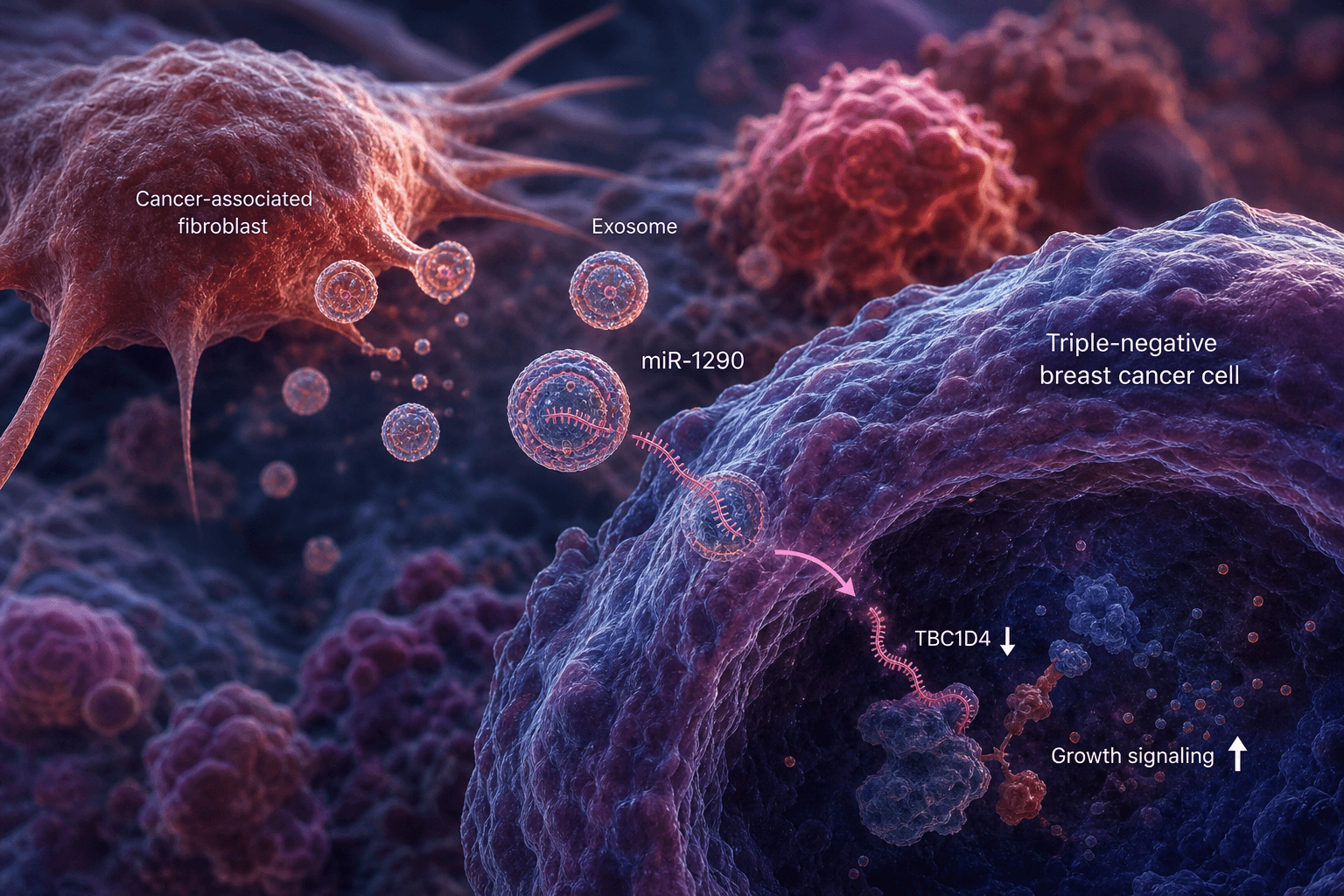
Growth pathway identified in ‘difficult-to-treat’ triple-negative breast cancer, raising potential to repurpose existing drugs