
Science
Early dengue trial data released; efficacy versus placebo remains unknown Symptom-based treatment without confirmed diagnosis is expected to face regulatory challenges

Hyundai Bioscience has released early clinical data on dengue fever for Xafty (CP-COV03), a candidate broad-spectrum antiviral, but commercialization will require overcoming the limitations of blinded data and unprecedented regulatory hurdles for approval of symptom-based treatment.
Hyundai Bioscience said on Oct. 26 that it presented the development strategy and status of DEN-201, an integrated phase 2/3 trial of Xafty for dengue and similar infections, at IDWeek 2026, an infectious disease conference held in Washington, D.C., from Oct. 21 to 24.
The presentation was delivered by Davey Smith, a professor at the University of California San Diego (UC San Diego) School of Medicine. Smith previously served as international protocol chair for ACTIV-2, a U.S. government-led COVID-19 response program, and described Xafty as a potential first-in-class host-targeted oral antiviral.
DEN-201, approved by Vietnam’s Ministry of Health, is enrolling and dosing patients at the National Hospital for Tropical Diseases in Hanoi and Tien Giang General Hospital. The initial blinded pooled safety analysis presented at the conference reported no serious adverse events, severe adverse events or deaths across the investigational drug and placebo groups. Adverse events assessed as related to the investigational drug were limited to mild or moderate gastrointestinal symptoms.
However, the presentation was only an interim safety tally under blinded conditions, without separating the treatment and placebo groups. Efficacy measures central to drug approval, including reductions in viral load and duration of fever, can be assessed only after unblinding. In the past, numerous antiviral candidates have passed initial safety evaluations but failed to demonstrate significant treatment effects versus control after unblinding, leading to the discontinuation of development.
The company’s proposed strategy of early intervention based on symptoms is also likely to encounter difficulties in regulatory discussions. Noting that the cause of febrile viral infections such as dengue can be difficult to distinguish based on early symptoms alone, Hyundai Bioscience is proposing a broad-spectrum treatment strategy in which Xafty is administered based on fever symptoms, even before a confirmed diagnosis. For phase 3, the company is considering a basket design that would also include Zika, influenza and COVID-19.
However, major regulatory agencies worldwide have applied conservative standards to broadly administering drugs to patient groups whose causative pathogen has not been identified. To obtain an indication for treatment without confirming infection with a specific virus, a drug would need to statistically demonstrate consistent reductions in viral load versus placebo and safety across groups infected with a range of viruses. This would make the clinical design more complex than that of a treatment targeting a single virus and drive up development costs and timelines as the number of eligible patients increases.
Whether improved drug absorption of niclosamide, Xafty’s active ingredient, leads to sustained therapeutic drug concentrations in the human body also remains to be verified. Niclosamide has been used as an anthelmintic for many years and has an established safety profile, but its extremely low intestinal absorption has prevented its use to treat systemic viral infections. Hyundai Bioscience says its proprietary drug-delivery technology improves absorption, but future data will need to show whether blood concentrations reliably reach the therapeutic range needed to inhibit viral replication when the drug is administered to large patient populations.
Ultimately, what was established at the conference was only a starting point: that the trial is underway and initial blinded safety data have been obtained. Whether unblinding of the Vietnam phase 2 trial shows significant antiviral efficacy versus placebo, and whether the concept of early symptom-based treatment can meet regulatory approval standards in different countries, are expected to be the key tests for Xafty’s commercialization.
BIOBOOK TEAM
biobookmedia@biobook.co.kr
Novartis’ Cosentyx approved for 11th indication, becoming first treatment for polymyalgia rheumatica

Oral IL-23-targeting psoriasis drug icotrokinra approved in Brazil; one tablet daily

Aribio’s Oral Alzheimer’s Drug Meets Trial Goal in Monotherapy Group, Slowing Progression by 31%

SELLAS Leukemia Vaccine Extends Survival by 9 Months, Meets Phase 3 Endpoint

Korean Drugmakers Race to Develop Obesity Treatments That Preserve Muscle During Weight Loss
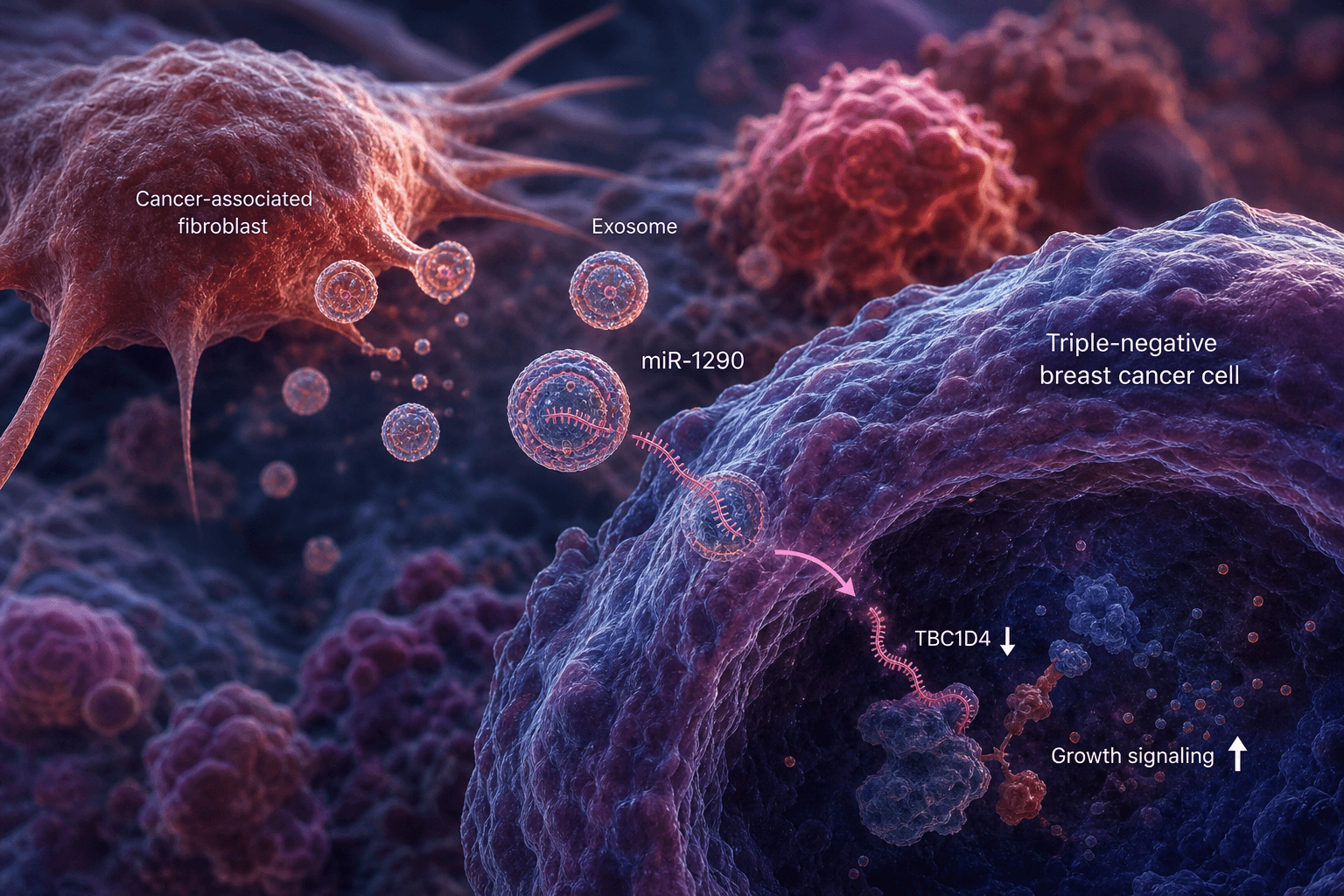
Growth pathway identified in ‘difficult-to-treat’ triple-negative breast cancer, raising potential to repurpose existing drugs


