
Science
Structural weakness found in ecDNA; blocking Polθ causes it to disappear New target may help overcome resistance in hard-to-treat cancers

A study found that “bad DNA” found in aggressive cancers has a structural weakness and can be destabilized by blocking a single repair protein.
According to Aju Life Science on the 23rd (local time), researchers at Memorial Sloan Kettering Cancer Center (MSK) in the United States found that ecDNA, circular DNA located outside chromosomes, breaks easily at repetitive sequences.
The study was published on the 23rd in the international journal Nature.
ecDNA consists of circular DNA fragments located outside normal chromosomes and promotes amplification of cancer-causing genes. It is found in about one in six human cancers and is known to be associated with tumor growth, treatment resistance and lower survival rates.
The researchers found that regions of “TA repeats,” in which T and A alternate in the DNA code, fold into cross-shaped structures and become particularly vulnerable, requiring cancer cells to repair them quickly.
Cancer cells were found to activate a two-part defense system: the repair protein “polymerase theta (Polθ)” fills in broken regions, while another protein, “FANCM,” prevents breaks from occurring in the first place.
When the researchers blocked Polθ with an experimental inhibitor, ecDNA became unstable, accumulated damage and gradually disappeared from cancer cells. The same effect was observed in several cancer cell lines, including prostate, gastric and colorectal cancer, while cells without ecDNA were not significantly affected.
Analysis of large-scale human tumor sequencing data also showed that TA repeat regions where breaks concentrate coincide with sites where DNA rearrangements commonly occur in tumors from patients with various cancer types.
The researchers said several Polθ inhibitors already in clinical development could be used to overcome resistance in hard-to-treat cancers. They also found that combining Polθ inhibition with FANCM depletion produced a stronger effect.
Dr. Agnel Sfeir, who led the study, said, “I was surprised to find that ecDNA is inherently fragile,” adding, “We may be able to use cancer cells’ reliance on repair as a treatment strategy.”
Biobook Team
biobookmedia@biobook.co.kr
Novartis’ Cosentyx approved for 11th indication, becoming first treatment for polymyalgia rheumatica

Oral IL-23-targeting psoriasis drug icotrokinra approved in Brazil; one tablet daily

Aribio’s Oral Alzheimer’s Drug Meets Trial Goal in Monotherapy Group, Slowing Progression by 31%

SELLAS Leukemia Vaccine Extends Survival by 9 Months, Meets Phase 3 Endpoint

Korean Drugmakers Race to Develop Obesity Treatments That Preserve Muscle During Weight Loss
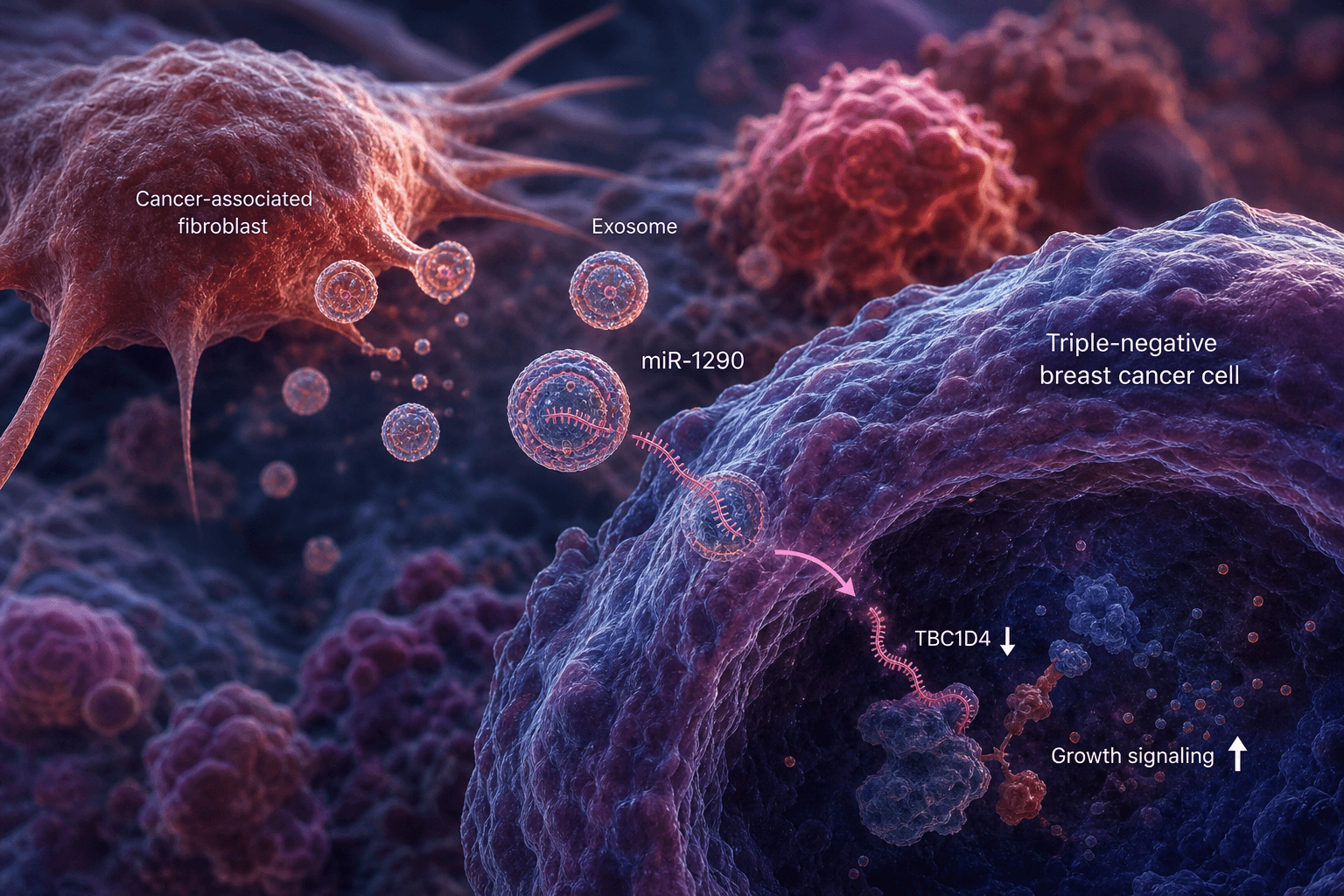
Growth pathway identified in ‘difficult-to-treat’ triple-negative breast cancer, raising potential to repurpose existing drugs


