
Science
FDA requests updated safety and efficacy data Decision deadline pushed to March 2027

The U.S. Food and Drug Administration (FDA) has delayed its decision on Exelixis’ oral kinase inhibitor zanzalintinib in combination with Roche’s Tecentriq.
According to a report published Dec. 12 by Fierce Biotech, which cited information from Dec. 11, the FDA requested an extension of the decision deadline while it awaits updated safety and efficacy data related to the combination therapy’s application to treat patients with metastatic colorectal cancer (mCRC).
Exelixis disclosed the development in a filing with the U.S. Securities and Exchange Commission (SEC). The decision deadline has therefore been pushed from Dec. 3, 2026, to March 2027.
The application had already been on uncertain footing after zanzalintinib failed to meet the primary endpoint of overall survival in a subgroup of a phase 3 clinical trial in June.
At the time, analysts at Leerink Partners and William Blair said the FDA was still likely to approve the drug as a third-line treatment because the trial had already met a different primary endpoint, overall survival in the full study population, regardless of liver metastasis status.
Zanzalintinib drew interest as a combination therapy with Roche’s blockbuster anti-PD-L1 drug Tecentriq after showing significantly longer overall survival than Bayer’s gastrointestinal cancer drug Stivarga in a phase 3 head-to-head trial last year. However, enthusiasm waned early this year after it failed to meet a primary endpoint.
In a memo to investors, William Blair analysts said the risk of rejection for zanzalintinib plus Tecentriq remained low, citing the generally promising phase 3 data. They said, “It is difficult to speculate about the reason the FDA requested updated safety and efficacy data.”
Zanzalintinib is an oral, multitargeted kinase inhibitor that binds to and inhibits several receptor tyrosine kinases (RTKs) that are abnormally regulated in cancer.
Exelixis is conducting several phase 3 trials of zanzalintinib, including STELLAR-311 in neuroendocrine tumors and STELLAR-304 in non-clear cell renal cell carcinoma. Results from STELLAR-304 are expected in the second half of this year.
Analysts forecast that zanzalintinib could generate $4.5 billion in U.S. sales in genitourinary and gastrointestinal cancers. If it secures an indication for metastatic colorectal cancer, it will compete with Stivarga, Amgen’s Lumakras and Takeda’s Fruzaqla.
Biobook Team
biobookmedia@biobook.co.kr
Novartis’ Cosentyx approved for 11th indication, becoming first treatment for polymyalgia rheumatica

Oral IL-23-targeting psoriasis drug icotrokinra approved in Brazil; one tablet daily

Aribio’s Oral Alzheimer’s Drug Meets Trial Goal in Monotherapy Group, Slowing Progression by 31%

SELLAS Leukemia Vaccine Extends Survival by 9 Months, Meets Phase 3 Endpoint

Korean Drugmakers Race to Develop Obesity Treatments That Preserve Muscle During Weight Loss
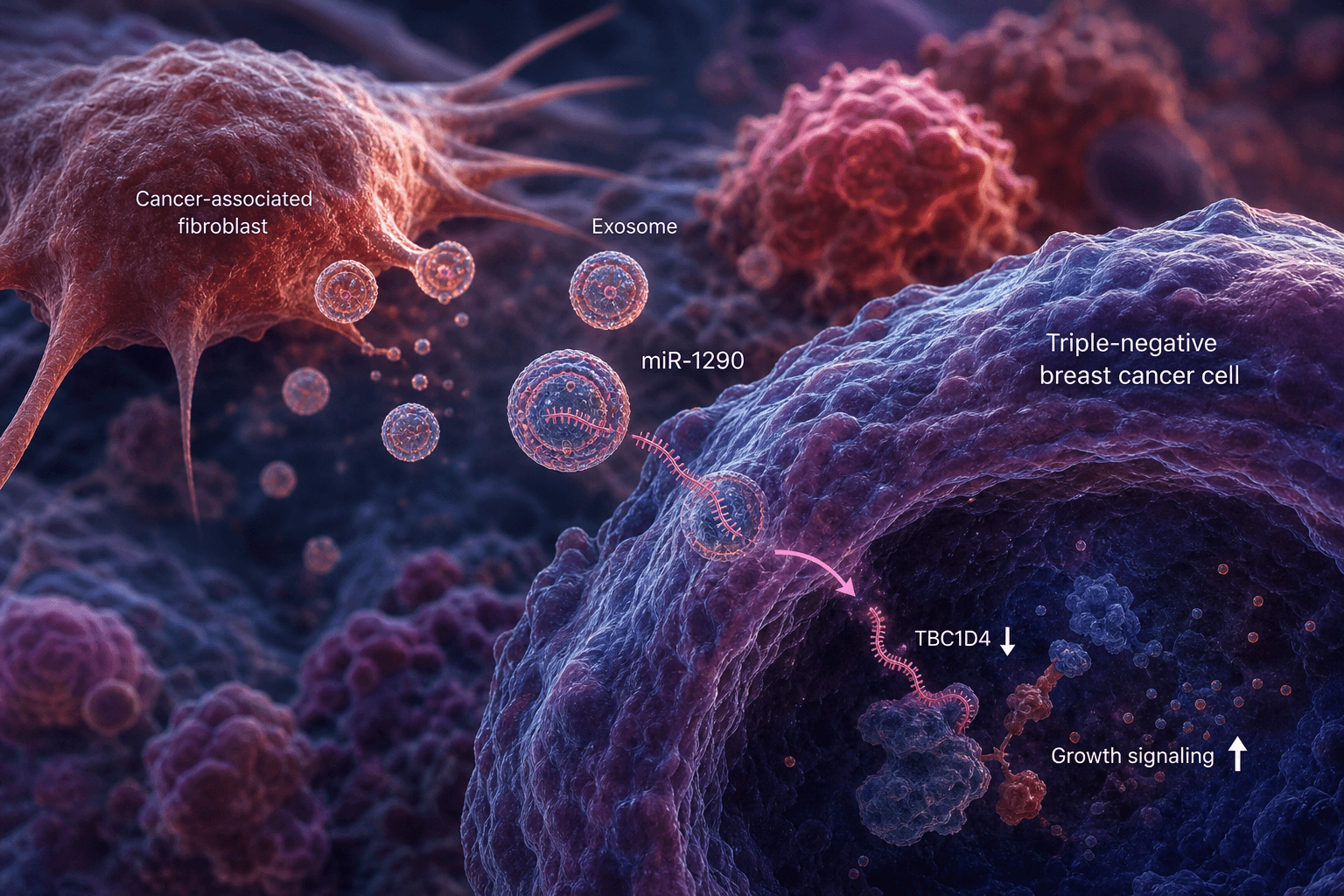
Growth pathway identified in ‘difficult-to-treat’ triple-negative breast cancer, raising potential to repurpose existing drugs


