
Science
International team including Tokyo Institute of Science’s ELSI unveils protein language model CLSS Sequences and structures mapped together, offering a way to investigate evolutionary patterns

An artificial intelligence (AI) model has been developed to integrate protein amino acid sequences and three-dimensional structures.
According to Azure Life Science on the 11th local time, an international research team including the Earth-Life Science Institute (ELSI) at the Tokyo Institute of Science developed CLSS, a protein language model that incorporates information about protein sequences and structures simultaneously.
The study was led by Rachel Kolodny, a professor at the University of Haifa in Israel; Guy Yanai, a doctoral student; Nir Ben-Tal, a professor at Tel Aviv University; Gabriel Axel, a graduate student; and Liam Longo, an associate professor at ELSI.
The findings were published in the Proceedings of the National Academy of Sciences (PNAS).
Thousands of protein families perform nearly every function inside the cells of living organisms. Scientists have long worked to determine how these proteins are related and where they originated.
Protein language models convert proteins into numerical representations called “embeddings.” Like postal codes, embeddings place proteins with similar properties close together, making it possible to create a “map of the protein world.”
However, proteins carry information in both their amino acid sequences and their three-dimensional structures, and the relationship between the two is not straightforward. Proteins with unrelated sequences can have similar structures, while the same sequence can produce entirely different structures.
Most existing models have treated sequences and structures separately. Models that use both types of information have also been limited in their ability to place a protein’s sequence and structure at the same location on the map.
The researchers designed CLSS using a contrastive learning approach so that the sequence and structure representations of a given protein would have similar embeddings. As a result, a protein occupies a similar position on the map whether represented by its sequence or its structure.
Compared with other recent protein language models, CLSS successfully integrated sequence and structure information into a single map. It also accurately reproduced relationships in the expert classification systems ECOD and CATH, which were not provided during training.
In particular, CLSS showed that short sequence fragments can be meaningfully positioned alongside complete sequences and structures. Protein fragments have been repeatedly reused and rearranged during evolution and may have been components of early protein domains, making them important clues for evolutionary research.
The map generated by CLSS also revealed broader patterns. Proteins that bind organic cofactors clustered in certain regions, while metal-binding proteins were more widely distributed.
Associate Professor Longo said, “It provides a way to look at sequence and structure simultaneously rather than treating them as separate worlds. What is especially exciting is that this map could be used to uncover large-scale evolutionary patterns that are difficult to find using existing approaches.”
The researchers expect that representations integrating sequence and structure will open new possibilities for database searches, protein engineering and reconstruction of evolutionary pathways. They said this could offer another way to explore how the diversity of proteins in living organisms today emerged through about 4 billion years of evolution.
BIOBOOK TEAM
biobookmedia@biobook.co.kr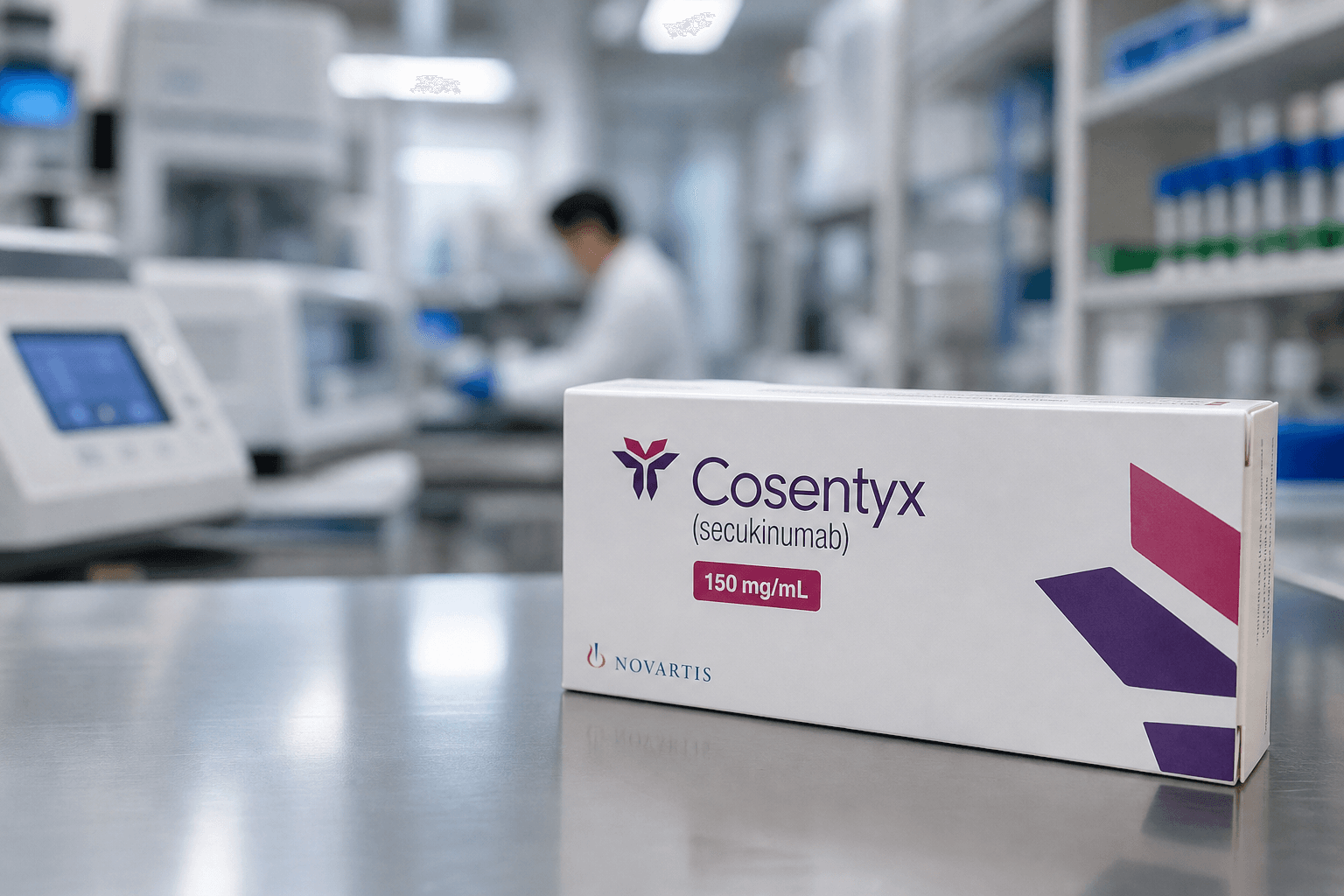
Novartis’ Cosentyx approved for 11th indication, becoming first treatment for polymyalgia rheumatica

Oral IL-23-targeting psoriasis drug icotrokinra approved in Brazil; one tablet daily

Aribio’s Oral Alzheimer’s Drug Meets Trial Goal in Monotherapy Group, Slowing Progression by 31%
SELLAS Leukemia Vaccine Extends Survival by 9 Months, Meets Phase 3 Endpoint

Korean Drugmakers Race to Develop Obesity Treatments That Preserve Muscle During Weight Loss
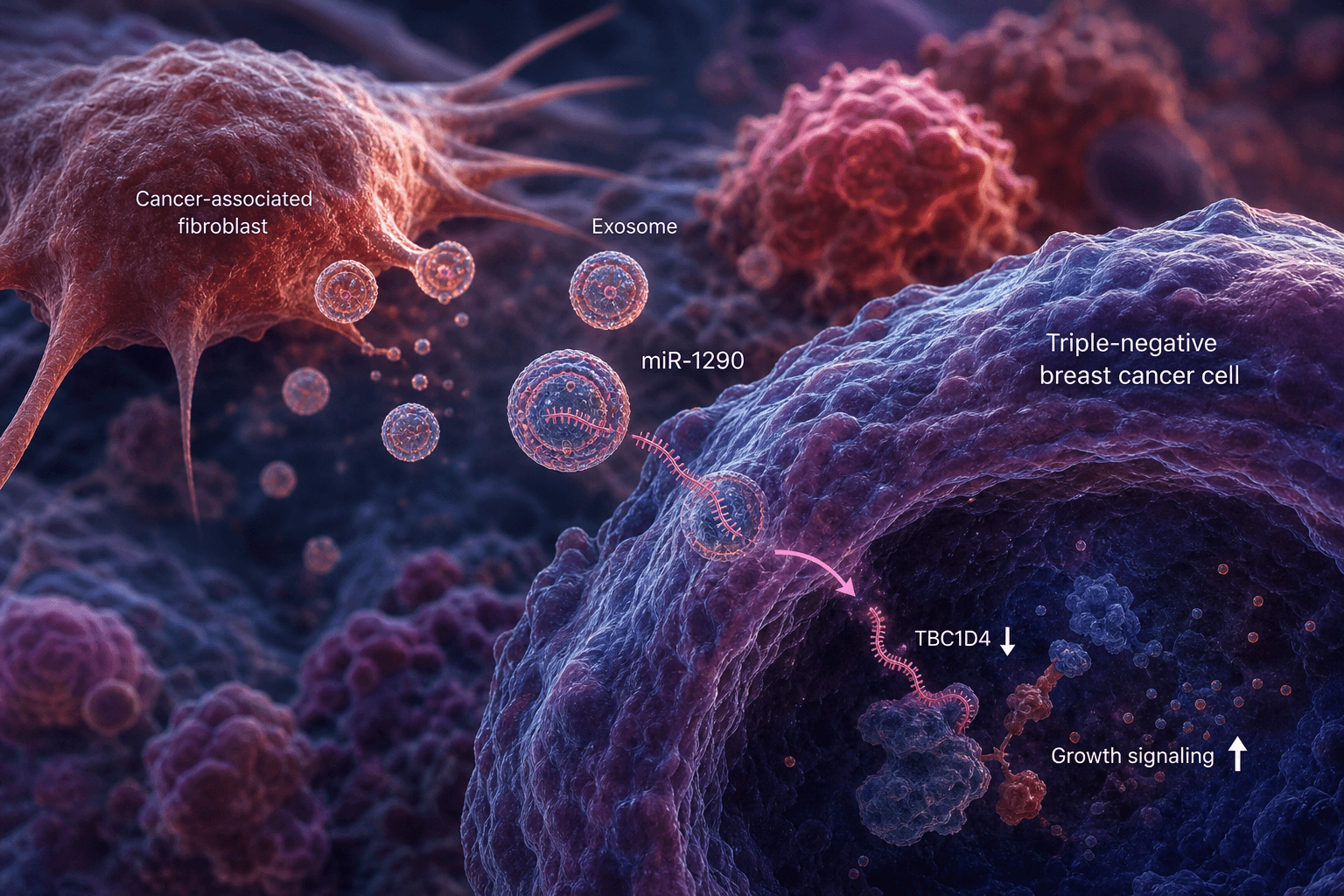
Growth pathway identified in ‘difficult-to-treat’ triple-negative breast cancer, raising potential to repurpose existing drugs


