
Science
PLP-dependent enzyme modifies tRNA… first confirmed AvaS identified in Pseudomonas aeruginosa… opening new avenues for resistance research

A new enzyme that could offer clues to overcoming antibiotic resistance has been discovered for the first time.
According to Azure Life Sciences on the 10th (local time), the Singapore-MIT Alliance for Research and Technology (SMART) Antimicrobial Resistance (AMR) research group, in collaboration with the Massachusetts Institute of Technology (MIT) in the United States and Nanyang Technological University (NTU) in Singapore, identified aminovaleramidine synthase (AvaS).
The enzyme was identified as the first known example of a pyridoxal phosphate (PLP)-dependent enzyme modifying transfer RNA (tRNA). PLP-dependent enzymes had previously been known to be involved only in processes such as amino acid metabolism.
The researchers determined that AvaS is the enzyme that produces a chemical modification called aminovaleramide cytidine (ava2C) in Pseudomonas aeruginosa, which causes pneumonia and sepsis, among other illnesses. ava2C has been observed in several bacteria and plants, but the enzyme that produces it had not been identified.
The researchers discovered AvaS by screening thousands of P. aeruginosa mutants using SMART AMR’s RNA-modification analysis platform based on liquid chromatography-tandem mass spectrometry (LC-MS/MS). ava2C has also been found in Acinetobacter baumannii, Vibrio cholerae and the plant Arabidopsis thaliana.
The results showed that AvaS uses PLP, a vitamin B6 derivative, to convert the existing modification lysidine (k2C) into ava2C. This was the first demonstration that a PLP-dependent enzyme is involved in tRNA modification.
ava2C was also found to change how bacteria read genetic information, enabling them to produce proteins more quickly and efficiently and helping them adapt to metabolic and oxidative stress.
Peter Dedon, co-principal investigator of SMART AMR, said, “The discovery of AvaS has opened a previously unknown chapter in RNA biology and marks an important advance in understanding processes related to antibiotic resistance.”
First author Jingjing Sun, a SMART AMR researcher, said, “We have shown for the first time that a PLP-dependent enzyme can directly modify tRNA, broadening our understanding of RNA-modification chemistry,” adding that the finding “opens the way to developing new strategies to overcome resistant bacteria.”
The researchers plan to investigate how ava2C affects bacterial stress responses and metabolism and to explore ways to disrupt or block this modification. The study was published in Nature Chemical Biology.
BIOBOOK TEAM
biobookmedia@biobook.co.kr
Novartis’ Cosentyx approved for 11th indication, becoming first treatment for polymyalgia rheumatica

Oral IL-23-targeting psoriasis drug icotrokinra approved in Brazil; one tablet daily

Aribio’s Oral Alzheimer’s Drug Meets Trial Goal in Monotherapy Group, Slowing Progression by 31%

SELLAS Leukemia Vaccine Extends Survival by 9 Months, Meets Phase 3 Endpoint

Korean Drugmakers Race to Develop Obesity Treatments That Preserve Muscle During Weight Loss
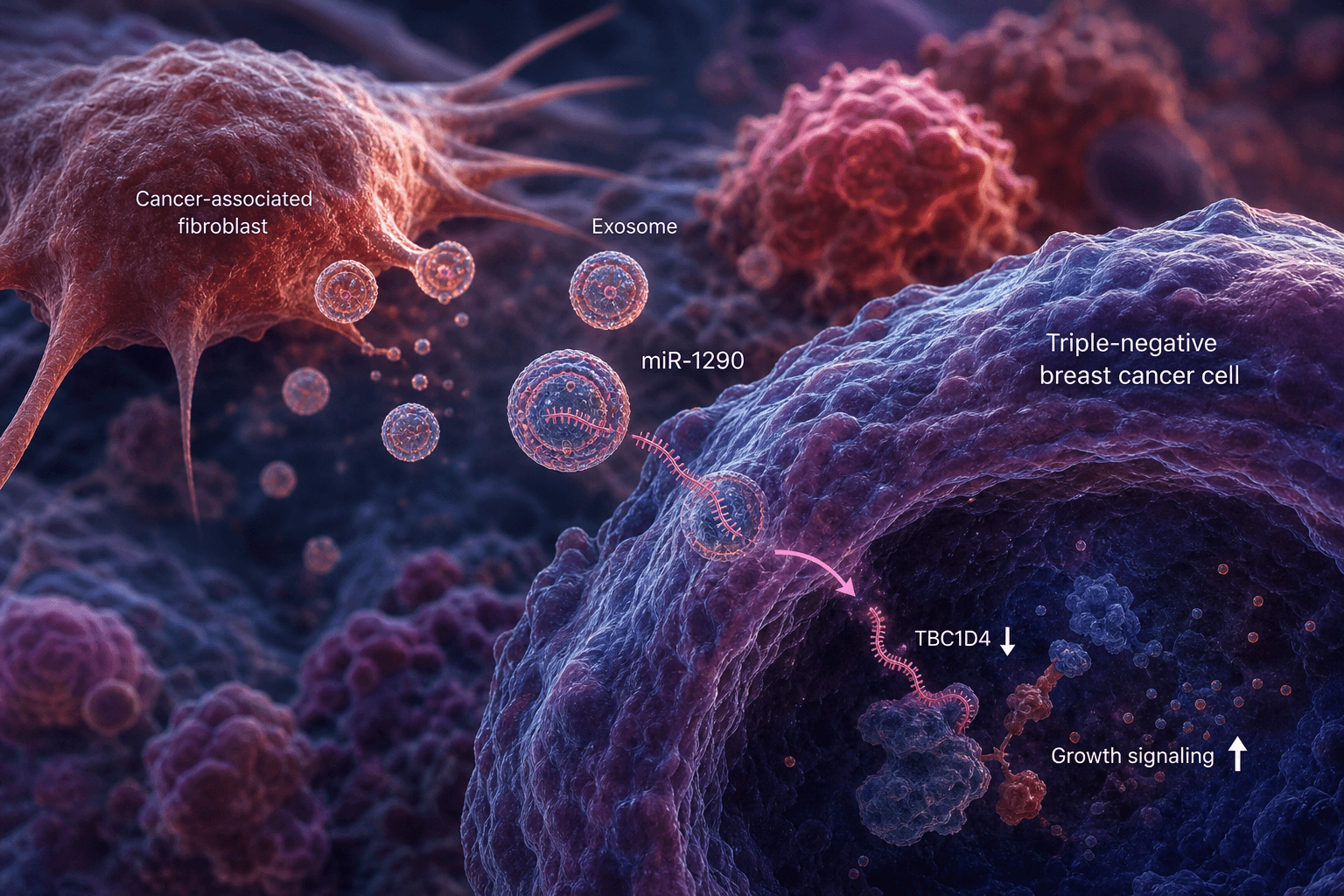
Growth pathway identified in ‘difficult-to-treat’ triple-negative breast cancer, raising potential to repurpose existing drugs


