
Science
UCLA team cuts costs to $5,000 per dose Lowers risk of side effects and shows efficacy in ovarian cancer and melanoma

U.S. researchers have developed a technology that can produce enough solid tumor immunotherapy cells for thousands of people from a single cord blood stem cell. The approach is seen as addressing both the cost and time constraints of personalized production and the risk of side effects from donor cells.
According to the University of California, Los Angeles (UCLA), on the 9th local time, the research team developed a method to mass-produce T cells that attack solid tumors from blood stem cells in donated cord blood. The findings were published in the international journal Cell Reports Medicine.
T-cell receptor (TCR) therapy involves genetically modifying a patient's T cells to precisely attack cancer cells. Existing treatments must be custom-made each time using the patient's own T cells, a process that takes weeks and costs hundreds of millions of won.
Using donor-derived T cells allows for advance manufacturing, but the risk of graft-versus-host disease, in which transplanted immune cells attack healthy tissue, has been considered a limiting factor.
The research team started with cord blood stem cells, which are at an earlier stage than mature T cells. They introduced a receptor gene targeting the NY-ESO-1 protein, found in several solid tumors, at an early stage so that natural receptors would not develop during maturation.
Co-first author Cheon (John) Ju, a graduate student in the training program at the UCLA Broad Stem Cell Research Center, explained, "Stem cells are undifferentiated, with no fixed receptor. When engineered stem cells are differentiated into T cells, virtually all the cells carry the same receptor and attack the same tumor target."
The resulting 'AlloESO-T' cells were also equipped with natural killer cell receptors. This separate detection system senses stress signals displayed on tumor cells, enabling the cells to eliminate cancer cells even if the NY-ESO-1 target disappears or is hidden.
In mouse models of ovarian cancer and melanoma, a single dose of the cells suppressed tumors and extended survival. The administered cells expanded about 100-fold and migrated to tumor sites, while largely sparing healthy organs. By contrast, a comparison group made with mature donor T cells spread to the liver and lungs and caused toxicity.
Co-senior author Yuen Ruidi (Charlie) Li, a postdoctoral researcher in the Yang lab, said, "A small amount of cord blood stem cells can produce trillions of therapeutic cells, enough for thousands of doses, in about 6 weeks. The estimated cost is $5,000 per dose, making it much more accessible than existing treatments."
The research team emphasized that the platform is not limited to a single target. Li said, "Once a receptor for a specific cancer antigen has been validated, it can be added to this system to make T cells specialized for that target. We want to share the platform itself."
The research team has already been working with the UCLA Health Center for Advanced Biotherapeutics to produce clinical-grade cells and expects that using the same manufacturing system could accelerate the entry of AlloESO-T into clinical trials.
Biobook Team
biobookmedia@biobook.co.kr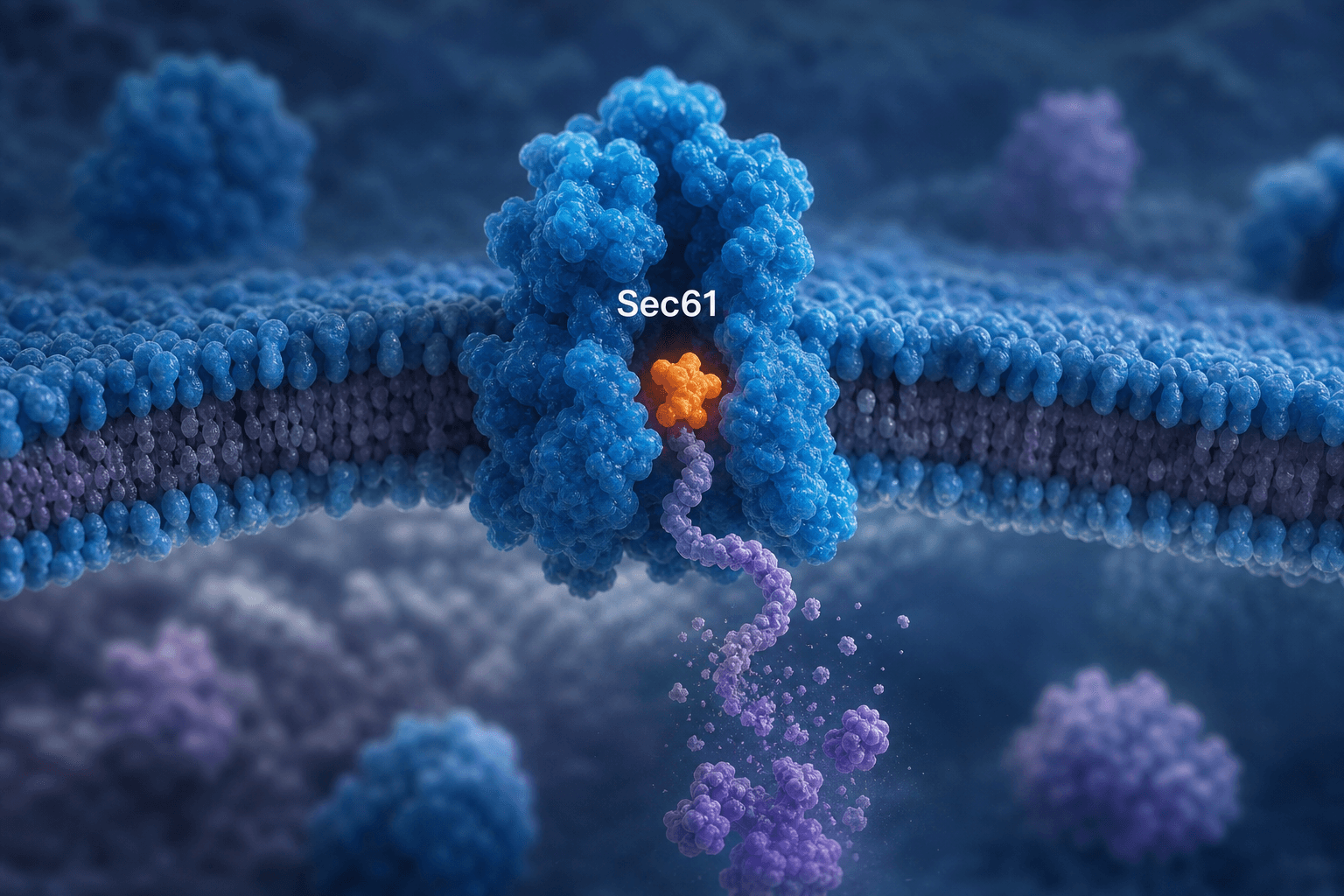
Blocking Disease Proteins With ‘Molecular Gates’ … Gate Bioscience Prepares to Enter the Clinic
Rezolute Meets Phase 3 Goal in Tumor Hyperinsulinism, Shares Rise Ahead of FDA Meeting

Regeneron’s POTS drug succeeds in Phase 2; Phase 3 to begin in first half of next year
Egene Receives Approval to Amend Phase 2/3 Trial of Quadrivalent Meningococcal Vaccine

GC Biopharma Develops Korea’s First Generative AI Drug Safety Monitoring Software, Focused on Preventing Missed Cases

Daewoong Pharmaceutical Wins Phase 1 Approval for Drug to Regenerate Intestinal Mucosa: “Beyond Immunosuppression”


