
Science
First treatment to target the root cause Accelerated approval requested; decision possible within 8 months

uniQure has applied to the U.S. Food and Drug Administration (FDA) for approval of AMT-130, a gene therapy targeting the root cause of Huntington disease.
According to BioPharma Dive on the 2nd (local time), the Dutch pharmaceutical company uniQure said it had submitted an application to the FDA that day for AMT-130. If approved, it would be the first medicine to treat the root cause of Huntington disease.
uniQure requested priority review from the FDA, which could result in an approval decision in about 8 months. The company has also completed submission of an application to U.K. regulators.
The application is based on 3-year follow-up data. The data showed that AMT-130 may significantly slow signs of disease progression. uniQure requested “accelerated approval” and would need to submit results from additional studies demonstrating clinical efficacy after approval.
uniQure's application followed a winding path with U.S. regulators. The company announced about 1 year ago that it would pursue FDA approval, but uncertainty arose because Vinay Prasad, who then led an FDA division, was critical of early gene therapy approvals.
Last November, uniQure said the FDA had “dramatically changed” its position on the experimental treatment and data. The issue was the analytical method uniQure used to support AMT-130's efficacy. The company compared patient data 3 years after treatment with patients in a natural history database called Enroll-HD, rather than with an in-trial control group.
uniQure's gene therapy requires surgery lasting several hours. The company initially included patients who underwent sham surgery as a control group, then switched to an external control group. In March this year, the FDA required a new double-blind clinical trial that included a sham-surgery control group, raising ethical concerns.
During this process, a war of words broke out, including federal health officials attacking uniQure. In an unusual move, an FDA official believed to be Prasad discussed the matter with reporters anonymously. Prasad later left the FDA, and FDA Commissioner Marty Makary also resigned in May.
In June, uniQure said the FDA had determined that an approval application could be based on the existing 3-year data alone.
William Blair analyst Sami Corwin wrote, “Some regulatory risk remains given the FDA's ongoing leadership changes.” However, he viewed it positively that uniQure appeared to have aligned with the FDA on the design of a confirmatory trial.
Joseph Schwartz, an analyst at Leerink Partners, wrote, “Avoiding sham surgery makes clinical trial enrollment much easier and removes ethical and operational hurdles.” Analysts expect the next stock catalyst to be 4-year follow-up data due by the end of this month.
Biobook Team
biobookmedia@biobook.co.kr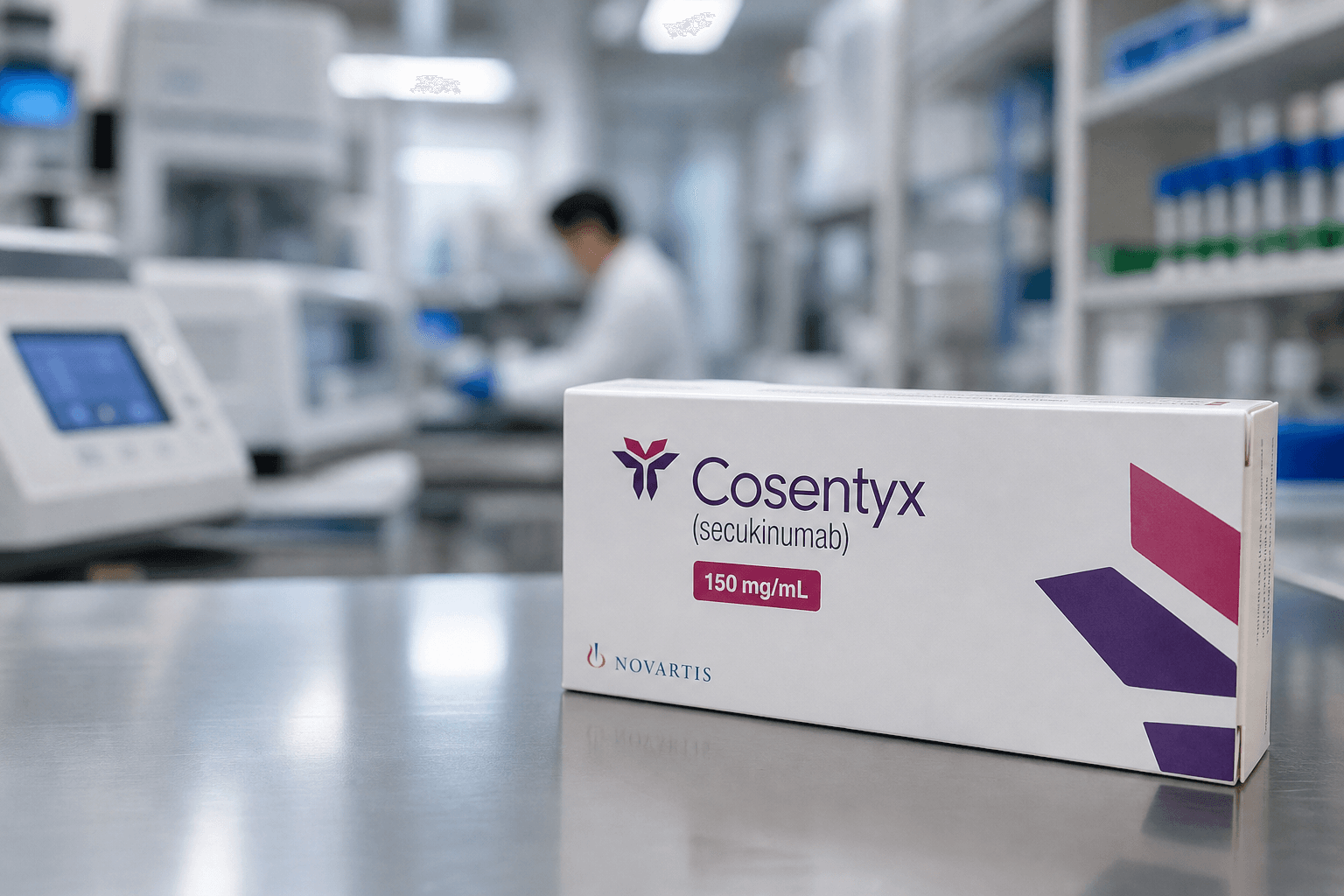
Novartis’ Cosentyx approved for 11th indication, becoming first treatment for polymyalgia rheumatica

Oral IL-23-targeting psoriasis drug icotrokinra approved in Brazil; one tablet daily

Aribio’s Oral Alzheimer’s Drug Meets Trial Goal in Monotherapy Group, Slowing Progression by 31%

SELLAS Leukemia Vaccine Extends Survival by 9 Months, Meets Phase 3 Endpoint

Korean Drugmakers Race to Develop Obesity Treatments That Preserve Muscle During Weight Loss
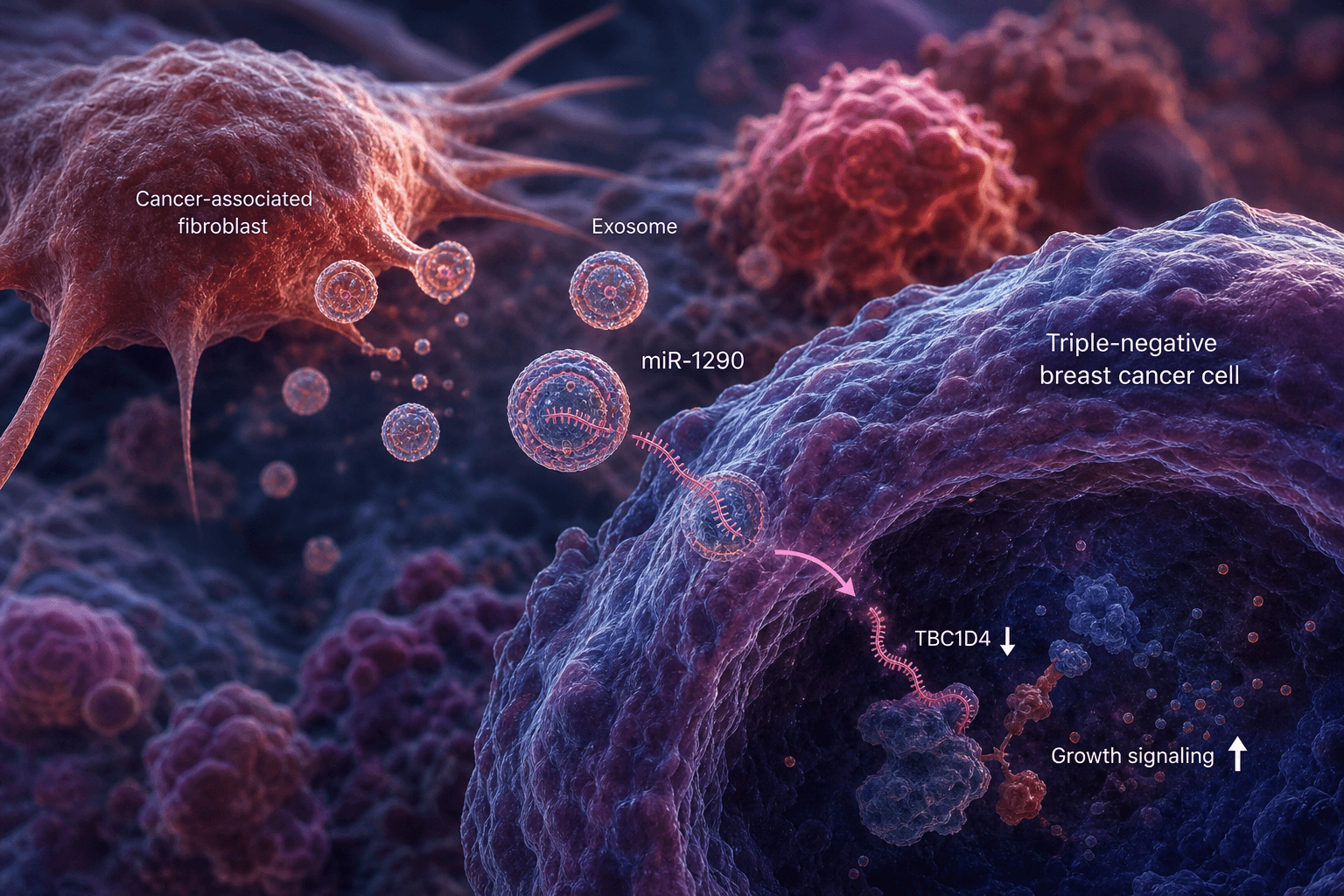
Growth pathway identified in ‘difficult-to-treat’ triple-negative breast cancer, raising potential to repurpose existing drugs


