
Science
Harvard team develops tool that uses up to 34 amino acids Discovery challenges conventional wisdom about tRNA’s “CCA tail”

Harvard researchers have developed a tool to synthesize new proteins in a test tube using up to 34 amino acids, without editing genes.
According to a study published on the 26th in the international journal Nature, a research team led by George Church, a professor at Harvard Medical School and the Wyss Institute at Harvard University, achieved this using a tool called AGENTEX.
The tool makes it possible to design proteins using up to 34 amino acids instead of the 20 found in nature. It customizes two components needed for protein synthesis — transfer RNA (tRNA) and ribosomes — and uses them to produce new proteins in a standard laboratory solution containing cellular components but no actual cells.
Existing methods required reprogramming an organism’s DNA, making them difficult and time-consuming, with limited results. In 2013, Church’s team took nine years to secure one codon in E. coli and needed another 10 years to secure a second.
AGENTEX allows researchers to customize 34 codons, greatly expanding the scope of protein design. Church, the study’s senior author, said, “It used to take 10 years to add one amino acid, but now we’ve been able to open up 34 at once.”
During the research, the team also made a discovery that overturns a longstanding belief about tRNA. The prevailing theory held that all tRNAs have a genetic sequence called CCA at the end of their tail, and that any other sequence is considered defective.
However, the researchers found that some tRNAs with noncanonical sequences can also receive amino acids from enzymes. The tSCAN tool, developed as part of AGENTEX, identified the best-performing noncanonical sequences, including CGA.
Felix Radford, the study’s first author, explained, “The CCA tail is much more flexible than people thought.”
The finding is important because noncanonical tRNAs cannot enter natural ribosomes. The researchers can design ribosomes that work only with tRNAs carrying specific alternative sequences, enabling them to carry the desired amino acids.
AGENTEX provides a workflow that carries out the entire process from start to finish. The software, which the research team made freely available, can run on open-source robots sold by Opentrons.
The researchers plan to integrate artificial intelligence (AI) into AGENTEX to further optimize protein design.
The work could be used to develop new drugs to treat disease. The authors said tSCAN also offers a new way to study tRNA mutations that cause diabetes, hearing loss and other conditions.
Radford said, “Understanding life at the molecular level and using that knowledge to develop technologies like AGENTEX can have a positive impact on the world.”
BIOBOOK TEAM
biobookmedia@biobook.co.kr
Novartis’ Cosentyx approved for 11th indication, becoming first treatment for polymyalgia rheumatica

Oral IL-23-targeting psoriasis drug icotrokinra approved in Brazil; one tablet daily

Aribio’s Oral Alzheimer’s Drug Meets Trial Goal in Monotherapy Group, Slowing Progression by 31%
SELLAS Leukemia Vaccine Extends Survival by 9 Months, Meets Phase 3 Endpoint

Korean Drugmakers Race to Develop Obesity Treatments That Preserve Muscle During Weight Loss
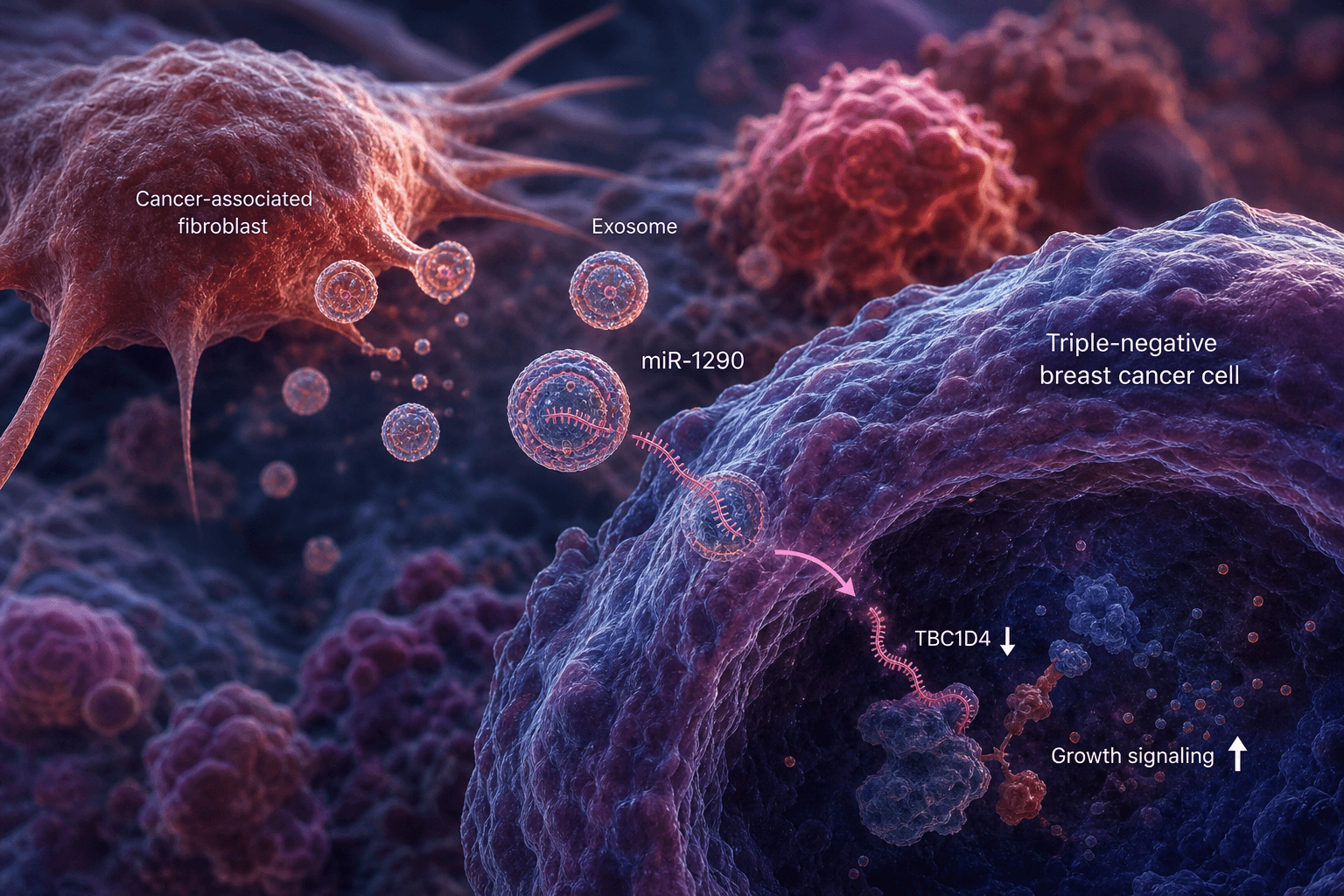
Growth pathway identified in ‘difficult-to-treat’ triple-negative breast cancer, raising potential to repurpose existing drugs


