Market
Comparing 200 mg and 300 mg twice-daily doses to establish the recommended phase 2 dose; drug has orphan-drug and fast-track designations and is pursuing an accelerated approval pathway

MedPacto has applied for approval of an amendment to the U.S. investigational new drug (IND) application for vactosertib monotherapy in patients with relapsed, refractory or advanced osteosarcoma. Vactosertib is a first-in-class candidate that blocks TGF-β signaling, which promotes cancer-cell metastasis and suppresses immunity in the tumor microenvironment. It is drawing attention as a potential new treatment option in osteosarcoma, a field that has lacked a clearly effective targeted therapy for decades.
Strategic amendment to determine the optimal dose: 200 mg vs. 300 mg
MedPacto disclosed that it submitted an application to the U.S. Food and Drug Administration (FDA) seeking approval of an amendment to the phase 1/2 clinical trial plan for vactosertib monotherapy. The key purpose of the amendment is to explore the efficacy and safety of 200 mg twice daily (BID) versus 300 mg twice daily to determine the optimal dose. The move is viewed as essential to establishing the recommended phase 2 dose (RP2D) that can maximize the drug’s efficacy ahead of global commercialization and pivotal trials.
This is an open-label, multicenter study evaluating the safety and tolerability, pharmacokinetics and antitumor activity of vactosertib monotherapy in adolescent and adult patients with relapsed, refractory or advanced osteosarcoma. In the United States, the trial is being conducted at Case Western Reserve University School of Medicine and UH Rainbow Babies & Children’s Hospital. It is a global trial involving leading medical institutions in South Korea, including the National Cancer Center, Seoul National University Hospital, Asan Medical Center and Samsung Medical Center. The registration number is NCT05588648.
The phase 1 study is designed to determine the maximum tolerated dose (MTD) and recommended phase 2 dose based on the occurrence of dose-limiting toxicities (DLTs), while phase 2 will evaluate the association between antitumor activity and biomarkers and clinical benefit. The target enrollment is at least 9 adults and up to 9 adolescents in phase 1, and at least 42 adults and adolescents in each phase 2 dose group.
Complete response recorded in prior trial, raising expectations for a reshaped rare-cancer market
Vactosertib is attracting attention because of the strong clinical data already generated. In a previous clinical evaluation of patients with severe relapsed osteosarcoma who had received an average of 7 anticancer treatments, vactosertib produced an objective response rate (ORR) of 36.4% and achieved 1 complete response (CR), an extremely rare outcome with monotherapy. Osteosarcoma is a rare malignant tumor that develops in bone and cartilage, primarily affecting adolescents and young adults. Between 25% and 50% of patients develop lung metastases, and mortality is very high after relapse and metastasis. Because only a very small number of drugs besides conventional chemotherapy have received FDA approval, the disease represents a significant unmet medical need.
Global health care market research firm DelveInsight said, "Although the current osteosarcoma treatment landscape is very limited, a small number of targeted-therapy pipelines, including MedPacto’s vactosertib, are showing positive clinical results and emerging as promising assets that could fundamentally reshape the future treatment landscape for patients with relapsed and metastatic osteosarcoma." According to Market Research Future, the global osteosarcoma therapeutics market is projected to grow at a compound annual growth rate of 6.39% from approximately $734 million in 2025 to approximately $1.364 billion in 2035 (approximately 1.8 trillion won). North America accounts for approximately 45% of the global osteosarcoma treatment market, meaning that vactosertib’s U.S. clinical development is directly targeting the largest commercial market.
Potential pathways to accelerated approval and global licensing
Vactosertib has already received orphan-drug (ODD) and fast-track designations from the FDA. If the optimal dose between 200 mg and 300 mg is successfully established through approval of this IND amendment and dramatic efficacy, such as the previously observed complete response, is confirmed again, analysts say the drug could pursue early commercialization through the FDA’s accelerated approval program based on phase 2 results alone. Market Research Future also said, "Growing global awareness of rare cancers and support from regulatory agencies such as the FDA are accelerating approval of innovative therapies."
Data showing a high response rate with monotherapy alone in a rare cancer such as osteosarcoma are also attractive to multinational pharmaceutical companies. If the U.S. trial gains momentum and additional optimal-dose data are secured, discussions on large-scale licensing with global pharmaceutical companies or joint development of combination regimens with immuno-oncology drugs are expected to accelerate. However, MedPacto cautioned investors, saying that the statistical probability of a clinical trial drug ultimately receiving approval as a medicine is approximately 10%.
BIOBOOK TEAM
biobookmedia@biobook.co.kr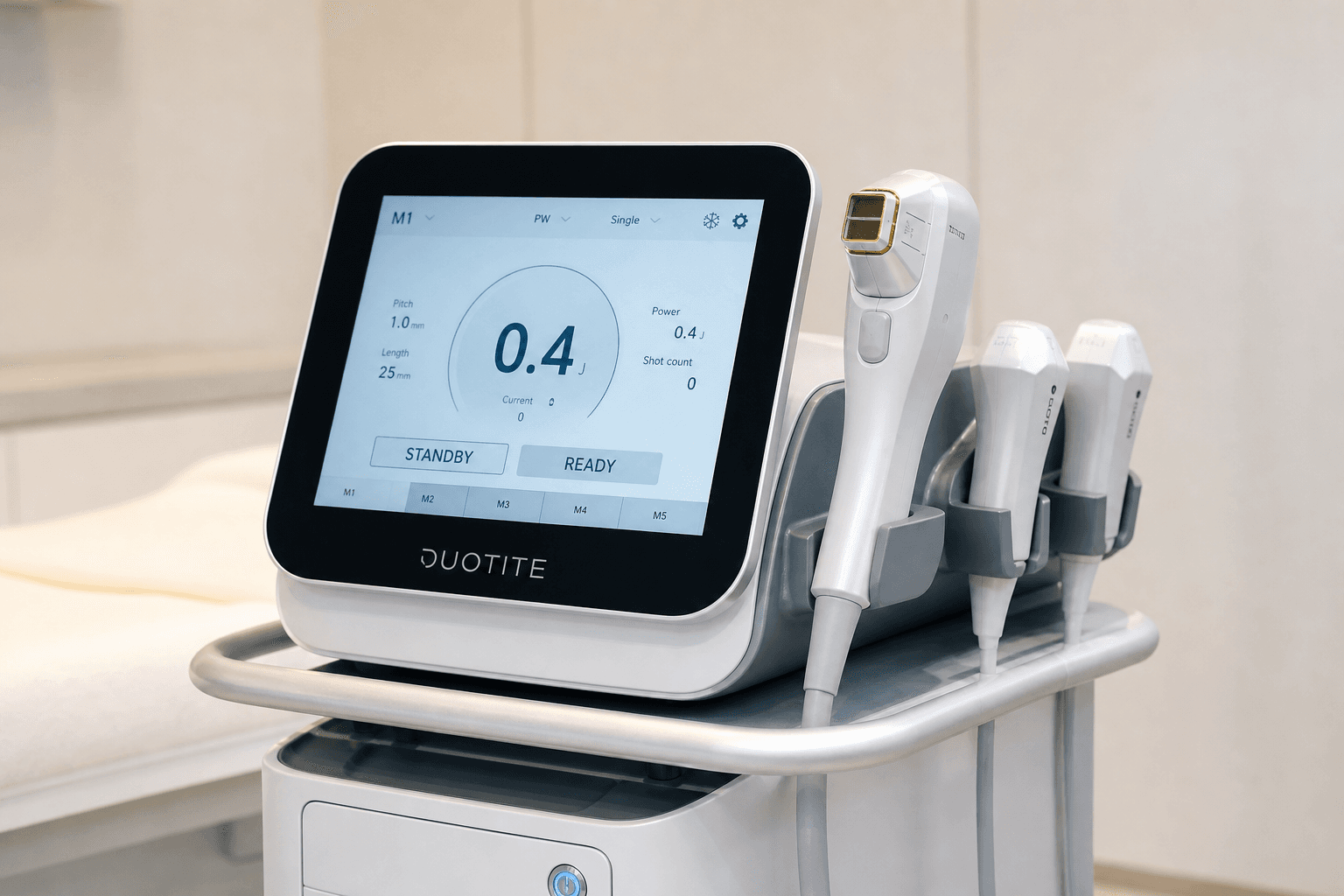
ViOL Medical Wins Thai Approval for HIFU Device, Laying Groundwork for Consumables Revenue

SCD Pharm’s glaucoma drug Latast reaches 11% market share, supplied back to originator
Alteogen’s ALT-B4 Infringes Halozyme Patent in Europe; Keytruda SC Sales Banned in 8 Countries

Immunology Drug Developer TrexBio Prices $117 Million IPO
CKD’s third-generation Lee Ju-won becomes second-largest shareholder as new drug R&D faces a test
HLB Makes Fourth Bid for Liver Cancer Drug Approval; Uncertainty Remains Despite Less Severe Inspection Outcome

Peptone nears end of two-year Lilly technology evaluation…follow-on deal could be pivotal
HLB Pharmaceutical Completes 60.8 Billion Won Rights Offering, Bets on New Hyangnam Plant as Management Participation Grows

Song Young-sook sells 86 billion won stake; buyer is daughter’s one-person company — Is a second round of Hanmi control battle looming?
