Market
Dualitas to screen 300,000 bispecific antibody combinations $36.5 million upfront payment plus additional royalties

Roche has entered a research partnership worth up to $1 billion to discover bispecific antibody drugs for immune diseases.
According to BioPharma Dive on the 16th local time, the Swiss pharmaceutical company signed a partnership with U.S. biotech startup Dualitas Therapeutics that includes a $36.5 million upfront payment.
Under the agreement, Dualitas will screen more than 300,000 bispecific antibody candidate combinations to identify drug candidates for treating immune diseases. The company may also receive up to $1 billion in additional payments upon achieving certain milestones, as well as future sales royalties.
Roche may select only a “limited number” of the programs for development. Forbes Hwang, Dualitas’ co-founder, chief business officer (CBO) and chief operating officer (COO), said that Dualitas could later develop candidates not selected by Roche itself.
Hwang, the CBO, said the company’s screening technology is unique because it can filter large numbers of drug combinations and compare them with approved medicines and monoclonal antibodies. “Our discovery engine can identify new combinations with differentiated activity,” he said in an email.
Dualitas is also developing three of its own bispecific antibodies. The most advanced, DTX-102, is expected to enter clinical trials in 2027 as a treatment for rheumatoid arthritis. The other two could be used in allergies, asthma, skin diseases and gastrointestinal diseases.
Dualitas’ bispecific antibodies differ from conventional bispecific antibodies, which bind to targets on two different cells. They use specialized antibody arms called “proximity inducers” to bring two proteins on the same cell close together, creating a synergistic effect.
Dualitas launched last year with $65 million from investors led by Qiming Venture Partners and Versant Ventures.
Roche currently markets bispecific antibody medicines including Hemlibra for hemophilia A, Vabysmo for ophthalmic diseases, and Lunsumio and Columvi for cancer. The partnership will give the company an additional bispecific antibody pipeline for immune diseases.
Roche has continued investing in the development of drugs for immune diseases. Last year, for example, its subsidiary Genentech entered a partnership with Flagship Pioneering’s Repertoire Immune Medicines to discover treatments for autoimmune diseases.
BIOBOOK TEAM
biobookmedia@biobook.co.kr
Orient Bio Expands Domestic Supply of SPF Rabbits, but Reversal of Chronic Losses Remains Elusive

Celltrion’s Third-Quarter Operating Profit Surges 69% to 510 Billion Won
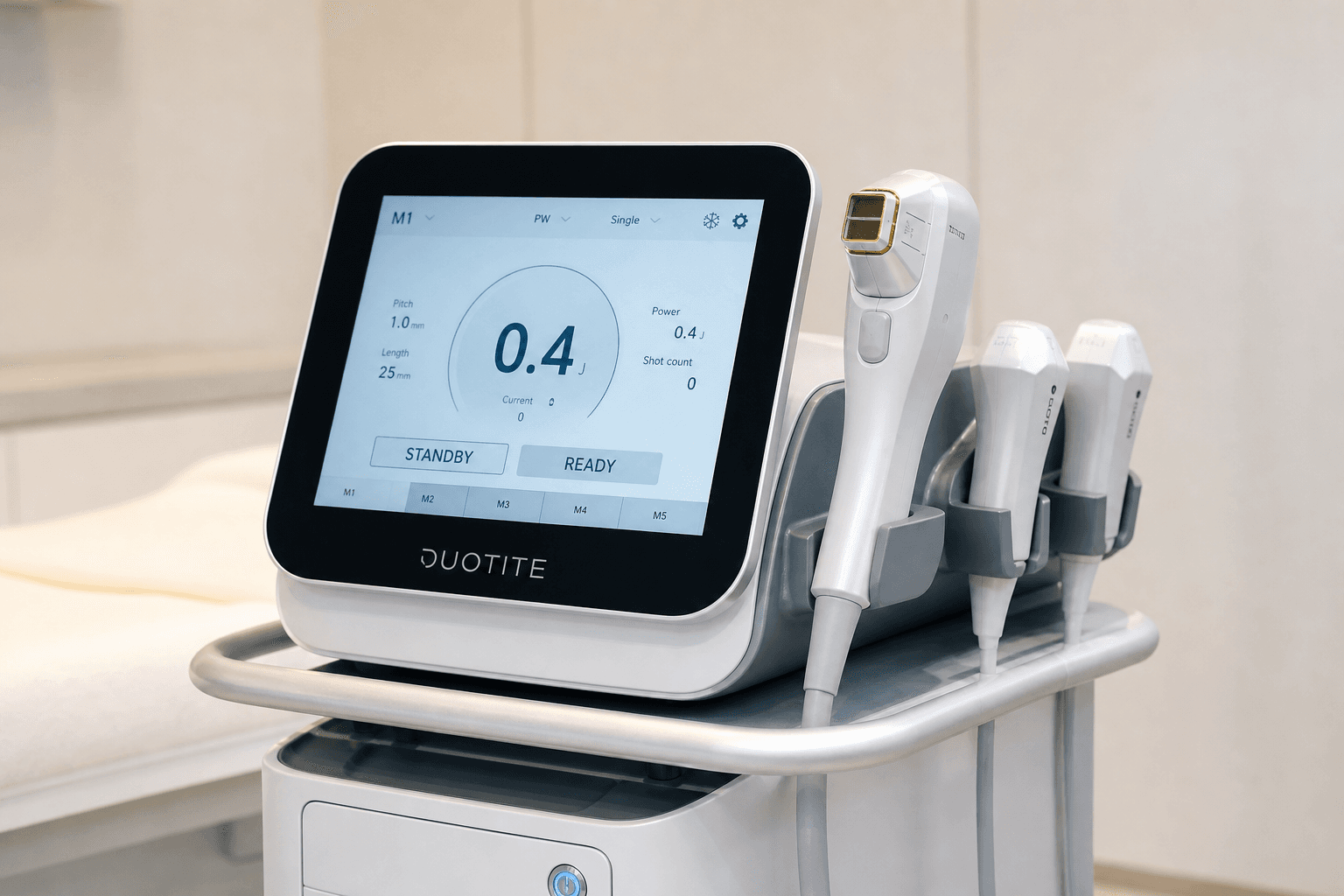
ViOL Medical Wins Thai Approval for HIFU Device, Laying Groundwork for Consumables Revenue
SCD Pharm’s glaucoma drug Latast reaches 11% market share, supplied back to originator
Alteogen’s ALT-B4 Infringes Halozyme Patent in Europe; Keytruda SC Sales Banned in 8 Countries

Immunology Drug Developer TrexBio Prices $117 Million IPO
Merck’s $1.3 trillion eye disease drug raises safety and efficacy concerns: “Limited competitiveness”
CHA Biotech Holds 24.23% Stake in CMG Pharmaceutical as Share Consolidation Reduces Its Share Count
Rural Development Administration Develops Two Molecular Markers to Identify Leaf Splitting in Squash



