Market
Novartis signs deal worth up to $3.2 billion with Alteogen White House negotiates most-favored-nation drug prices with nine pharmaceutical companies

Global pharmaceutical companies have signed a series of large-scale licensing deals with Asian biotech firms.
According to Fierce Pharma on the 4th local time, Novartis signed a development agreement worth up to $3.2 billion (approximately 4.4 trillion won) with South Korea’s Alteogen for a subcutaneous formulation. The deal uses Alteogen’s recombinant hyaluronidase, “ALT-B4,” the same substance Merck uses in the subcutaneous version of Keytruda.
Roche secured worldwide exclusive rights from China’s Simcere Zaiming to a trispecific antibody targeting CD79a, CD19 and CD3. The deal is worth up to $1.53 billion (approximately 2.1 trillion won), including an upfront payment of $75 million.
Roche’s Genentech signed an antibody-drug conjugate (ADC) platform agreement with Duality Biologics. The deal could exceed $1 billion (approximately 1.4 trillion won), including milestones, on top of a $45 million upfront payment.
GSK licensed an antibody-targeted therapeutic conjugate from Hutchmed, paying an upfront fee of $110 million. The total deal value is approximately $1.3 billion (approximately 1.8 trillion won). A phase 1 clinical trial is scheduled to begin this year.
The White House said it had reached most-favored-nation (MFN) drug-pricing agreements with nine midsize pharmaceutical companies, including Astellas, Kyowa Kirin and Sun Pharma. Separately from lowering Medicaid prices, Astellas agreed to donate 25 kg of tacrolimus active pharmaceutical ingredient to the U.S. strategic stockpile.
Ivonessimab from China’s Akeso and Summit Therapeutics showed improved overall survival in a head-to-head trial against Keytruda. However, Fierce Pharma reported that the response to the results was lukewarm as attention focused on the global phase 3 trial.
Takeda received U.S. Food and Drug Administration (FDA) approval for Vamrelro, a treatment for the rare blood cancer polycythemia vera. The drug is the first treatment to suppress excessive red blood cell production by mimicking hepcidin, a hormone that regulates iron levels in the body.
BIOBOOK TEAM
biobookmedia@biobook.co.kr
ViOL Medical Wins Thai Approval for HIFU Device, Laying Groundwork for Consumables Revenue
SCD Pharm’s glaucoma drug Latast reaches 11% market share, supplied back to originator
Alteogen’s ALT-B4 Infringes Halozyme Patent in Europe; Keytruda SC Sales Banned in 8 Countries
Immunology Drug Developer TrexBio Prices $117 Million IPO
CKD’s third-generation Lee Ju-won becomes second-largest shareholder as new drug R&D faces a test
HLB Makes Fourth Bid for Liver Cancer Drug Approval; Uncertainty Remains Despite Less Severe Inspection Outcome

Peptone nears end of two-year Lilly technology evaluation…follow-on deal could be pivotal
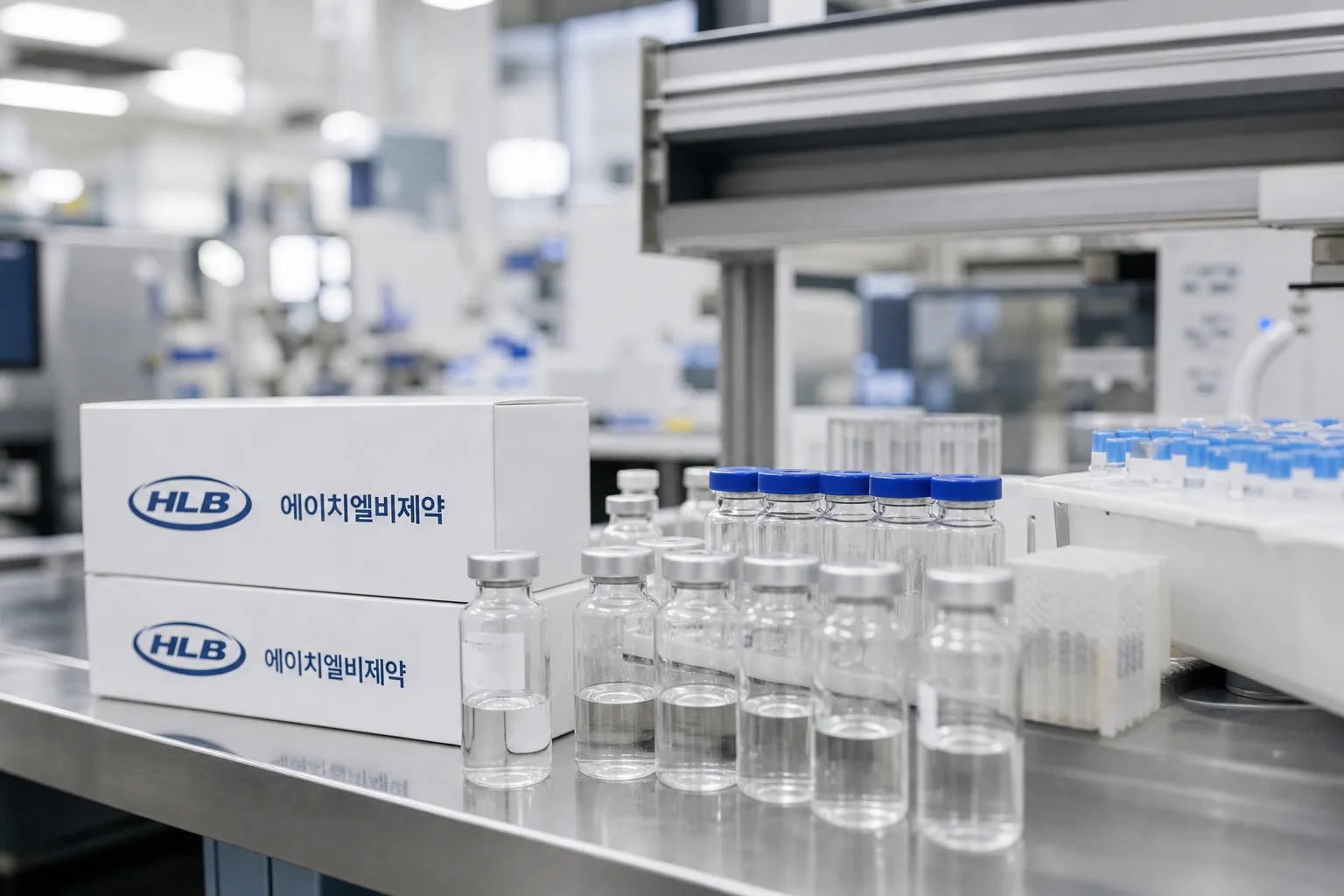
HLB Pharmaceutical Completes 60.8 Billion Won Rights Offering, Bets on New Hyangnam Plant as Management Participation Grows
Song Young-sook sells 86 billion won stake; buyer is daughter’s one-person company — Is a second round of Hanmi control battle looming?
