Market
After overcoming delisting risk following embezzlement charges, K-beauty performance drives return to profitability

IQURE resumed trading in its shares after more than 13 months, following the Korea Exchange’s Corporate Review Committee decision to maintain its listing. SoluM Cosmetics, the new largest shareholder, said it would voluntarily subject all 18,858,802 shares it holds to a 3-year mandatory holding period through Sept. 2, 2029. The decision, which extends well beyond the legally required lockup period, is based on an undertaking submitted to the Korea Exchange and took effect on the 2nd, the date of the listing-maintenance decision.
The trading suspension stemmed from embezzlement and breach-of-trust allegations involving former Chairman Choi Young-kwon, the company’s founder and former CEO. Trading in the company’s shares was suspended after prosecutors indicted him on allegations that he embezzled or misappropriated approximately 17.1 billion won through methods including the acquisition of convertible bond call options at below-market prices. About 25,000 minority shareholders were affected and were unable to trade their shares for more than a year.
SoluM Cosmetics emerges as performance turns around
The key to overcoming the delisting risk was SoluM Cosmetics, a subsidiary of SoluM, a mid-sized IT and electronic components company spun off from Samsung Electro-Mechanics. SoluM Cosmetics became the largest shareholder, with an approximately 39% stake, through a third-party allotment capital increase worth about 25 billion won. SoluM Healthcare, SoluM Cosmetics’ largest shareholder, also voluntarily subjected its 43,300 unlisted shares in SoluM Cosmetics to the same holding period.
Financial indicators also reversed course. IQURE reported separate-basis revenue of 69.7 billion won in the first half of 2026, an 80.2% increase from the same period a year earlier. Operating profit reached 2.8 billion won, marking a return to profitability for the first time in 9 years. The cosmetics division drove the performance, as ODM volumes from new K-beauty customers, including APR, increased substantially. Cosmetics revenue accounted for 86.2% of total revenue, or about 60.1 billion won.
Global export strategy based on patch technology
IQURE is also a pharmaceutical and biotechnology company with transdermal drug delivery system (TDDS) technology. The technology, which enabled the world’s first phase 3 trial of a donepezil patch for Alzheimer disease to be completed, is also being applied to the manufacture of high-functional cosmetics. The company has signed export contracts worth about 15 billion won for arthritis analgesic and anti-inflammatory patches, including ketoprofen plasters, with destinations including Singapore, Malaysia and Hong Kong in Southeast Asia, as well as Latin America, the United Kingdom and the UAE. Including contracts with companies such as Italy’s Menarini, the company has secured a global supply chain worth more than 60 billion won.
The key question going forward is whether exports will expand through SoluM’s distribution network. SoluM’s core electronic shelf label (ESL) business serves major global retail companies in North America and Europe. Industry observers expect significant synergies if IQURE’s cosmetics and patches are added to this distribution network. The company’s plant in Wanju, North Jeolla province, is currently pursuing overseas GMP certification. Increasing exports by raising the plant’s utilization rate is expected to be a decisive factor in the company’s short- to medium-term performance.
The resolution of the incident has drawn attention because it shows that the Korea Exchange regarded eliminating owner risk and securing management transparency as key conditions for maintaining the listing. The unusually long 3-year voluntary lockup resulted from the new largest shareholder’s response to the exchange’s demands. Because embezzlement by major shareholders has repeatedly been cited as a cause of the Korea discount, market attention is focused on whether this restructuring will lead to actual improvements in corporate governance.
BIOBOOK TEAM
biobookmedia@biobook.co.kr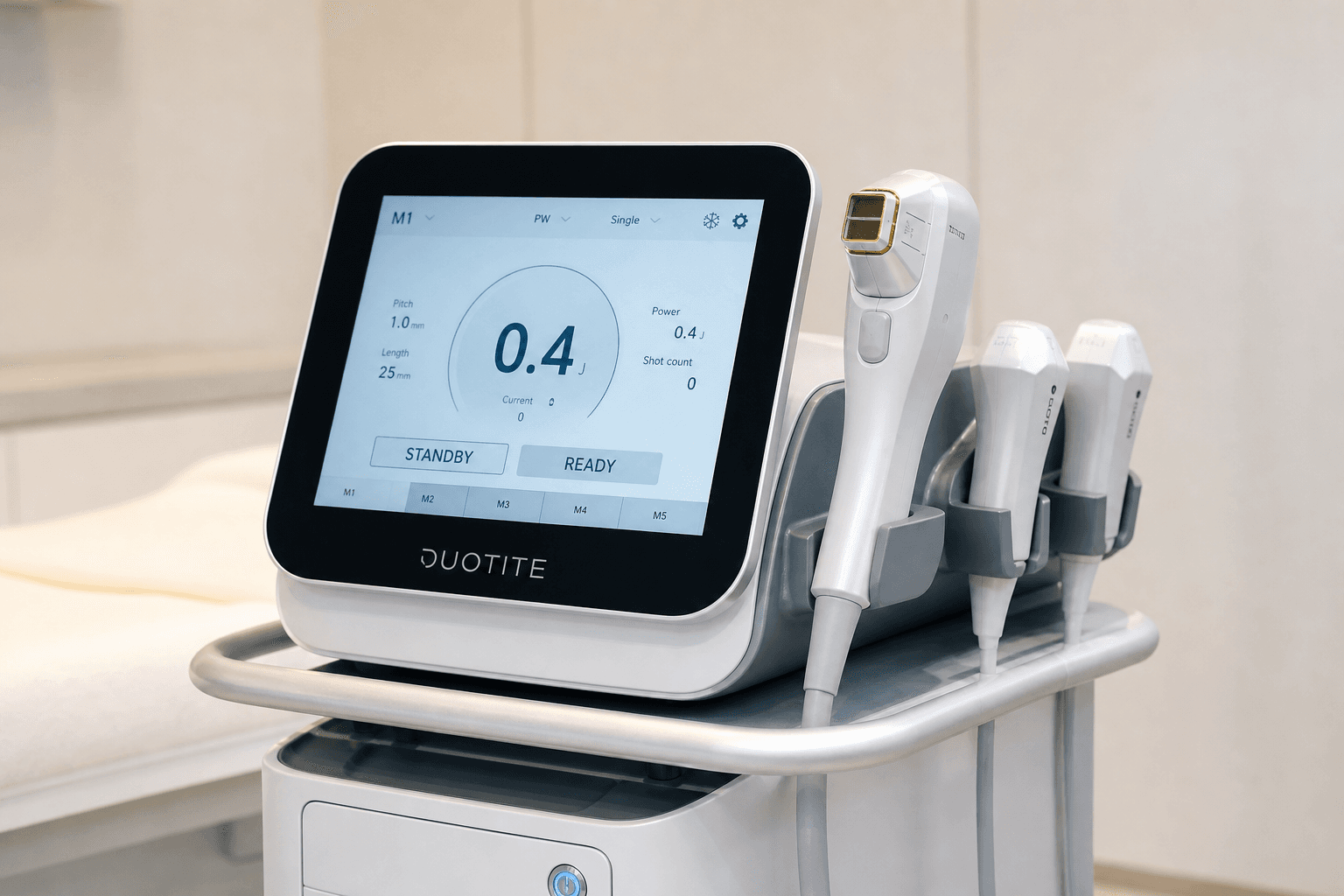
ViOL Medical Wins Thai Approval for HIFU Device, Laying Groundwork for Consumables Revenue
SCD Pharm’s glaucoma drug Latast reaches 11% market share, supplied back to originator
Alteogen’s ALT-B4 Infringes Halozyme Patent in Europe; Keytruda SC Sales Banned in 8 Countries

Immunology Drug Developer TrexBio Prices $117 Million IPO
CKD’s third-generation Lee Ju-won becomes second-largest shareholder as new drug R&D faces a test
HLB Makes Fourth Bid for Liver Cancer Drug Approval; Uncertainty Remains Despite Less Severe Inspection Outcome

Peptone nears end of two-year Lilly technology evaluation…follow-on deal could be pivotal
HLB Pharmaceutical Completes 60.8 Billion Won Rights Offering, Bets on New Hyangnam Plant as Management Participation Grows
Song Young-sook sells 86 billion won stake; buyer is daughter’s one-person company — Is a second round of Hanmi control battle looming?
