Market
Financial crisis erupts immediately after global expansion announcement, with debt ratio at 252% and operating loss nearly quadrupling

KOSDAQ-listed MicroDigital recorded an operating loss of 9.234 billion won in the first half of 2025 and received a “disclaimer of opinion” from Samil PricewaterhouseCoopers on its interim consolidated and separate financial statements. As the company, which is the only one in Asia with in-house manufacturing technology for single-use bioreactors, moves to fully enter the North American market, the emergence of a financial crisis has starkly exposed the gap between its technological capabilities and its prospects for survival.
According to the interim report filed Aug. 31, consolidated revenue in the first half of this year was 3.661 billion won, down 42.8% from 6.396 billion won in the same period last year. The operating loss expanded nearly fourfold, from 2.494 billion won in the same period last year to 9.234 billion won, while losses before income taxes and net loss for the period each reached 12.334 billion won.
The direct reason for the auditor’s disclaimer of opinion was uncertainty about the company’s ability to continue as a going concern. With the debt ratio soaring to 252.98%, net cash outflows from operating activities continued, and there is also a possibility that conditions triggering the loss of the benefit of time under agreements with convertible bondholders could arise. Investors are particularly concerned because, if the risk of the convertible bonds’ loss of the benefit of time materializes, it could lead to a trading suspension on the KOSDAQ or even a delisting crisis.
The vulnerability is even clearer in the company’s revenue structure. By business segment, biomedical (BM) accounted for the largest share at 2.1 billion won (57.3%), followed by bioprocess (BP) at 794 million won (21.7%) and other consumables and products at 769 million won (21.0%). By region, domestic sales of 2.617 billion won (71.5%) far exceeded exports of 1.044 billion won (28.5%), showing the company’s urgent need to develop overseas sales channels.
The gap between North American business strategy and financial reality
MicroDigital has formed a strategic partnership with U.S. industrial company Parker Hannifin and is pursuing commercial supply in North America of its internally developed single-use bioreactor brand, OrbTec. According to global market research firm MarketsandMarkets, the global single-use bioreactor market is projected to grow at an average annual rate of 12.0%, from approximately $5.4 billion in 2026 to approximately $9.58 billion in 2031 (about 12 trillion won), with North America the largest market, accounting for approximately 36% of global demand. It is also true that South Korean bioprocess equipment companies are benefiting structurally as global pharmaceutical companies exclude Chinese-made equipment and seek partners in allied countries amid the policy direction of the U.S. BIOSECURE Act. However, the auditor’s “disclaimer of opinion” is a critical risk signal for foreign and institutional investors. Despite securing Parker Hannifin’s global sales network, questions have arisen over whether MicroDigital has sufficient short-term liquidity to reliably fulfill long-term supply contracts.
AI new business remains at the “review” stage
At its annual general meeting of shareholders in March this year, the company added eight business purposes, including the development and sale of an AI-based bioprocess platform, and announced plans to advance its technology. However, the company acknowledged that most of the new businesses remain at the marketability-review stage and have not generated meaningful revenue. Adding new businesses that have not yet been monetized amid a financial crisis could increase uncertainty rather than help restore investor confidence.
As measures to respond to the crisis, the company presented plans to reduce fixed personnel expenses through workforce adjustments, cut costs, expand sales of BM equipment and consumables, pursue its BP business in North America and conduct a paid-in capital increase. After the reporting period, on Aug. 20, it acquired early the second bearer-type, unsecured, privately placed convertible bond, with a face value of 600 million won, for 639 million won, pursuant to an agreement with the bondholder. The move is interpreted as an effort to partially resolve the risk of losing the benefit of time. Biotech industry experts said the direction of the self-help measures is appropriate, but cautioned that a paid-in capital increase would dilute shareholders and that workforce adjustments could weaken the North American business itself if they lead to the departure of key technical personnel. Ultimately, whether MicroDigital can overcome its short-term liquidity crisis while fully preserving its technological capabilities is expected to be the key factor determining its survival and growth in the global bioprocess equipment market.
BIOBOOK TEAM
biobookmedia@biobook.co.kr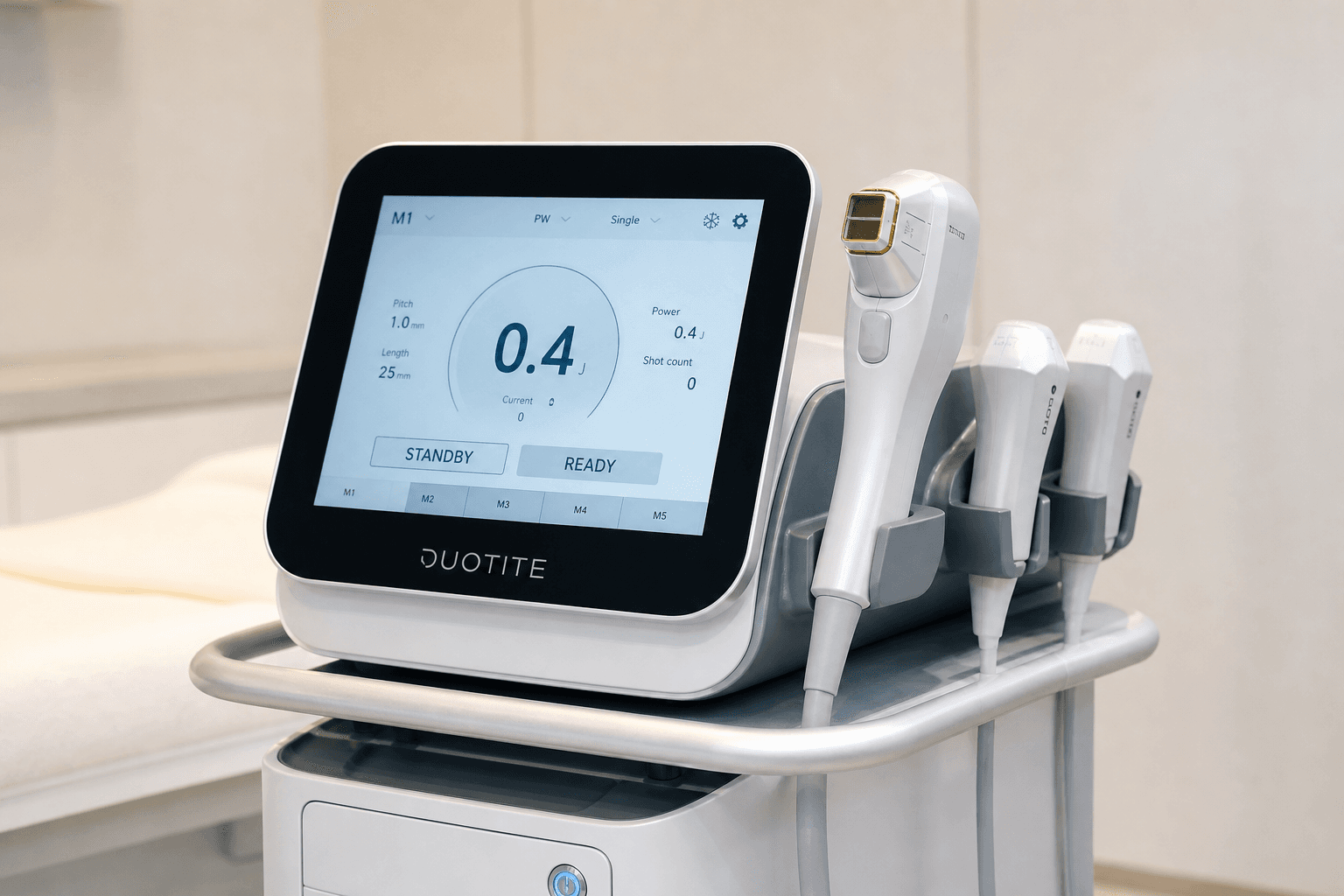
ViOL Medical Wins Thai Approval for HIFU Device, Laying Groundwork for Consumables Revenue

SCD Pharm’s glaucoma drug Latast reaches 11% market share, supplied back to originator
Alteogen’s ALT-B4 Infringes Halozyme Patent in Europe; Keytruda SC Sales Banned in 8 Countries

Immunology Drug Developer TrexBio Prices $117 Million IPO
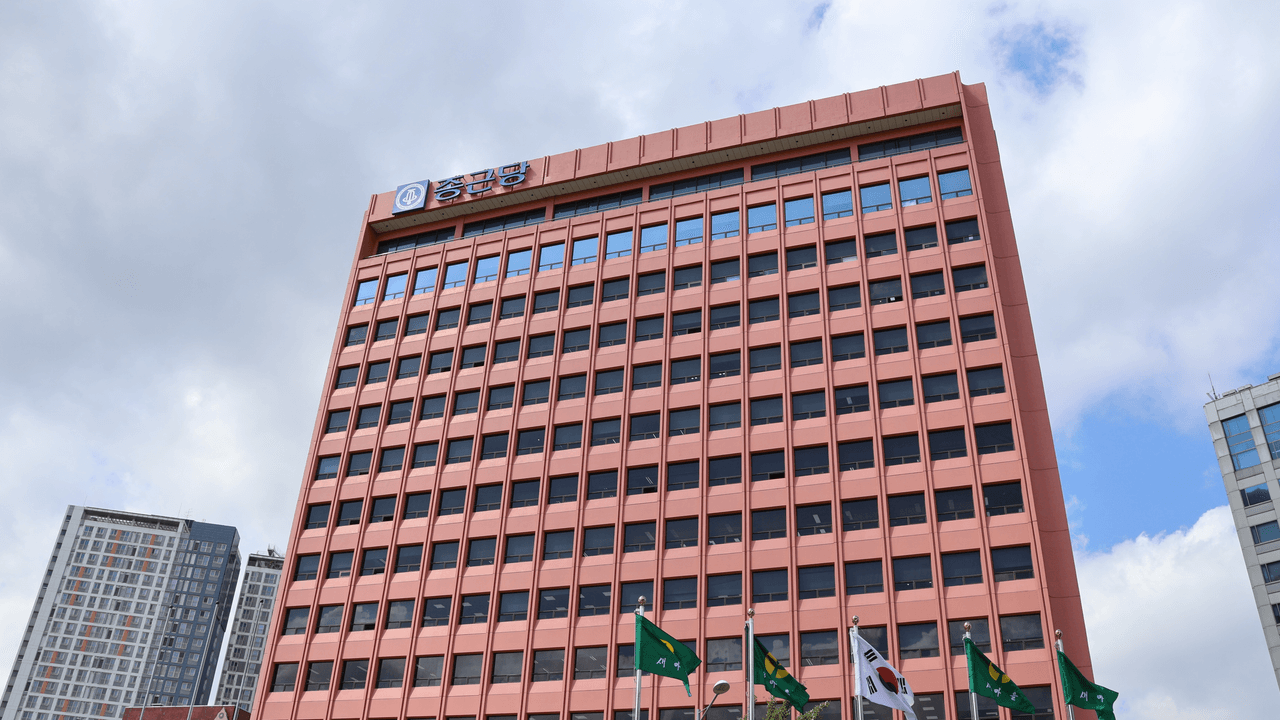
CKD’s third-generation Lee Ju-won becomes second-largest shareholder as new drug R&D faces a test

HLB Makes Fourth Bid for Liver Cancer Drug Approval; Uncertainty Remains Despite Less Severe Inspection Outcome

Peptone nears end of two-year Lilly technology evaluation…follow-on deal could be pivotal
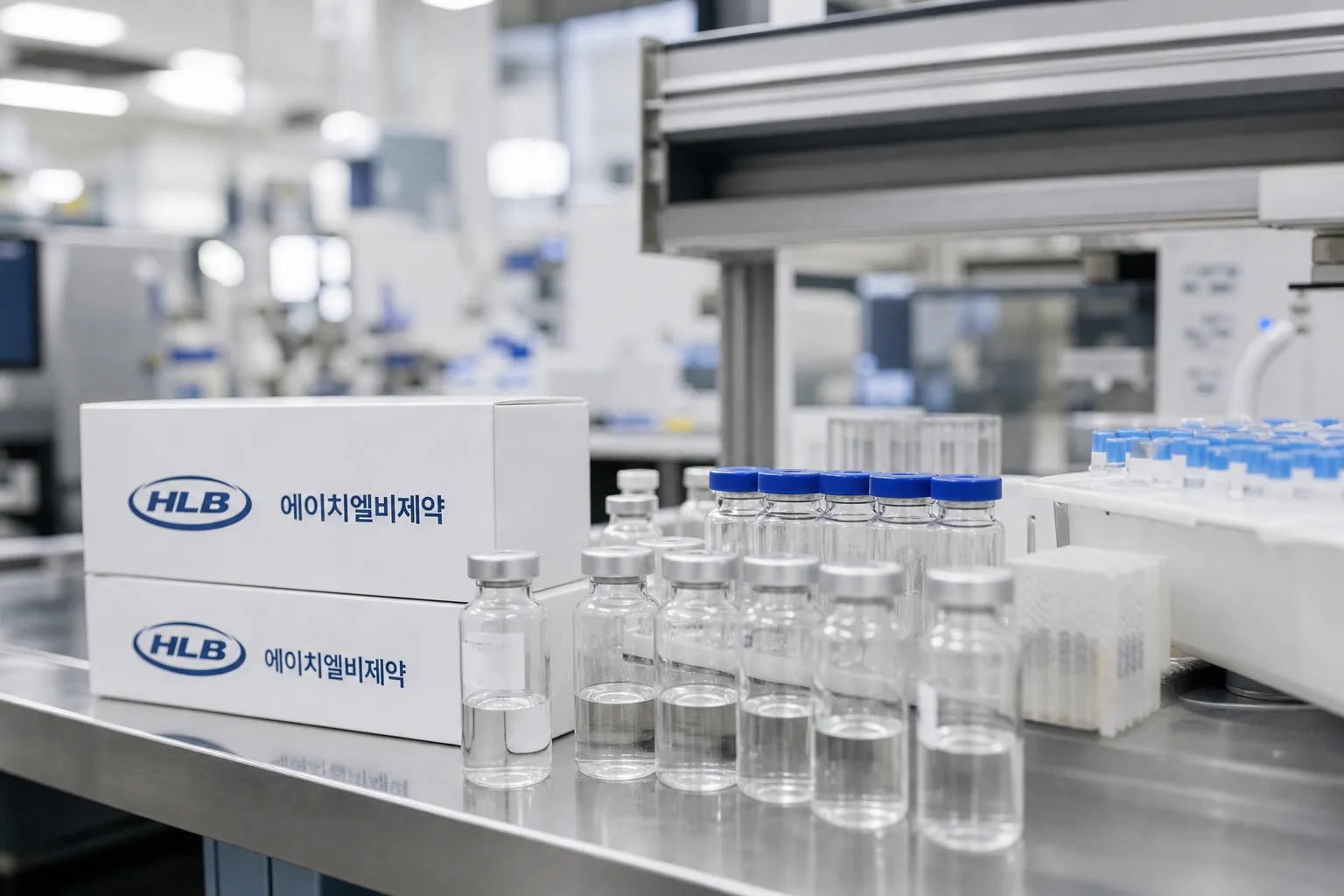
HLB Pharmaceutical Completes 60.8 Billion Won Rights Offering, Bets on New Hyangnam Plant as Management Participation Grows

Song Young-sook sells 86 billion won stake; buyer is daughter’s one-person company — Is a second round of Hanmi control battle looming?
