
Science
PSMAddition trial shows 33% reduction in risk of disease progression or death Expansion into pre-castration-resistant setting doubles treatment-eligible patient population

Novartis’ radioligand therapy Pluvicto has further solidified its position as a blockbuster drug after gaining approval in the United States as a treatment for earlier-stage prostate cancer.
According to biotech publication Fierce Pharma, the US Food and Drug Administration (FDA) approved Pluvicto on the 31st of last month (local time) for patients with prostate-specific membrane antigen (PSMA)-positive metastatic castration-sensitive prostate cancer (mHSPC). It is to be used in combination with an androgen receptor pathway inhibitor (ARPI).
With the approval, Pluvicto can now be used not only in its existing treatment area, metastatic castration-resistant prostate cancer (mCRPC), but also from the earlier, castration-sensitive stage of disease. Novartis expects the number of patients eligible for Pluvicto treatment to nearly double as a result.
Metastatic castration-sensitive prostate cancer (mHSPC) is generally known to progress to the more difficult-to-treat castration-resistant form within 20 months. More than 186,000 people worldwide are diagnosed with mHSPC each year, and more than 80% of patients with prostate cancer express the PSMA biomarker.
In the phase 3 PSMAddition study that supported the approval, the Pluvicto combination reduced the risk of disease progression or death by 28% compared with standard therapy alone (ARPI + androgen-deprivation therapy). In a subsequent updated analysis, the risk reduction improved to 33%, and overall survival (OS) also showed a trend favoring the Pluvicto group.
The safety profile was similar to that previously reported. The incidence of grade 3 or higher serious adverse events was slightly above 50% in the Pluvicto combination group, marginally higher than the 43% reported for the standard-therapy-alone group.
Pluvicto is a radioligand therapy (RLT) that combines a targeting compound, or ligand, with the therapeutic radionuclide lutetium-177. When the ligand binds to PSMA on cancer cells, the radioactive isotope destroys the cancer cells.
Victor Bulto, president of Novartis US, said in a statement, “Patients with metastatic prostate cancer continue to face significant unmet medical needs. It is important to introduce precision medicine options earlier in the treatment journey,” he said.
Novartis expects Pluvicto to generate peak annual sales of $5 billion (approximately 7.5 trillion won). Along with Lutathera, a treatment for gastroenteropancreatic neuroendocrine tumors, Pluvicto is considered one of the company’s leading success stories and a flagship product in Novartis’ radiopharmaceutical portfolio.
BIOBOOK TEAM
biobookmedia@biobook.co.kr
Novartis’ Cosentyx approved for 11th indication, becoming first treatment for polymyalgia rheumatica

Oral IL-23-targeting psoriasis drug icotrokinra approved in Brazil; one tablet daily

Aribio’s Oral Alzheimer’s Drug Meets Trial Goal in Monotherapy Group, Slowing Progression by 31%

SELLAS Leukemia Vaccine Extends Survival by 9 Months, Meets Phase 3 Endpoint

Korean Drugmakers Race to Develop Obesity Treatments That Preserve Muscle During Weight Loss
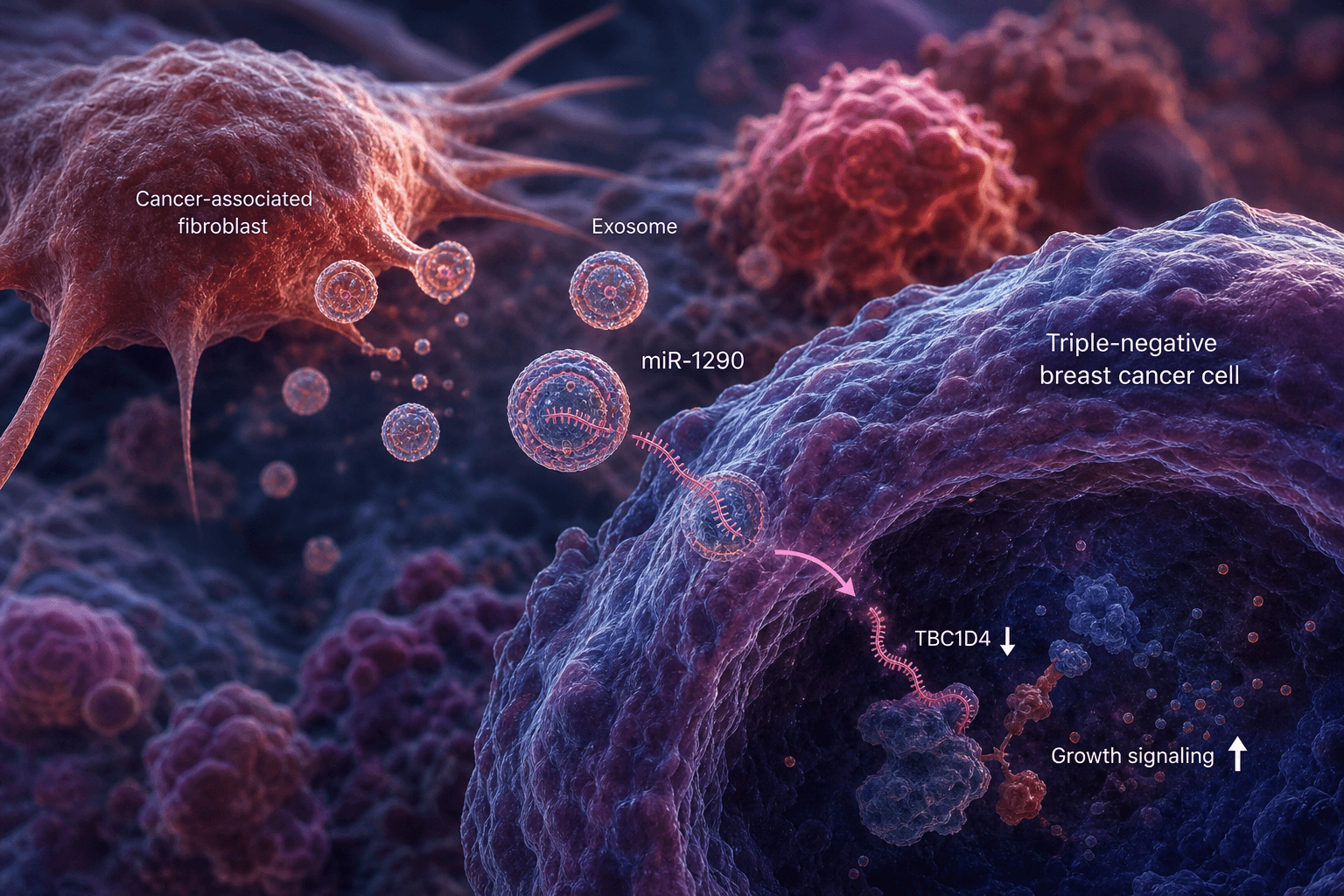
Growth pathway identified in ‘difficult-to-treat’ triple-negative breast cancer, raising potential to repurpose existing drugs


