Market
Caldera raises $417 million and merges with Synaptics Vidia acquired by Processa, accelerating BTK inhibitor development

Biotech startups with promising pipelines are increasingly raising funds by merging with publicly traded companies facing financial difficulties in so-called reverse mergers.
According to biotech publication BioPharma Dive on the 29th local time, Caldera Therapeutics and Vidia Therapeutics announced that they had signed merger and acquisition (M&A) agreements with Synaptics and Processa Pharmaceuticals, respectively. Both companies also successfully raised substantial funds alongside the M&A transactions.
Caldera, a startup just 7 months old, will merge with Synaptics. At the same time, it completed a $278 million (approximately 417 billion won) private placement. Caldera had previously received $112.5 million (approximately 168.8 billion won) in initial venture funding.
The funds will be used to develop CLD-423, a drug candidate licensed from China’s Queens Therapeutics. The candidate simultaneously targets TL1A and IL-23p19, proteins known to promote inflammation. It is currently in a phase 1 trial for ulcerative colitis and Crohn disease, with data targeted by the end of 2026.
Caldera’s merger partner, Synaptics, went public through a reverse merger in 2017 but failed to develop a treatment for phenylketonuria, a rare genetic disorder. It subsequently laid off approximately 90% of its employees in 2024 and has been seeking strategic alternatives.
Vidia Therapeutics secured funding by being acquired by Processa Pharmaceuticals. Vidia also raised an additional $200 million (approximately 300 billion won) from more than 10 investors.
Vidia’s lead pipeline is VT-7208. It is a new type of Bruton tyrosine kinase (BTK) inhibitor, a class widely known for treating blood cancers. Because it can cross the blood-brain barrier (BBB), it may have potential for treating neurologic and immune diseases. It is preparing to enter phase 2 trials targeting food allergies, chronic idiopathic urticaria and relapsing multiple sclerosis.
Competition, however, is intense. Sanofi’s tolebrutinib has already been approved in Europe as a treatment for multiple sclerosis, while Roche is also nearing approval for another BTK inhibitor. Meanwhile, after the merger, Processa will continue developing two treatments for breast cancer and gastrointestinal diseases that it had previously been researching.
In the US biotech industry, reverse mergers based on promising assets licensed from China, like Caldera’s, have recently become more common. Last month, Abele Therapeutics and Serapha Bio also announced agreements structured in a similar way. Following the M&A transactions, both companies are reportedly funded to operate through 2029.
BIOBOOK TEAM
biobookmedia@biobook.co.kr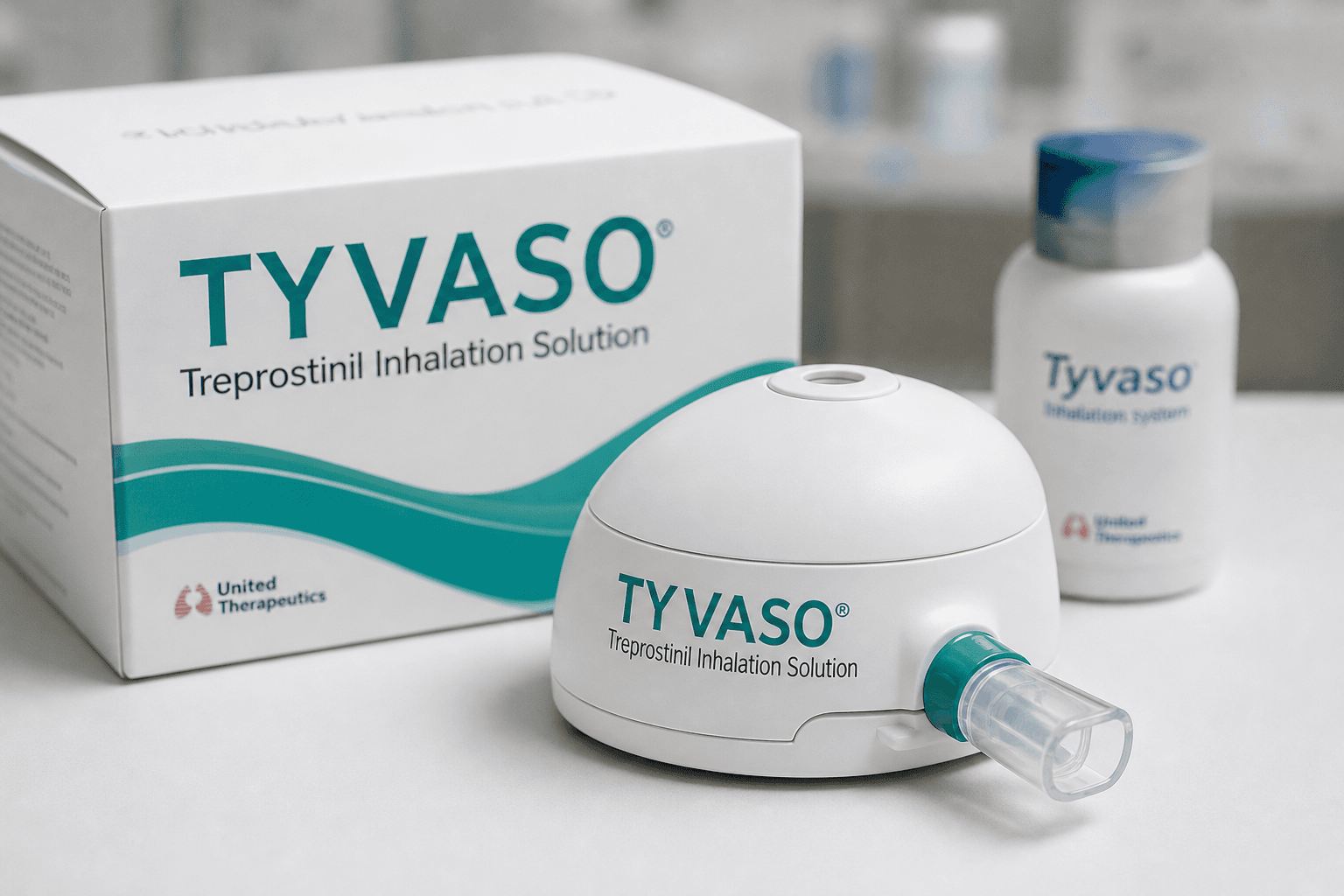
United Therapeutics, Liquidia Reach $380 Million Settlement, Ending Tyvaso Patent Dispute

Galderma to Expand Dermatology Portfolio With $1.5 Billion Acquisition of Zo Skin Health

Stryker invests $400 million in CMR Surgical, secures exclusive U.S. sales rights for surgical robot
Vera signs deal with Gilead worth up to $1.9 billion, sees 'opportunity for additional deals'

Zealand partners with ‘AI protein’ developer Generate in $1.6 billion deal to expand obesity drug pipeline

Remed to Issue 10 Billion Won in Convertible Bonds to Fund Expansion in North America, Japan and Europe



