Market
In-depth analysis of eight Asia-originated licensing deals from 2025-2026 ‘Scarcity,’ rather than clinical stage, determines value, with a wide gap between total deal value and upfront payments


A recent analysis found that the formula behind major licensing successes by Asian biotechnology companies lies not in clinical stage but in “scarcity.”
On the 28th (local time), biotechnology publication biopharma APAC released an in-depth analysis of eight Asia-originated licensing deals signed from January 2025 through June 2026. The analysis included the case of South Korean company Oscotec.
According to the publication, the most important factor determining the value of a drug candidate was not its clinical stage but the competitive landscape for its target class and the drug’s differentiation. Even drugs that had entered phase 3 received low upfront payments in highly competitive fields, while drugs in the early stages of phase 1 were assigned high value when they had a unique mechanism of action.
A representative example is China’s Hansoh Pharma. In June 2025, the company licensed the GLP-1/GIP dual agonist “HS-20094,” which had completed phase 3, to Regeneron, but received only 120 billion won upfront. At the time, the obesity and diabetes treatment market was already a red ocean dominated by strong leaders, the analysis said.
By contrast, India’s Ichnos Glenmark Innovation secured 1.05 trillion won in upfront payments alone when it transferred “ISB 2001,” a trispecific antibody in phase 1 clinical development for multiple myeloma, to AbbVie in July 2025. Its differentiated mechanism compared with existing bispecific antibodies led to a high valuation.
The case of South Korean company Oscotec illustrates the difference between a deal’s announced total value and the amount actually received. In June 2026, Oscotec licensed the oral SYK inhibitor “cevidoplenib” to Agios Pharmaceuticals. At the time, the total deal value was reported in South Korea to be as much as 997.5 billion won.
However, the actual agreement provided for an upfront payment of 37.5 billion won and development and regulatory milestones of up to 210 billion won. This reflected the failure to meet the primary endpoint in phase 2 clinical development and showed that the deal’s value was weighted largely toward uncertain future value after commercialization.
The report also highlighted cases in which drugs with the same mechanism were licensed at different times. China’s 3SBio and Remegen both licensed PD-1/VEGF bispecific antibodies to U.S. big pharmaceutical companies. In May 2025, 3SBio received an upfront payment of 187.5 billion won from Pfizer for a phase 2-stage asset.
Eight months later, in January 2026, Remegen transferred an asset with the same mechanism in phase 1/2 development to AbbVie and received an upfront payment of 975 billion won. The two cases confirmed that market prices are being established for drugs in similar classes and that value can differ by nearly twofold depending on clinical stage.
Biopharma APAC advised, “The announced total deal value and the upfront payments and near-term milestones secured in actual cash are entirely different types of figures,” adding, “Business development teams should closely analyze the details of agreements to determine their substantive value.”
BIOBOOK TEAM
biobookmedia@biobook.co.kr
Orient Bio Expands Domestic Supply of SPF Rabbits, but Reversal of Chronic Losses Remains Elusive

Celltrion’s Third-Quarter Operating Profit Surges 69% to 510 Billion Won
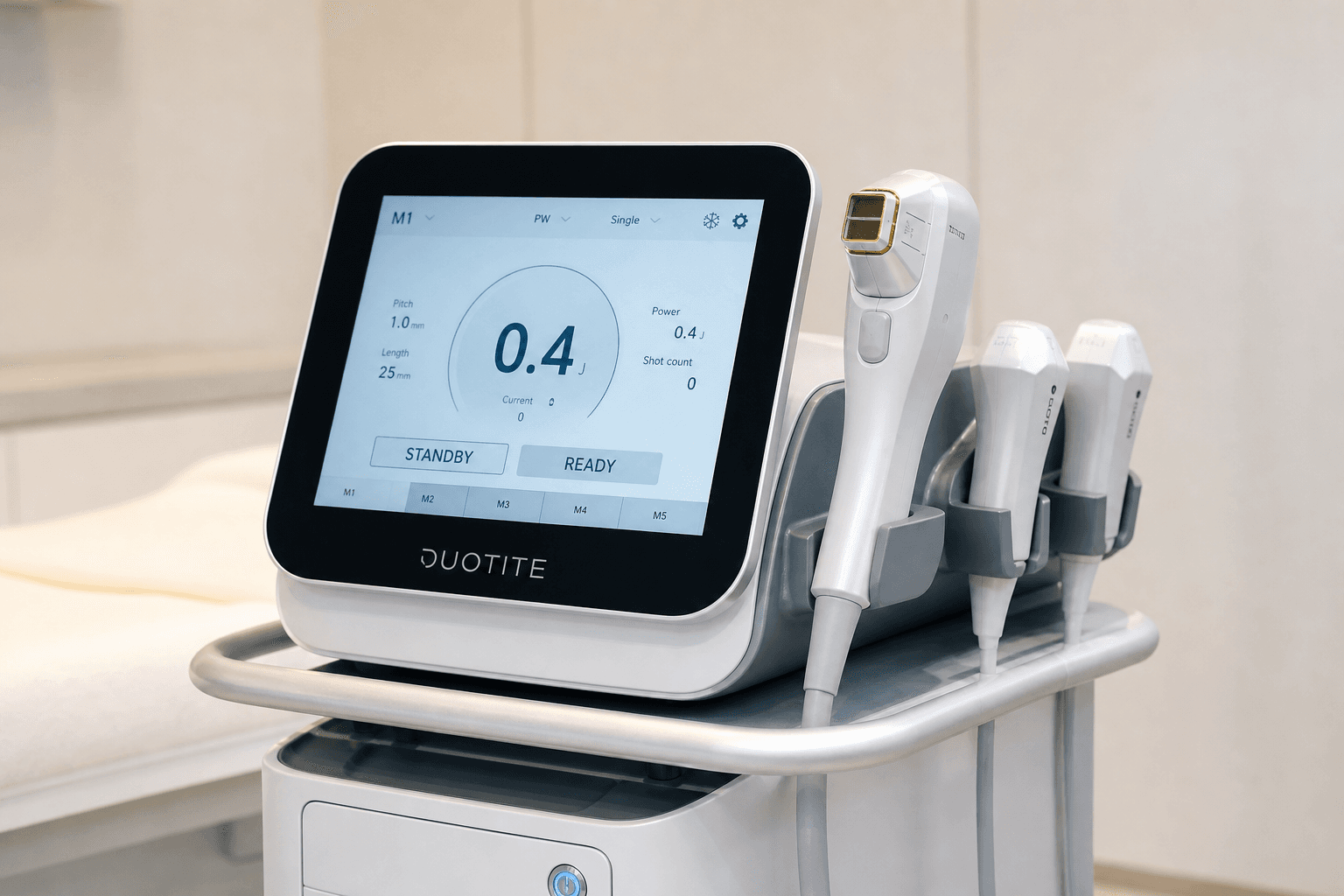
ViOL Medical Wins Thai Approval for HIFU Device, Laying Groundwork for Consumables Revenue

SCD Pharm’s glaucoma drug Latast reaches 11% market share, supplied back to originator
Alteogen’s ALT-B4 Infringes Halozyme Patent in Europe; Keytruda SC Sales Banned in 8 Countries

Immunology Drug Developer TrexBio Prices $117 Million IPO
Rural Development Administration Develops Two Molecular Markers to Identify Leaf Splitting in Squash
MFDS Begins Distribution of Internationally Certified Reference Materials, Including 24 New Items, for a Total of 882
Ministry of Trade, Industry and Energy signs agreement to promote biotech and medical devices in Gangwon; site visit set for the 14th



