Market
OECD test guideline standardization underway Gaining attention as a next-generation toxicity assessment method to replace animal testing


A liver organoid platform technology for toxicity assessment developed through a Ministry of Food and Drug Safety research and development project has been transferred to Daewoong Pharmaceutical, opening the way for commercialization.
The MFDS’s National Institute of Food and Drug Safety Evaluation said on the 28th that the technology, developed by a research team led by Dr. Myeong-jin Son at the Korea Research Institute of Bioscience and Biotechnology, had been transferred to Daewoong Pharmaceutical. The technology transfer was pursued to support the industry’s use of organoid technology and establish a manufacturing and supply base in preparation for the future adoption of an Organisation for Economic Co-operation and Development (OECD) test guideline.
Liver organoids are 3D cellular models that use human stem cells to mimic the structure and function of actual liver tissue. Because they can predict drug-induced hepatotoxicity more accurately than conventional 2D cell culture models, they are gaining attention as a next-generation alternative method (NAM) to animal testing.
The transferred technology is distinguished by its ability to reproduce not only liver tissue but also bile excretion structures, further improving its ability to predict human responses. It can also be cultured for extended periods, and its function is maintained after freezing and thawing, which is expected to increase its utility in industrial settings.
Through the technology acquisition, Daewoong Pharmaceutical will be responsible for the stable manufacture and supply of liver organoids if an OECD test guideline is adopted in the future. The MFDS explained that, if the technology is adopted as an OECD test guideline, it would become the world’s first toxicity testing method using liver organoids.
“This technology transfer is a representative success story of laboratory technology making its way into industrial applications,” an MFDS official said. “Next-generation, human-centered toxicity assessment technology will be used in drug development and contribute to strengthening the global competitiveness of Korea’s biotechnology and pharmaceutical industries.”
BIOBOOK TEAM
biobookmedia@biobook.co.kr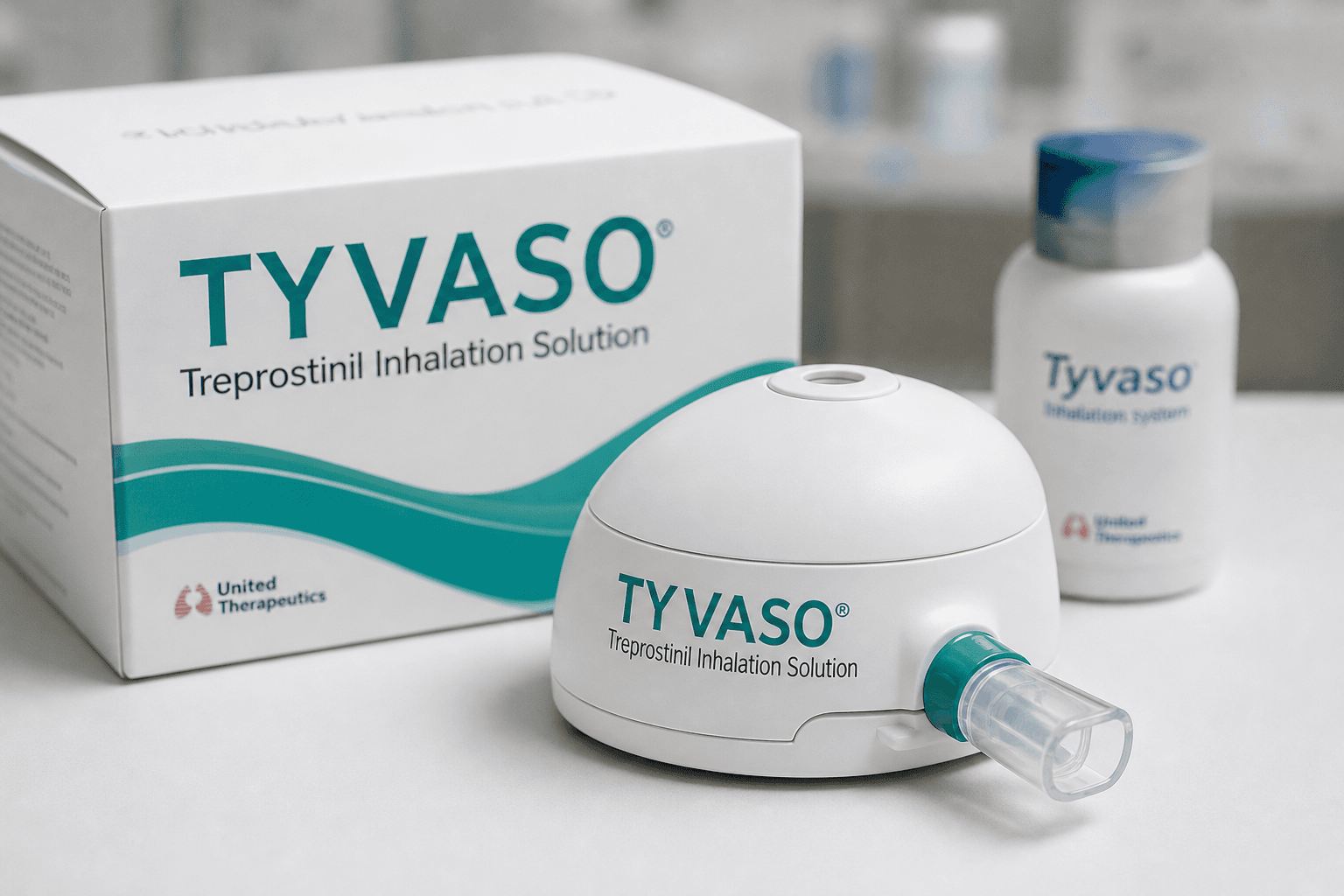
United Therapeutics, Liquidia Reach $380 Million Settlement, Ending Tyvaso Patent Dispute
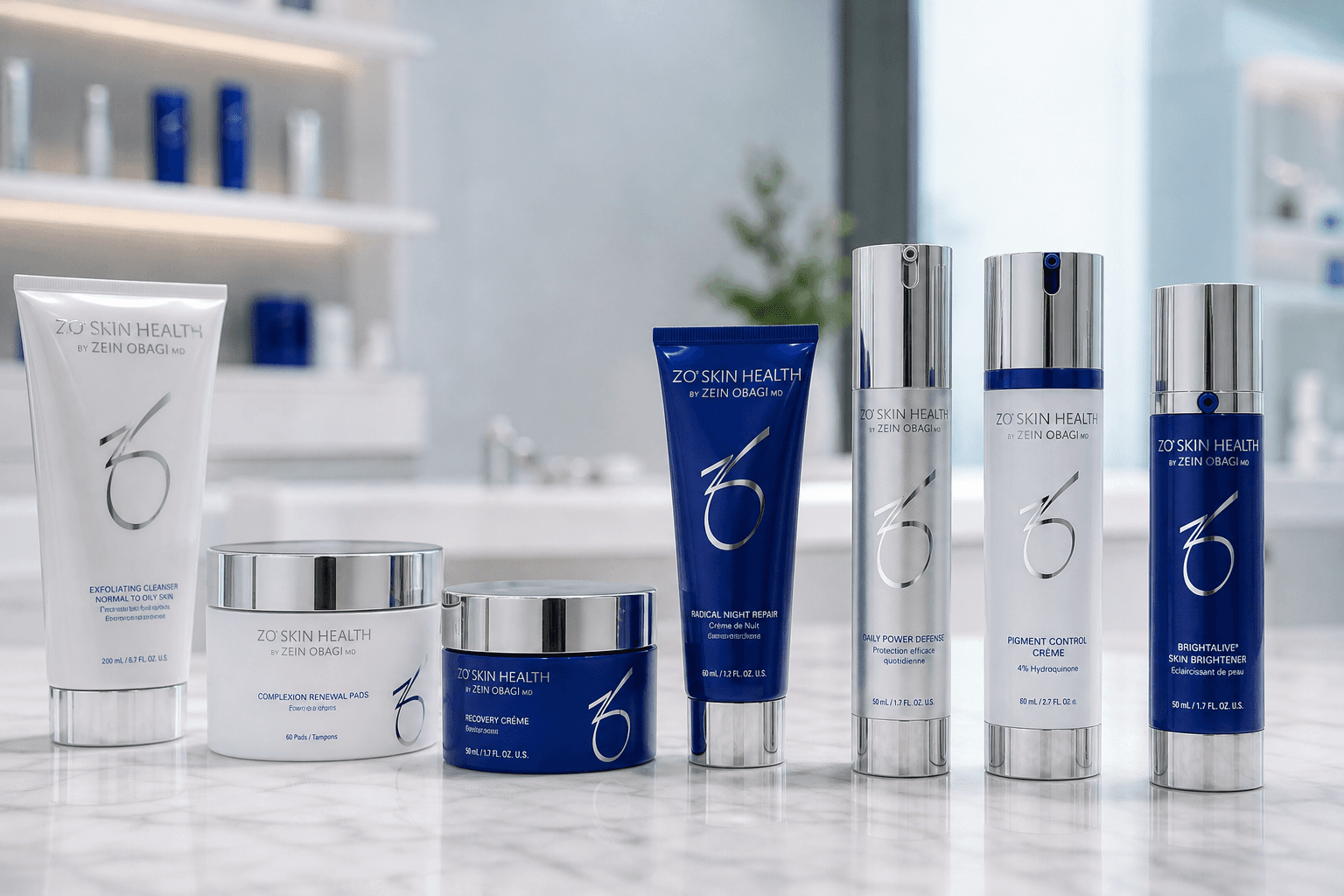
Galderma to Expand Dermatology Portfolio With $1.5 Billion Acquisition of Zo Skin Health
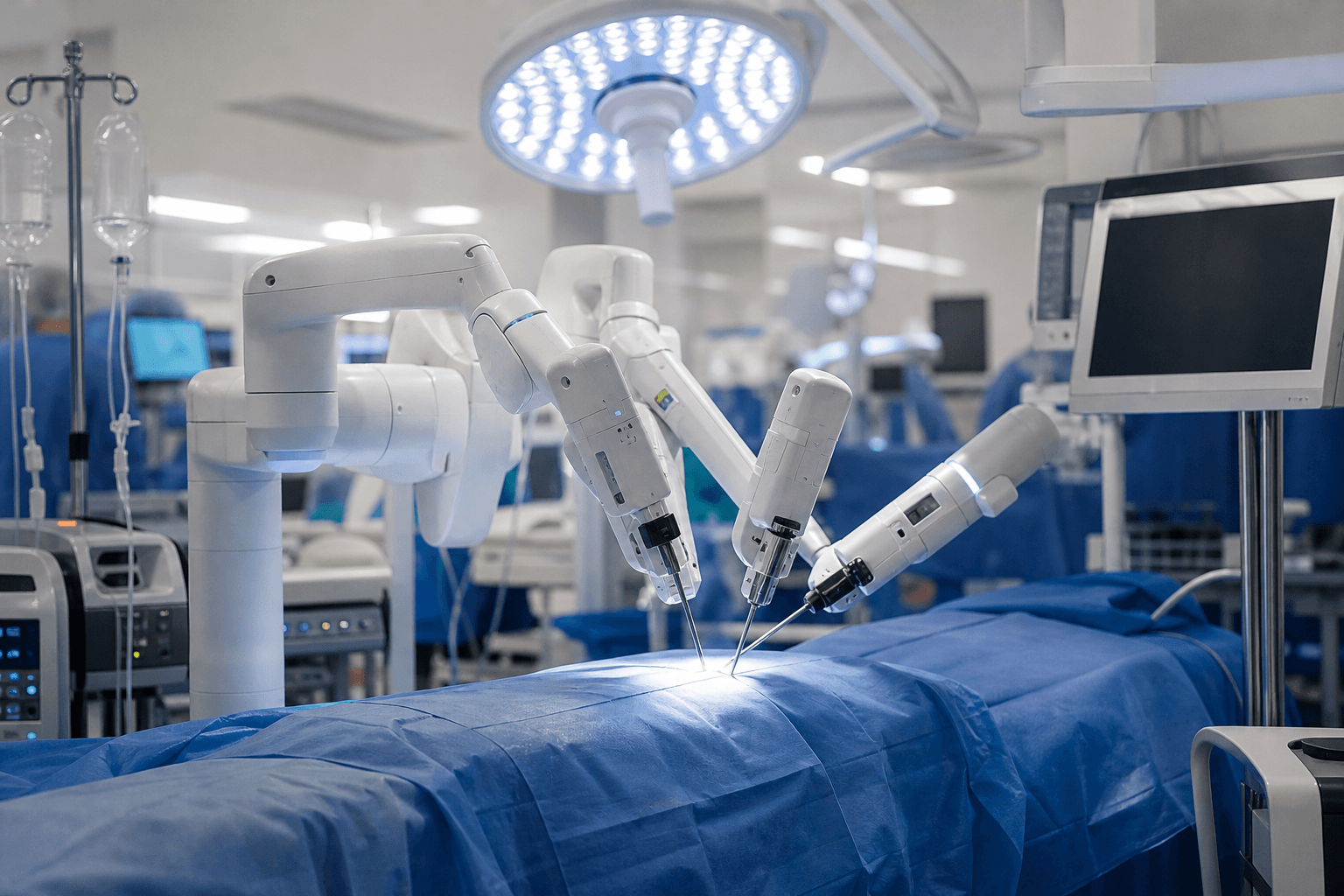
Stryker invests $400 million in CMR Surgical, secures exclusive U.S. sales rights for surgical robot
Vera signs deal with Gilead worth up to $1.9 billion, sees 'opportunity for additional deals'
Zealand partners with ‘AI protein’ developer Generate in $1.6 billion deal to expand obesity drug pipeline

Remed to Issue 10 Billion Won in Convertible Bonds to Fund Expansion in North America, Japan and Europe



