
Policy & Regulation
SME ministry seeks to newly designate four regulatory-free zones, including Gyeongbuk and Jeonbuk Regulations on medical cannabis cultivation and clinical trials involving companion animals expected to be eased

The government is pursuing the designation of regulatory-free zones in the bio sector, including allowing medical cannabis cultivation in Gyeongbuk and easing regulations on clinical trials involving companion animals in Jeonbuk.
According to the Ministry of SMEs and Startups on the 5th, the ministry held the 25th Regulatory-Free Special Zone Regulatory Exceptions Deliberation Committee meeting the previous day and said it is proceeding with the designation of new regulatory-free zones for 2026.
The proposed new designations include a large number of bio-sector zones. Gyeongbuk is expected to be designated as a special zone where cannabis cultivation and use for limited medical product development purposes will be permitted.
In Jeonbuk, the special-zone designation is being pursued to expand the types of products eligible for clinical trials involving companion animals and simplify toxicity-testing procedures.
In addition, Gyeongnam is expected to be designated as a special zone for demonstrating bidirectional hydrogen power generation, while Ulsan is expected to be designated as a special zone for recycling industrial waste plastic into petroleum-substitute fuels. Two sites in Gyeongbuk and one in Jeonnam will each undergo designation procedures as global innovation special zones.
Regulatory-free zones are a system that supports demonstrations in new-industry sectors by applying regulatory sandboxes, including rapid regulatory confirmation, demonstration special cases and temporary permits. Since their introduction in 2019, a total of 49 special zones have been designated and 136 regulatory exceptions have been granted.
The Ministry of SMEs and Startups said that a total of 62 laws and regulations had been revised through special-zone demonstrations as of May 2026. In the Gyeongbuk Battery Recycling Special Zone, designated in 2019, participating company EcoPro also achieved results by building up its technological capabilities and entering global markets.
Han Seong-sook, minister of SMEs and startups, said, “We will pursue bold regulatory improvements in advanced-industry sectors such as bio and climate tech,” adding, “We will continue to advance the system while representing small and midsize enterprises and venture companies so that these results can lead to ‘smart regulation.’”
The agenda items discussed at this deliberation committee meeting are scheduled to be submitted to the Regulatory-Free Special Zone Committee, chaired by the prime minister, at the end of this month for final approval.
BIOBOOK TEAM
biobookmedia@biobook.co.kr
MFDS to Use AI for Vaccine Release and Process Validation, Shifting From Post-Production Testing to Real-Time Prediction
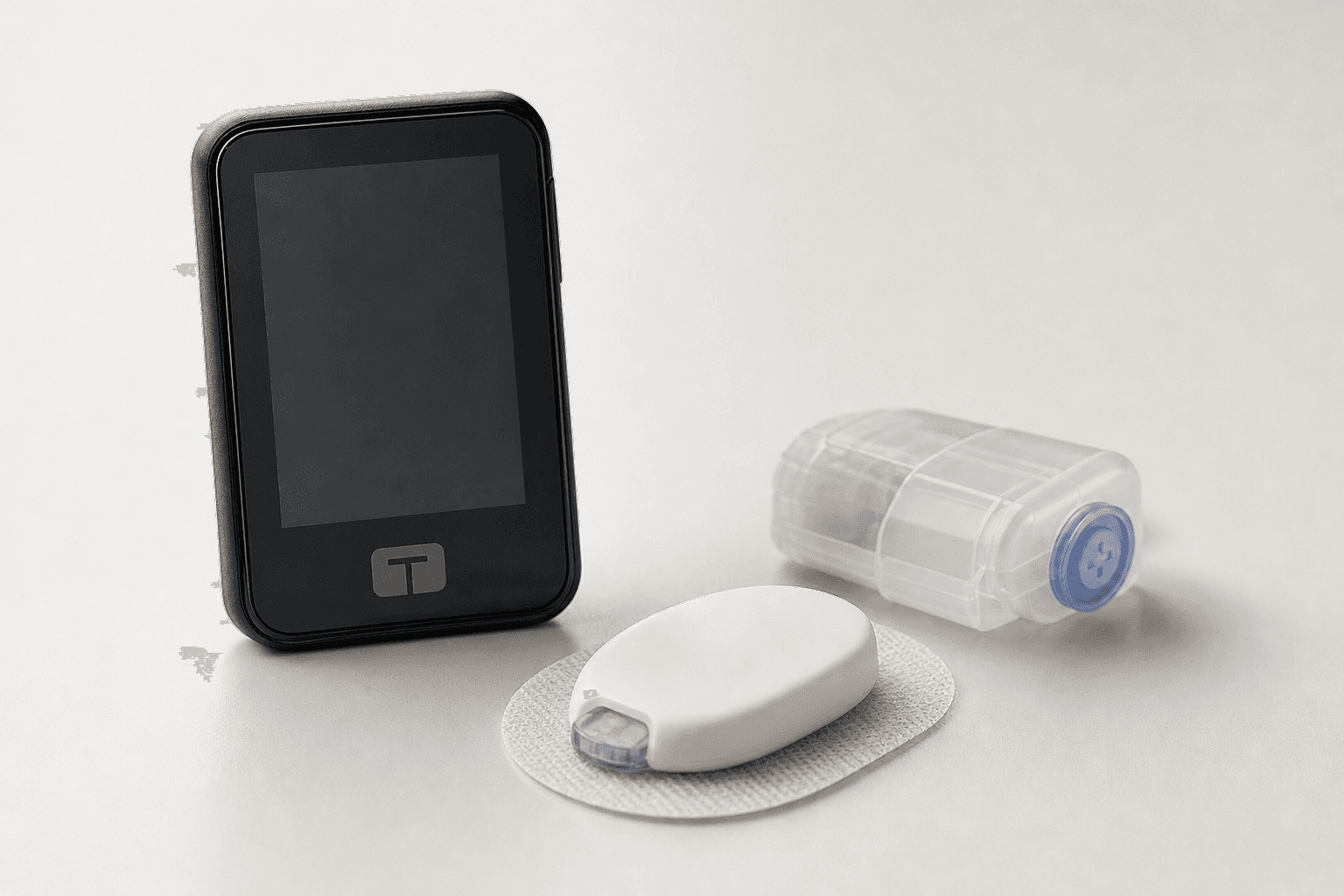
Tandem’s tubeless insulin pump wins FDA approval, with wear time of up to 7 days
‘Speed Race’ for Innovative Medical Devices Stalls at Health Insurance Reimbursement Hurdle

The ‘Valley of Death’ for Infectious Disease Treatments: Cross-Agency Coordination Is Key
Mounjaro Costs 59,000 Won in Japan, 300,000 Won in Korea, Sparking Price Debate
SME Ministry aims to develop 20 AI startups valued at 1 trillion won by 2030


