
Policy & Regulation
Congress introduces bill to block biotech investment and technology transfers to China Industry strongly objects, saying it “will destroy the U.S. biotech industry”

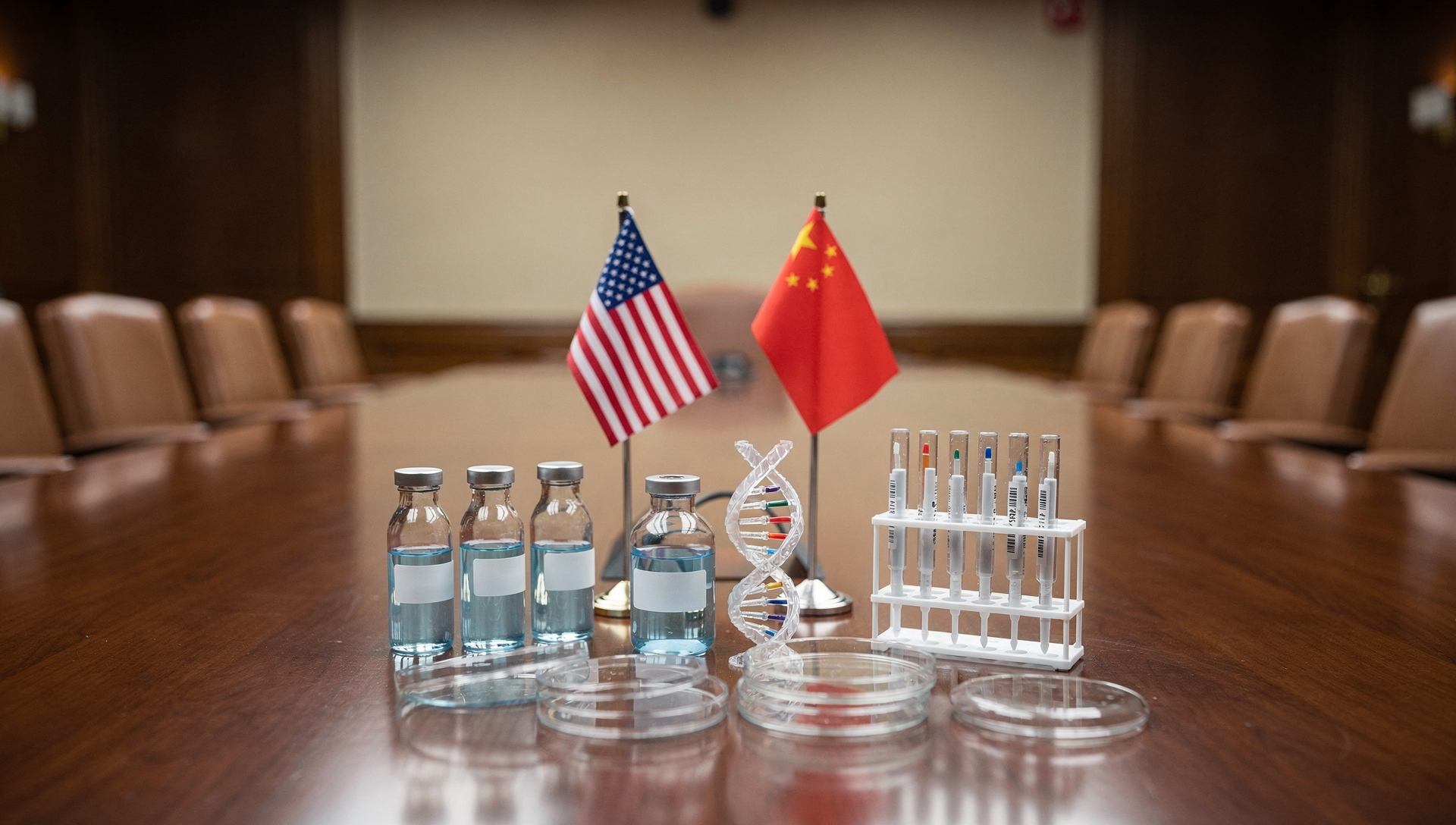
The U.S. Congress has introduced a sweeping regulatory bill to prevent U.S. capital and technology from flowing into China’s biotech industry, intensifying the U.S.-China competition for biotech leadership.
According to biotech publication Fierce Pharma on the 4th (local time), Rep. John Moolenaar, chair of the House Select Committee on the Strategic Competition Between the United States and the Chinese Communist Party, and Rep. Debbie Dingell introduced the Biotechnology Investment National Security Act (BINSA). The bill would subject not only U.S. companies’ investments in China’s biotech sector but also technology-transfer (L/O) agreements to national security review and restrictions.
The bill would expand the review requirements of the existing Comprehensive Overseas Investment National Security Act (COINS) to the biotechnology sector. It covers a broad range of activities, including drug development, biopharmaceutical manufacturing, and clinical research and development. If enacted, technology-transfer agreements between U.S. and Chinese companies, the establishment of joint ventures (JVs), and equity investments would all require review by the U.S. Department of the Treasury.
In a statement announcing the bill, Moolenaar directly cited Pfizer and Bristol Myers Squibb (BMS), criticizing them for “engaging in risky transactions with Chinese biotech companies that threaten the future of U.S. pharmaceutical manufacturing.” He argued that “if we allow the overseas relocation of the biotech industry to continue unchecked, we will hand China the economic lifeline and hollow out the U.S. research base.”
In fact, the scale of biotech cooperation between the United States and China has grown explosively. The value of biopharmaceutical technology-transfer agreements between the two countries surged from less than $5 billion in 2020 to approximately $136 billion in 2025, or about 196 trillion won. For example, BMS entered into a $15.2 billion, or about 22 trillion won, early-stage molecule co-development agreement with China’s Hengrui Pharmaceuticals.
China’s standing in the biotech industry has also changed significantly. According to market research firm Evaluate, the average upfront payment in technology-transfer agreements between Western pharmaceutical companies and Chinese companies rose 230% in four years, from $52 million in 2022 to $172 million in early 2026. At the recent American Society of Clinical Oncology (ASCO) meeting, Akeso Biopharma’s lung cancer drug ivonescimab was also presented in a plenary session—the first Chinese data to be presented there.
However, strong opposition has emerged from the U.S. investment industry, which argues that the bill could instead become a “self-defeating move” that hampers the U.S. biotech industry. Peter Kolchinsky, managing partner at RA Capital, warned in an interview with Fierce Pharma that “banning China will destroy the U.S. biopharmaceutical industry without providing any benefit.”
Kolchinsky said, “If U.S. companies are deprived of efficiencies that other companies can use in competitive markets, we will surrender global leadership,” adding that “this runs counter to the basic principles of competition.” Rather than blocking China’s structural advantages, such as its ability to conduct clinical trials at low cost and high efficiency, he argued that the United States should leverage them to advance its own industry.
He went on to emphasize that the biotech industry differs from other manufacturing sectors. Kolchinsky said, “If the U.S. Food and Drug Administration (FDA) were to reject approval of a new drug simply because the idea was licensed from China or early research was conducted in China, U.S. patients would rise up and ask, ‘Is this in my best interest?’” He predicted that patients’ voices would ultimately carry the greatest influence.
BIOBOOK TEAM
biobookmedia@biobook.co.kr
MFDS to Use AI for Vaccine Release and Process Validation, Shifting From Post-Production Testing to Real-Time Prediction
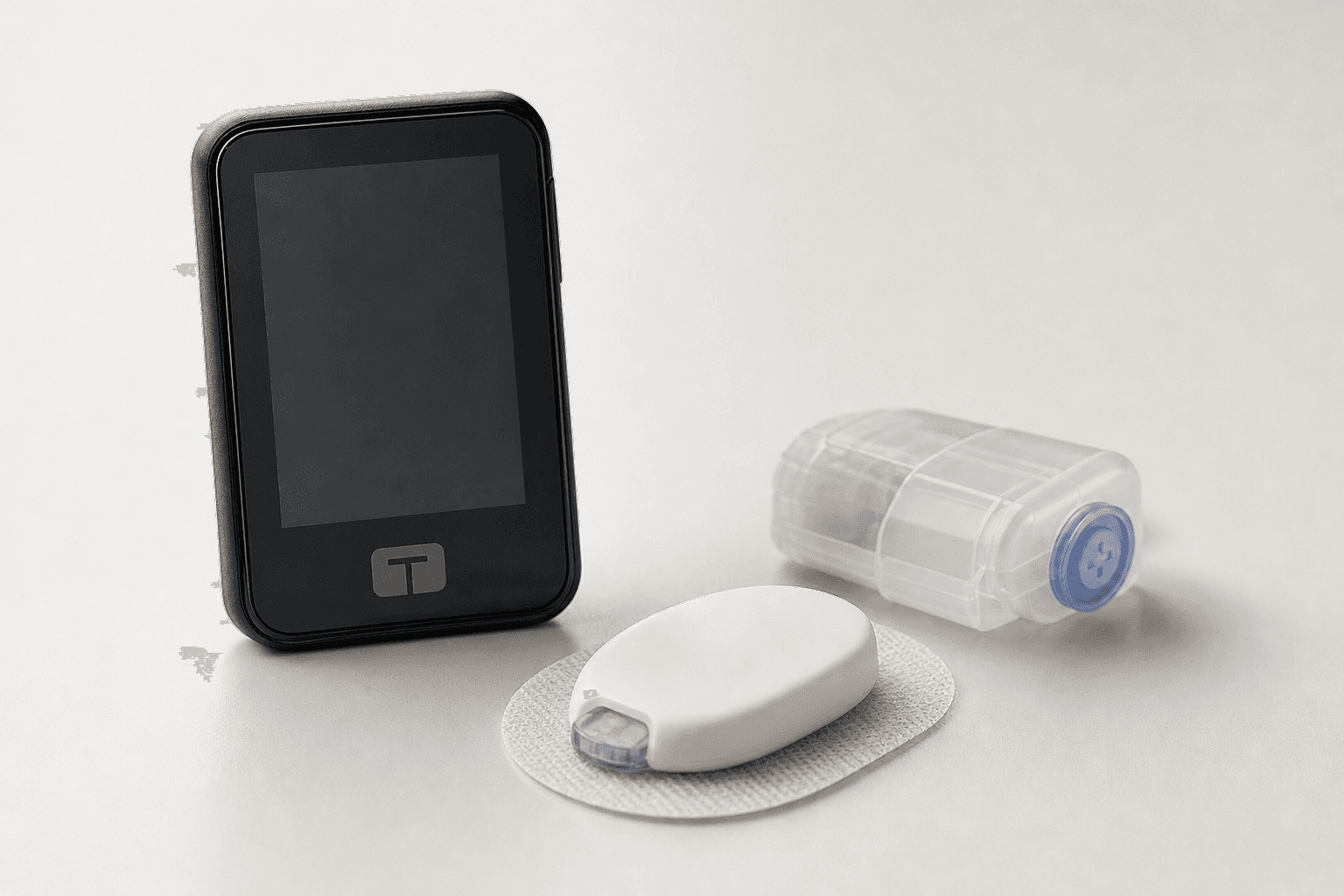
Tandem’s tubeless insulin pump wins FDA approval, with wear time of up to 7 days
‘Speed Race’ for Innovative Medical Devices Stalls at Health Insurance Reimbursement Hurdle

The ‘Valley of Death’ for Infectious Disease Treatments: Cross-Agency Coordination Is Key
Mounjaro Costs 59,000 Won in Japan, 300,000 Won in Korea, Sparking Price Debate
SME Ministry aims to develop 20 AI startups valued at 1 trillion won by 2030


