
Market
Fewer than one-third of clinical protocols linked to patient data AI repeats and magnifies errors by learning from historical data without human judgment


An analysis found that artificial intelligence (AI) may amplify and reproduce errors rather than resolve defects in clinical trials.
According to the biotech news outlet Fierce Biotech on the 19th (local time), clinical trial data company Phesi said in a recent report that fewer than one-third of clinical trial protocols were linked to actual patient data and outcomes. An analysis of 600,000 clinical protocols found that only 29.3% showed an association with patient data.
A similar pattern appeared in oncology clinical trials. Of 116,746 oncology trials, only 30.9% were linked to usable patient data. Even breast cancer, the most extensively studied disease in the world, showed a connection to actual patient data in only 31.2% of 15,977 trials.
Phesi pointed out that when there is no link between clinical trial design and actual patients, incorrect decisions are likely to be repeated throughout the clinical development process. Because many protocols are designed based on previous clinical trials, problems are likely to recur if the source trial is disconnected from the patient population.
AI use was identified as a factor that could worsen these problems. Jen Li, founder and CEO of Phesi, said, "In the past, protocol authors could apply human judgment to assess the relationship between the design and the target patient population." He added, "AI can learn from far more historical data, but without sound logic or judgment, it may fail to create that link," meaning that "rather than resolving defects, it amplifies them."
According to the report, some trial designs also limit patient recruitment and data collection, resulting in outcomes that are not reported. When there is no connection between a protocol's intent and what happens to patients, it is difficult to determine which designs are effective and why they fail.
Phesi warned that sponsors relying too heavily on AI may risk reusing trial designs that previously struggled with or failed to recruit patients. Clinical trial failures can cause sponsors substantial financial damage.
Li emphasized, "There is a tremendous opportunity for AI to optimize clinical development, but this is possible only when the platform underlying the AI can identify protocols involving actual patients and reported outcomes."
BIOBOOK TEAM
biobookmedia@biobook.co.kr
AstraZeneca’s new myasthenia gravis drug, cligepa, approved simultaneously in U.S. and EU
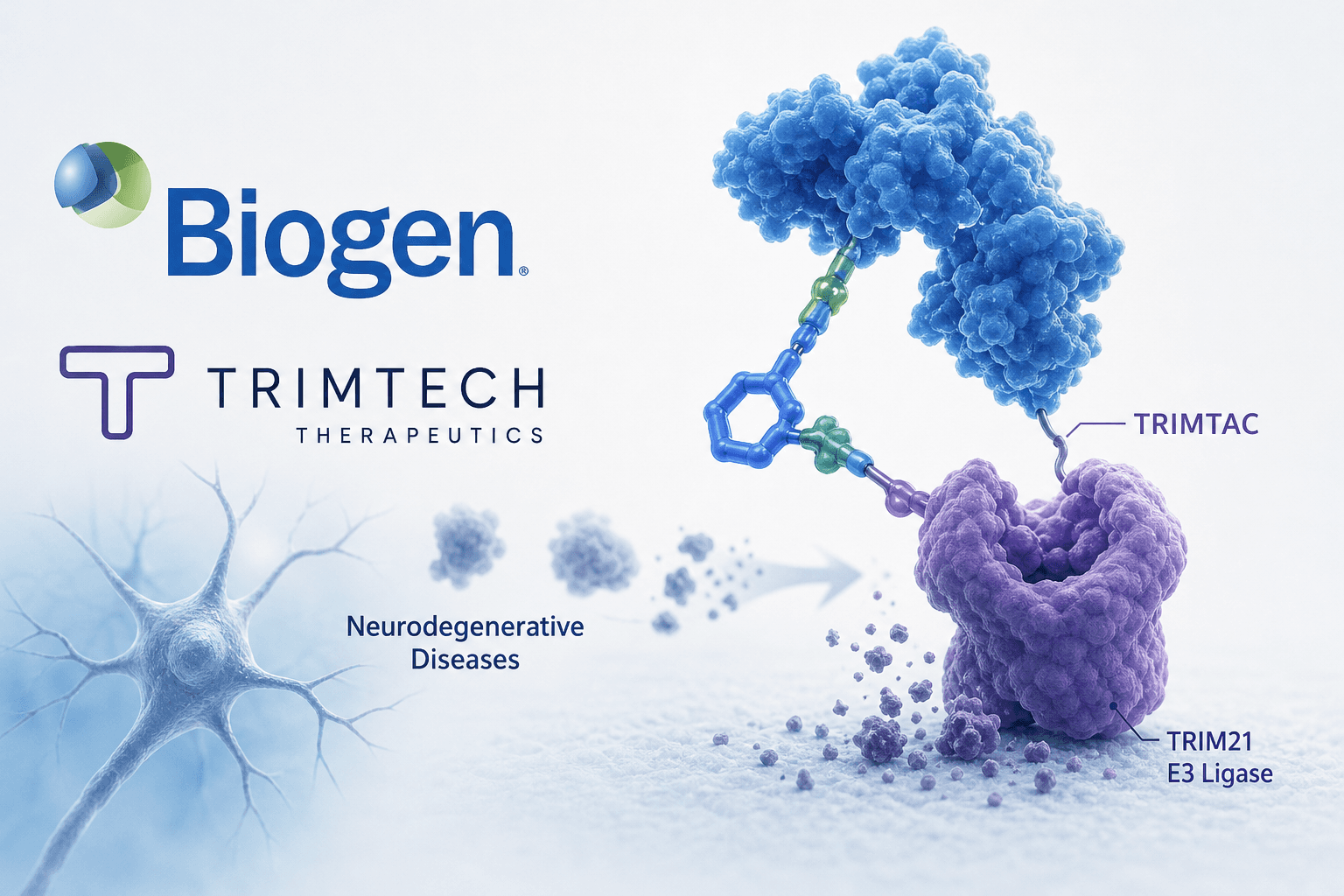
Biogen Invests $411 Million in Neurodegenerative Disease Drug Development
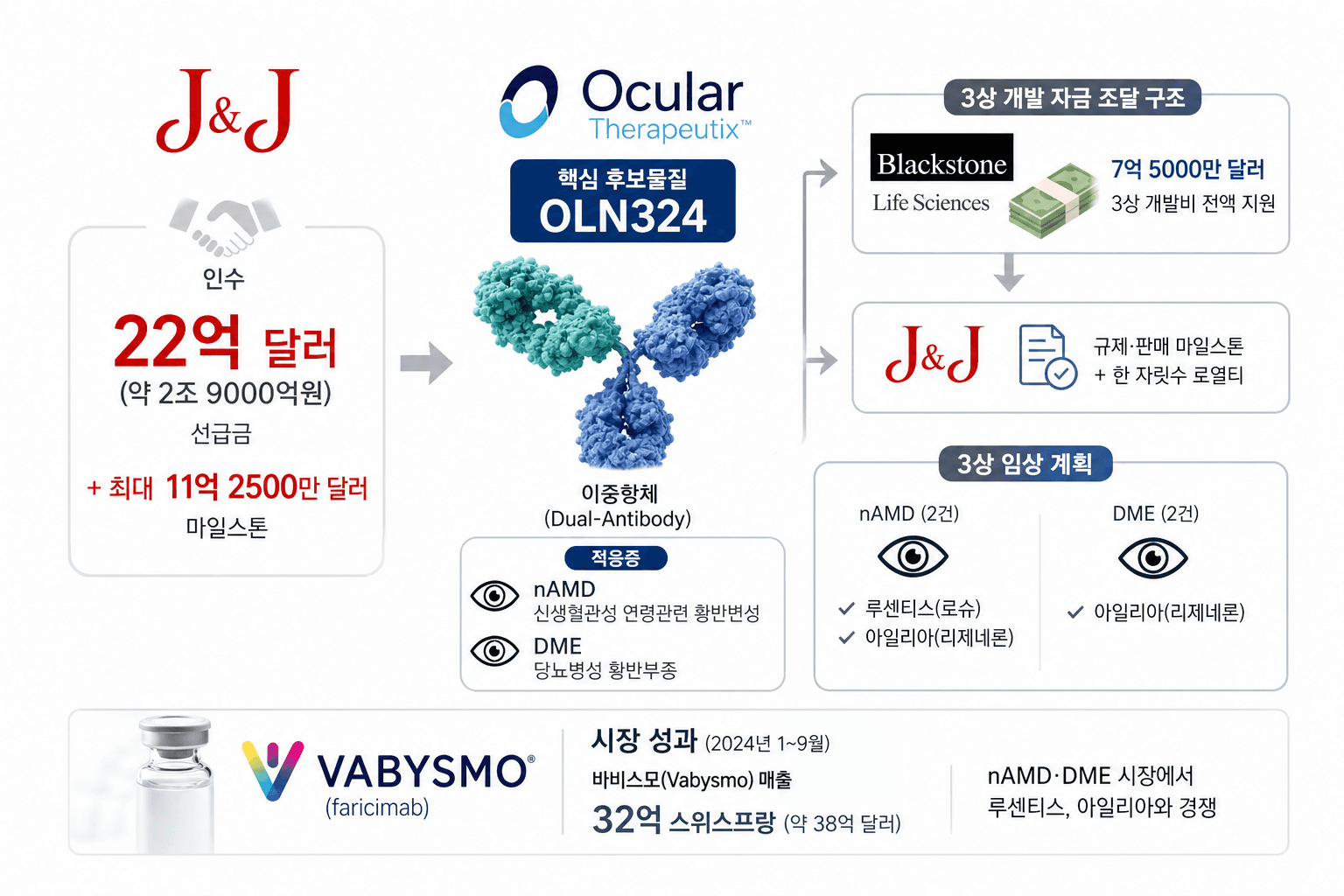
J&J to acquire Olin for $2.9 billion, taking on Roche’s Vabysmo
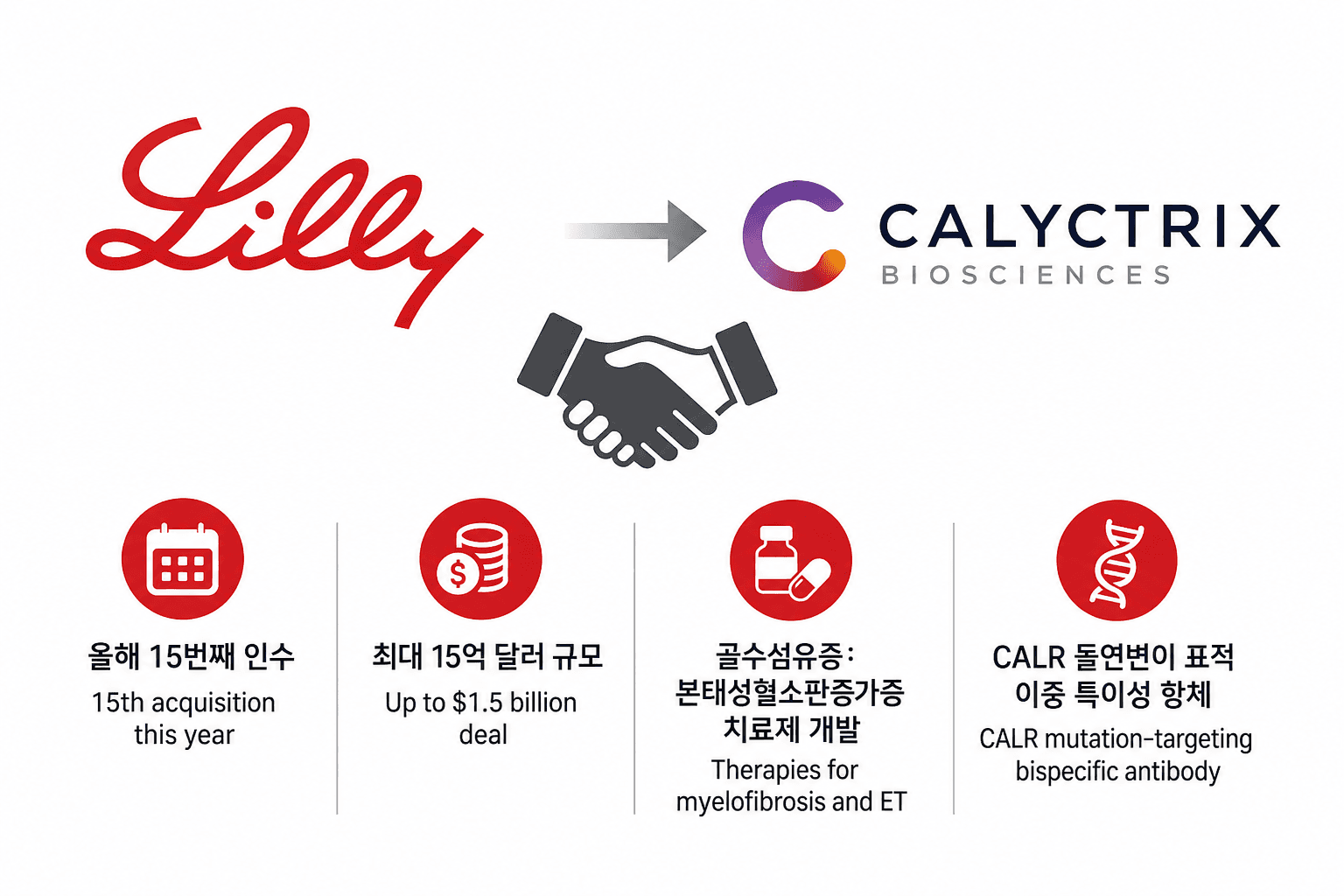
Lilly acquires rare blood cancer drug startup for up to $1.5 billion, its 15th deal this year

Seawolf Secures $100 Million and Signs $1.2 Billion DNA Therapeutics Deal With Sanofi

ROKIT Healthcare to Acquire Insolvent Rehabilitation Company for 7 Billion Won, Betting on a Platform


