
Market
U.S. jury finds Takeda conspired to delay generic version of constipation drug Amitiza Takeda says it will appeal; damages could triple under antitrust law


Takeda has been ordered to pay more than 1 trillion won in damages after being found liable for colluding with a competitor to block the launch of a generic version of its constipation treatment.
According to pharmaceutical trade publication Fierce Pharma and others on May 19 local time, a jury in the U.S. District Court for the District of Massachusetts ordered Takeda to pay $885 million (approximately 1.2744 trillion won) in damages. This is the first case in which a pharmaceutical company has been found liable in a lawsuit involving “pay-for-delay” agreements to postpone the launch of a generic drug.
The class-action lawsuit was filed in 2021 by major pharmacies, insurers and retailers, including CVS and Walgreens. They alleged that Takeda’s collusion forced them to pay more for the constipation drug Amitiza.
In particular, the damages award could increase by as much as threefold in the final judgment under antitrust law. If so, total damages could reach approximately $2.5 billion (approximately 3.6 trillion won). Takeda said the verdict will not be final until the court issues its final judgment.
Takeda issued a statement immediately after the verdict, saying it would appeal. The company emphasized, “There were evidentiary and legal errors during the trial,” adding, “We remain convinced that the plaintiffs’ claims lack merit and will vigorously pursue an appeal.”
The case dates back to 2014. At the time, Takeda and its partner Sucampo Pharmaceuticals paid $210 million (approximately 302.4 billion won) to Par Pharmaceutical to settle patent litigation. The agreement delayed the launch of a generic version of Amitiza until 2021.
Hagens Berman, the law firm representing the plaintiffs, said, “This delay resulted in hundreds of millions of dollars in overcharges for customers.” Attorney Christine Johnson said, “The jury understood that paying to exclude a competitor from the market harms competition and the U.S. health care system.”
Takeda, however, has argued that the agreement allowed a generic to launch more than six years before the expiration of its own patent.
Amitiza was first approved in 2006. In fiscal year 2020, when the generic was launched, Amitiza sales totaled 21.2 billion yen (approximately 275 billion won), down about 25% from 28.1 billion yen (approximately 364.3 billion won) the previous year. Takeda no longer sells the drug because its licensing agreement with Sucampo ended in 2024.
Biobook Team
biobookmedia@biobook.co.kr
Lotte Biologics Wins First Large-Scale Commercial Manufacturing Contract, Establishing Revenue Base
AstraZeneca’s new myasthenia gravis drug, cligepa, approved simultaneously in U.S. and EU

Biogen Invests $411 Million in Neurodegenerative Disease Drug Development
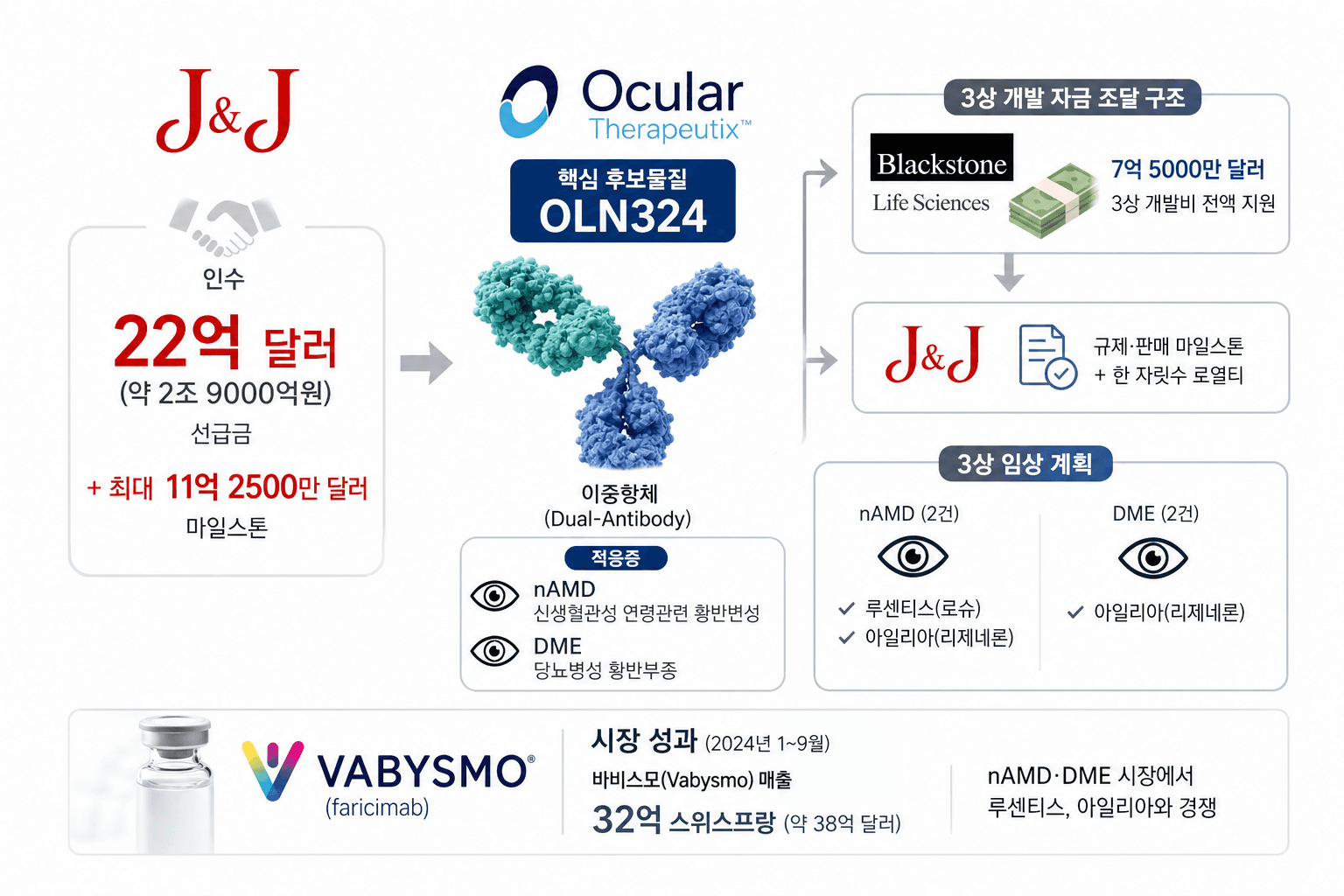
J&J to acquire Olin for $2.9 billion, taking on Roche’s Vabysmo
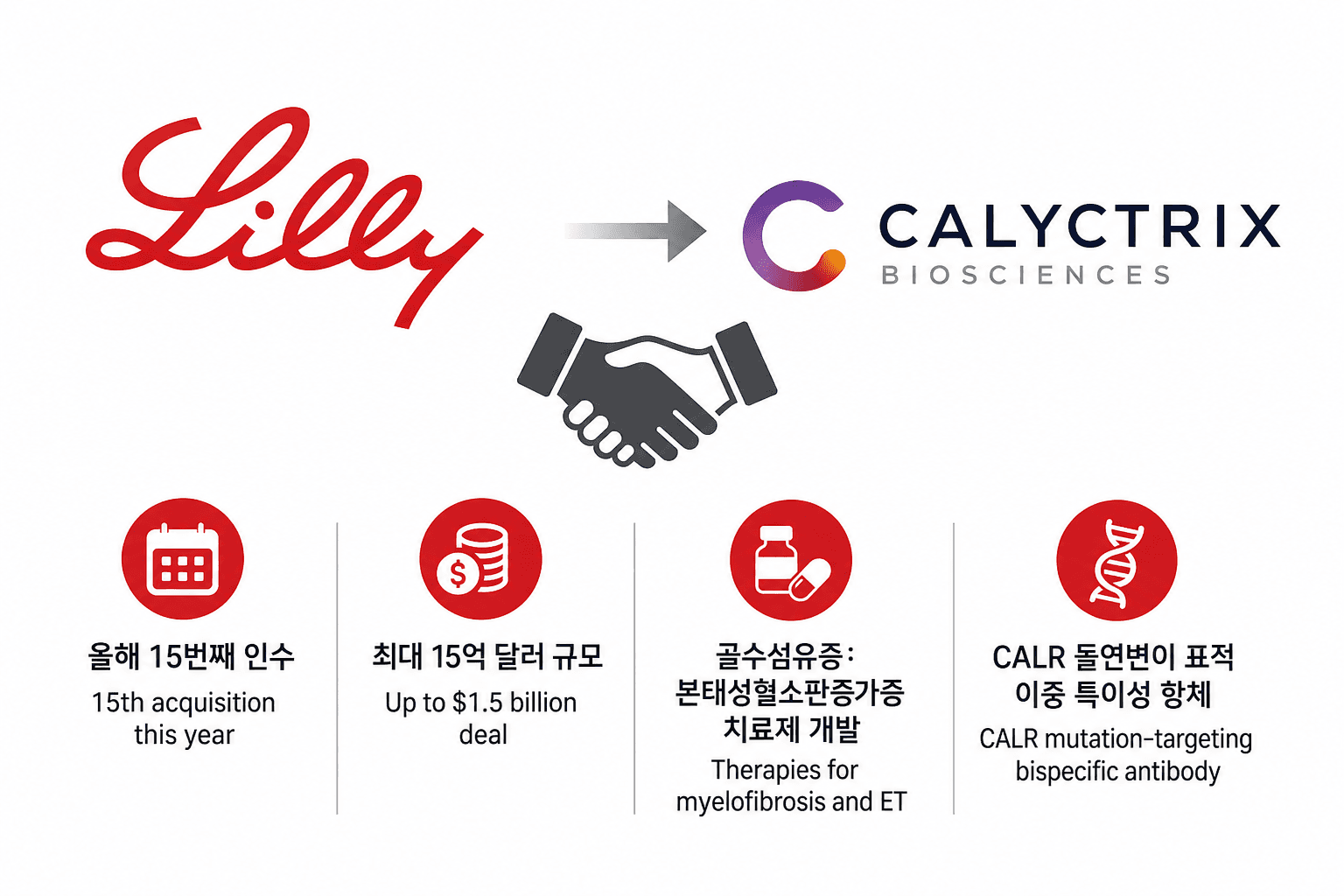
Lilly acquires rare blood cancer drug startup for up to $1.5 billion, its 15th deal this year

Seawolf Secures $100 Million and Signs $1.2 Billion DNA Therapeutics Deal With Sanofi


