
Market
Adopts Parabilis’ Helicon platform to develop antibody-Helicon conjugates Technology partnership worth approximately $2.4 billion, including an $130 million upfront payment

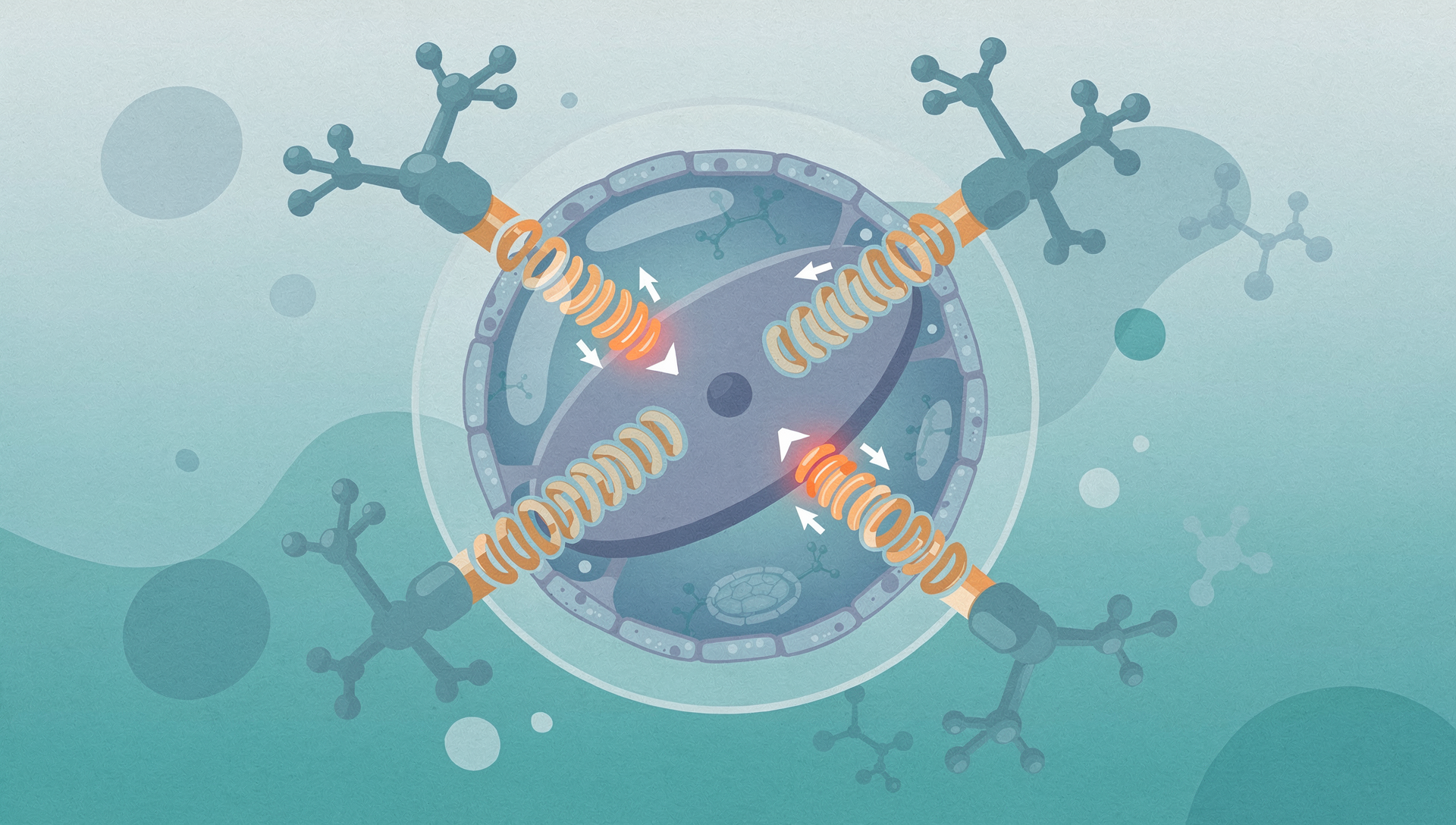
Regeneron has signed a large-scale agreement worth approximately $2.4 billion with Parabilis Medicines to develop antibody-drug conjugate (ADC)-like therapeutics that target sites that have been difficult to reach with existing drugs.
According to biotech publication Fierce Biotech on the 18th local time, Regeneron agreed to pay Parabilis a total of $125 million, including a $50 million upfront payment and a $75 million equity investment. The company could pay up to an additional $2.2 billion in milestones for five targets.
The key to the agreement is Parabilis’ Helicon peptide platform. Helicon is a cell-penetrating, alpha-helical peptide that can bind to intracellular protein targets with flat surfaces, which are difficult for conventional small-molecule compounds to bind.
Regeneron said it plans to explore Helicon as a monotherapy but will focus particularly on developing “antibody-Helicon conjugates (AHCs).” Similar to ADCs, AHCs use antibodies to deliver a Helicon payload to the target site.
This approach is expected to enable the selective modulation of intracellular proteins previously considered “undruggable.” Under the agreement, Regeneron will be responsible for developing and commercializing newly discovered Helicons and AHCs.
George Yancopoulos, Regeneron’s chief scientific officer (CSO), said, “Combining Helicon with our antibodies to precisely deliver it to target cells has the potential to create an entirely new class of therapeutics across multiple treatment areas.”
Parabilis is a Massachusetts-based biotechnology company that changed its name from FogPharma. It raised $305 million in a Series F financing round in January and is preparing for a phase 3 clinical trial of its lead pipeline candidate, the Wnt/β-catenin pathway inhibitor “zoruciclib,” in desmoid tumors.
Meanwhile, Regeneron has recently experienced some setbacks, including its LAG-3 inhibitor “fianlimab” failing to compete with “Keytruda” in a phase 3 melanoma trial.
BIOBOOK TEAM
biobookmedia@biobook.co.kr
AstraZeneca’s new myasthenia gravis drug, cligepa, approved simultaneously in U.S. and EU
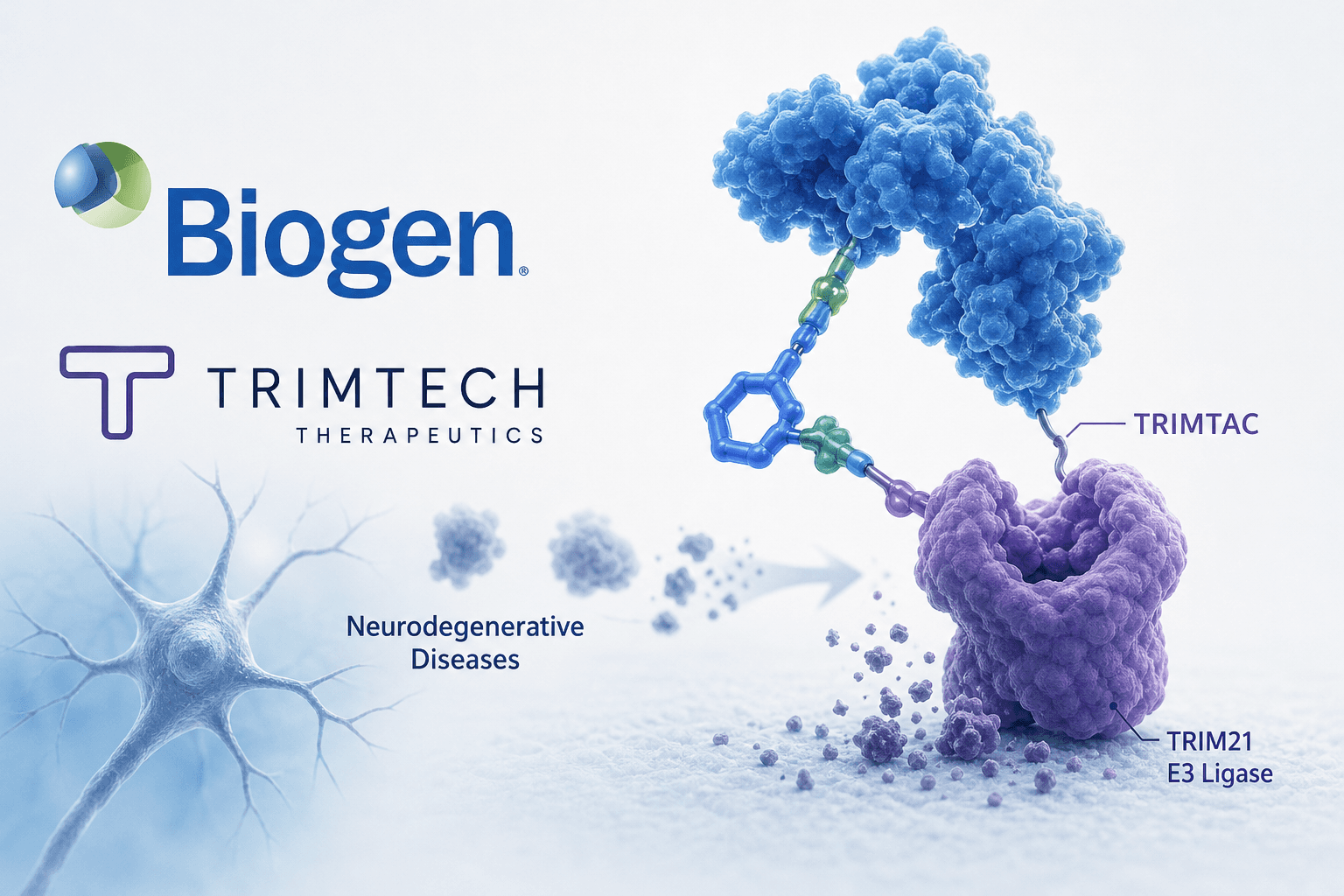
Biogen Invests $411 Million in Neurodegenerative Disease Drug Development
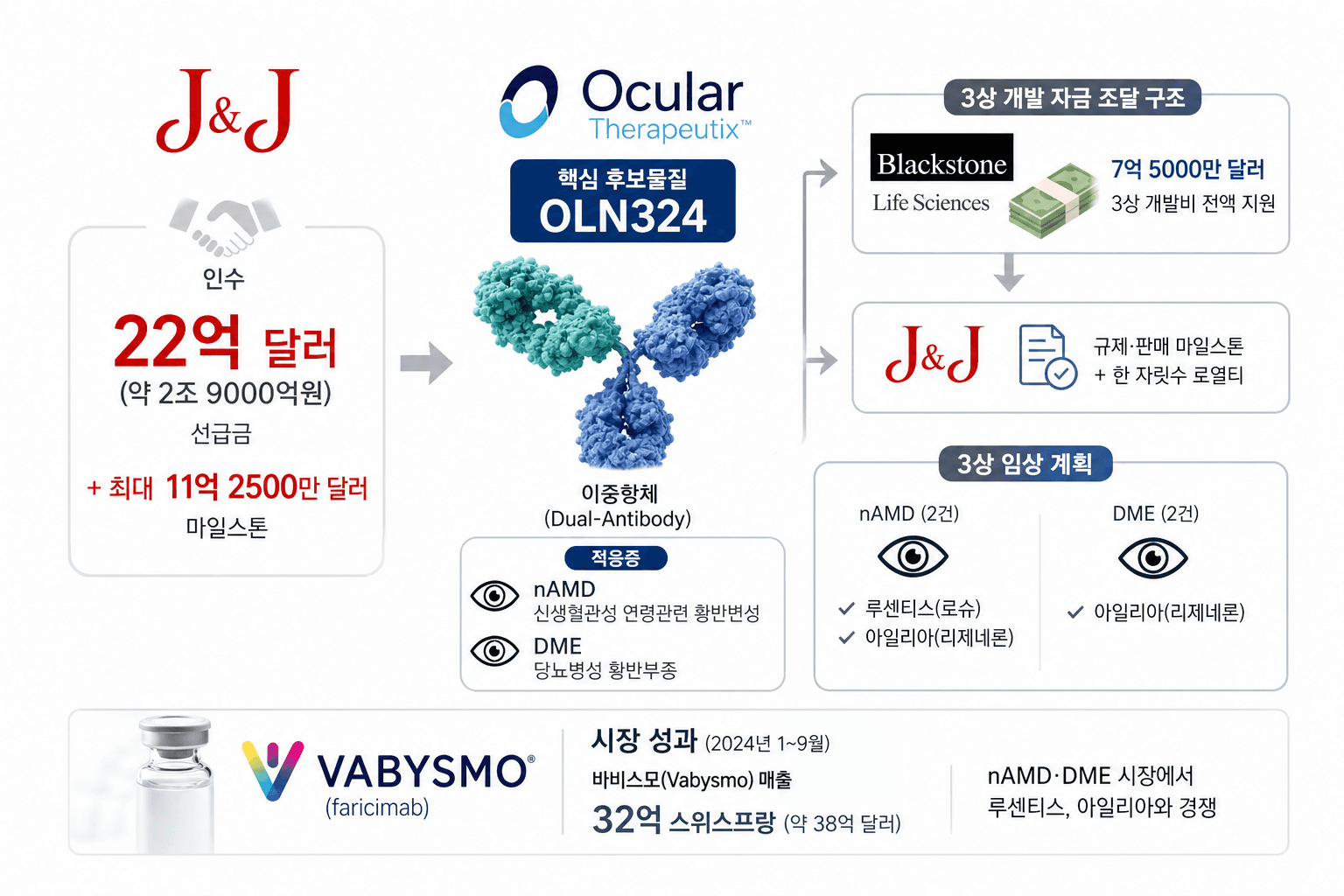
J&J to acquire Olin for $2.9 billion, taking on Roche’s Vabysmo
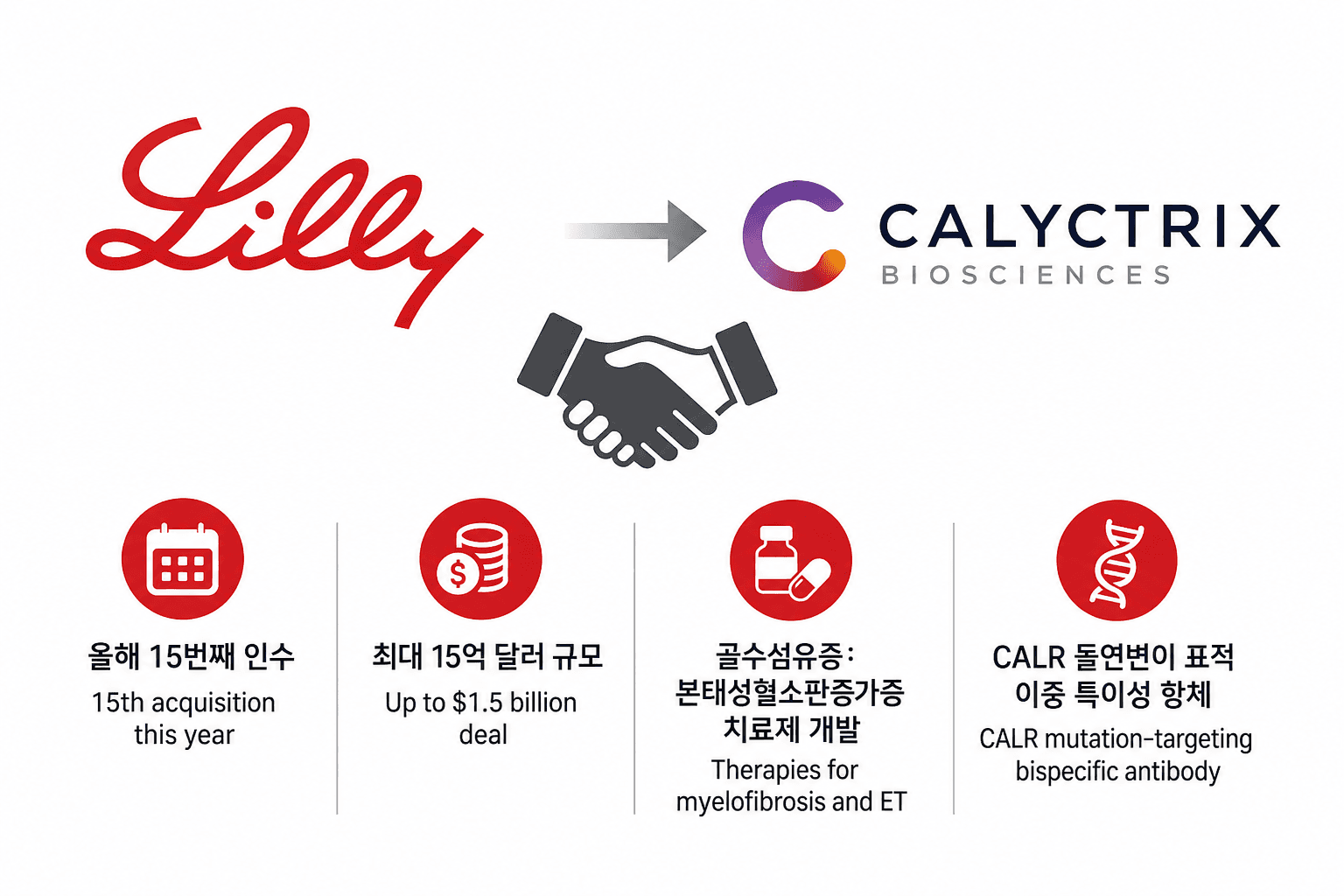
Lilly acquires rare blood cancer drug startup for up to $1.5 billion, its 15th deal this year
Seawolf Secures $100 Million and Signs $1.2 Billion DNA Therapeutics Deal With Sanofi
ROKIT Healthcare to Acquire Insolvent Rehabilitation Company for 7 Billion Won, Betting on a Platform


