
Science
Analysis of 245 Korean patients lays groundwork for interpreting variants of uncertain significance<br>Study identifies cardiomyocyte-endothelial cell interactions, opening path to personalized treatment

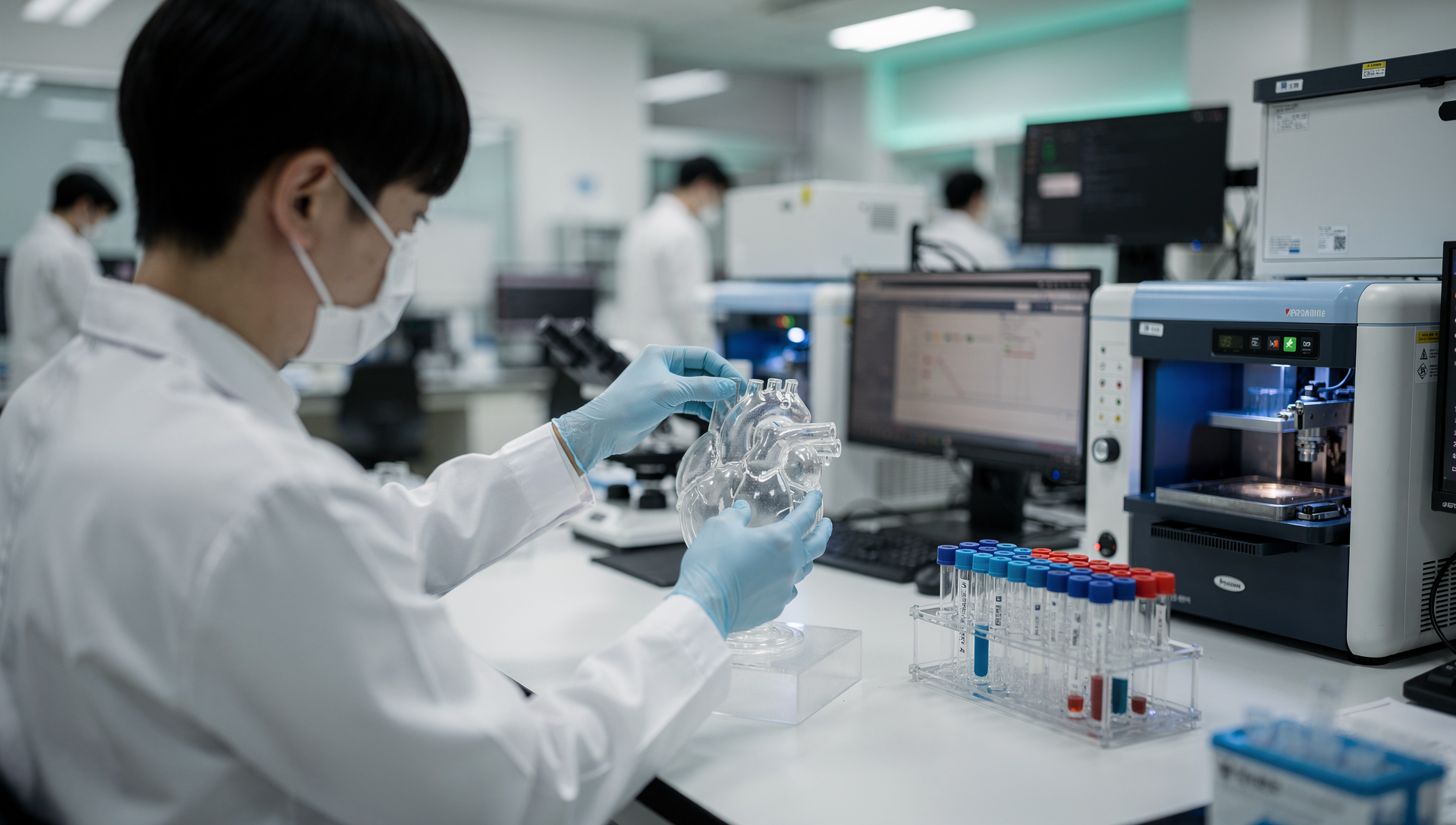
Photo provided = AI-generated image
The Korea Disease Control and Prevention Agency’s National Institute of Health has identified key genes and cell-cell interactions involved in cardiomyopathy of unknown cause through multiomics analysis.
The National Institute of Health said on the 9th that it had identified 144 genes associated with the disease through a study of 245 Korean patients with cardiomyopathy. The findings were published in the latest issue of the international journal Scientific Reports.
Cardiomyopathy is a disease involving abnormalities in the heart muscle and a major cause of heart failure and sudden death. However, diagnosis and treatment have been challenging because the functions of genetic variants remain unclear. In particular, variants of uncertain significance (VUS) identified through genomic analysis have been difficult to interpret, limiting their clinical use.
The researchers analyzed whole-genome sequencing data from 245 patients, including 48.2% with dilated cardiomyopathy and 47.8% with hypertrophic cardiomyopathy. Using burden testing, they evaluated 3,584 rare variants that had been difficult to interpret with conventional methods and identified 144 key genes closely associated with cardiac development.
The researchers also analyzed single-cell transcriptomic data from 11,664 heart cells. They found that the expression of disease-associated genes was elevated not only in cardiomyocytes, which have been considered the primary cause, but also in cardiac endothelial cells.
In particular, the researchers identified significant interactions between the two cell types. The finding suggests a new possibility that cardiomyopathy may result not from a problem in a single cell type but from abnormal interactions among multiple cell types.
Jeon Jae-pil, director of the Future Medical Research Division at the National Institute of Health, said, "By integrating genomic data with single-cell transcriptomic data, we established a foundation for understanding the biological mechanisms of genetic variants whose functions had been unclear at the cellular level." He added, "We hope this study will offer hope for new targeted treatments for patients with cardiomyopathy of unknown cause."
BIOBOOK TEAM
biobookmedia@biobook.co.kr
Novartis’ Cosentyx approved for 11th indication, becoming first treatment for polymyalgia rheumatica

Oral IL-23-targeting psoriasis drug icotrokinra approved in Brazil; one tablet daily

Aribio’s Oral Alzheimer’s Drug Meets Trial Goal in Monotherapy Group, Slowing Progression by 31%

SELLAS Leukemia Vaccine Extends Survival by 9 Months, Meets Phase 3 Endpoint

Korean Drugmakers Race to Develop Obesity Treatments That Preserve Muscle During Weight Loss
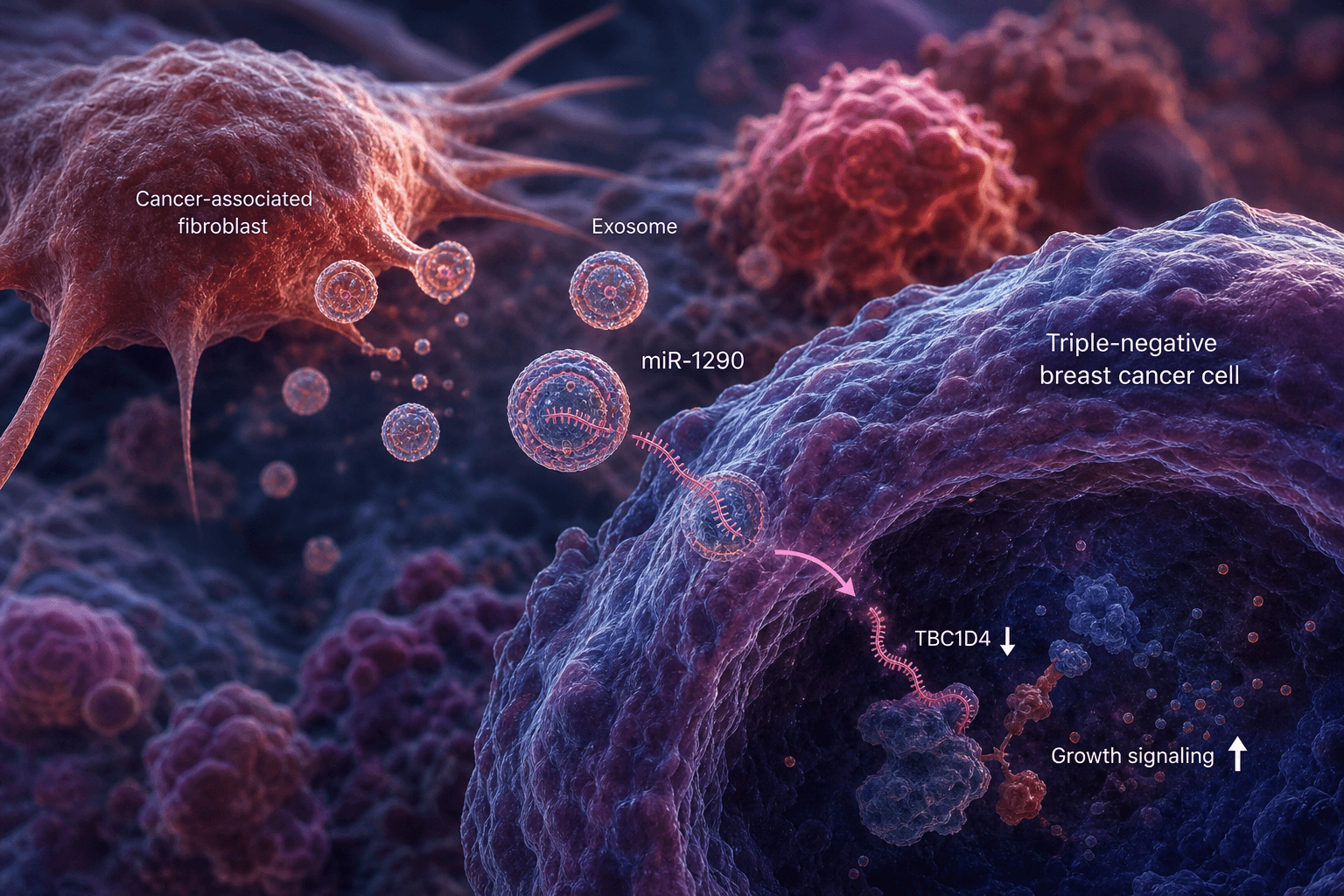
Growth pathway identified in ‘difficult-to-treat’ triple-negative breast cancer, raising potential to repurpose existing drugs


