Science
Noninvasive drug delivery suppresses 98% of tumors while preserving retinal function EGF opens the ocular barrier, presenting a new paradigm for treating retinal diseases

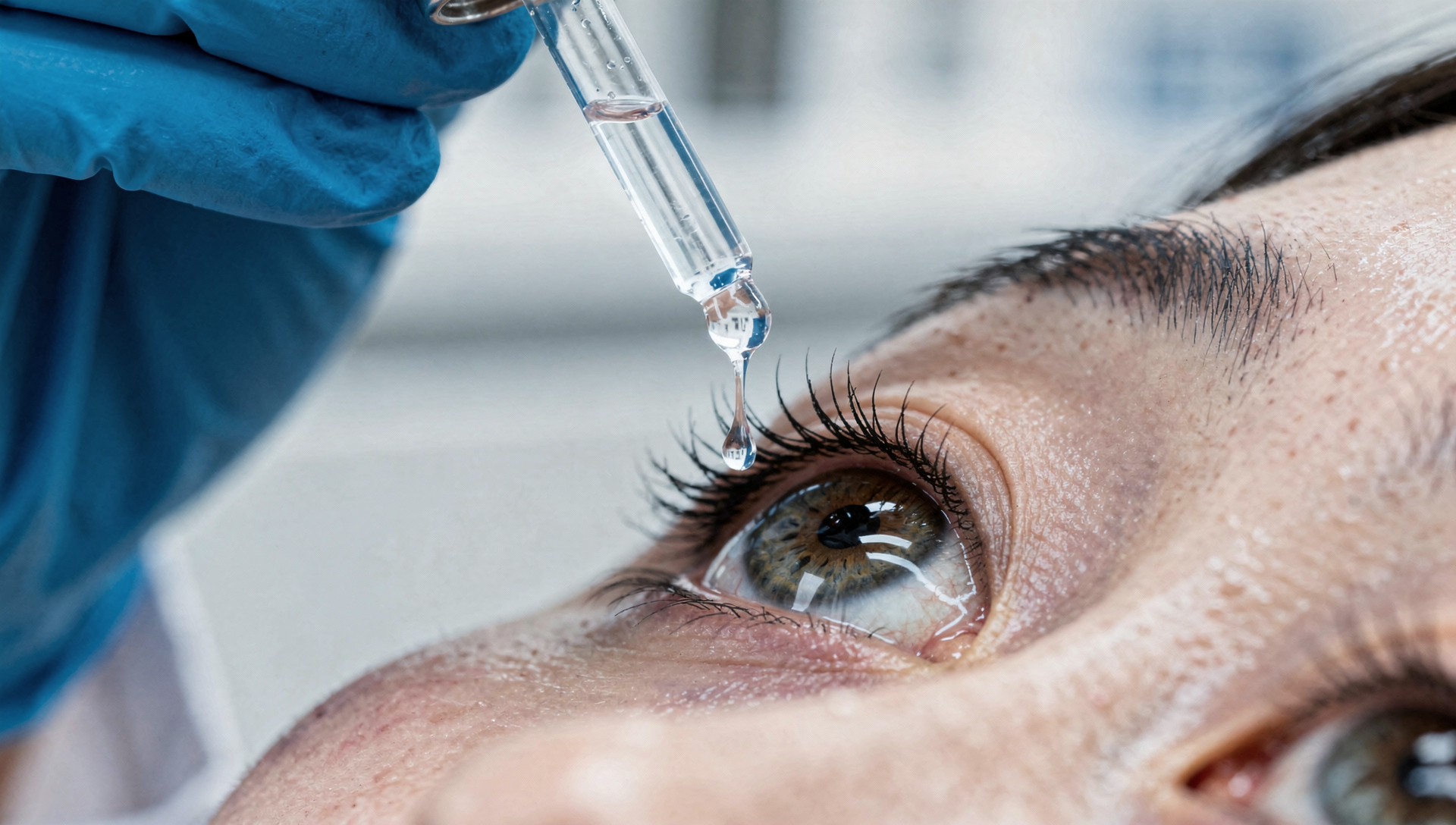
Image provided by=AI-generated image
A noninvasive eye-drop technology has been developed to treat retinoblastoma, a childhood eye cancer, using exosomes derived from semen.
On the 8th (local time), life sciences media outlet azolifesciences reported, citing the international journal Science Advances, that researchers had developed a new strategy for delivering drugs to the back of the eye using semen-derived extracellular vesicles (SEVs). The technology has drawn attention because it effectively suppresses tumors while preserving retinal function.
Retinoblastoma is the most common intraocular malignant tumor in children. Existing treatments may require direct injection of drugs into the eye, radiation therapy or, in severe cases, enucleation, creating substantial risks of damage to delicate ocular structures and systemic adverse effects.
The research team was inspired by the finding that semen-derived exosomes temporarily and reversibly open tight junctions in the ocular barrier, helping drugs penetrate the eye. Exosomes are promising drug-delivery materials because they are highly biocompatible and trigger limited immune responses.
The study found that epidermal growth factor (EGF) contained in the semen-derived exosomes plays a key role. EGF activates a specific signaling pathway (EGFR–Src–MLCK) to regulate barrier permeability in the corneal and conjunctival epithelial cells of the eye.
The research team loaded these exosomes with a nanozyme (CMG) composed of carbon dots (CD), glucose oxidase (GOx) and manganese dioxide (MnO2). The researchers also attached folic acid (FA) to target retinoblastoma cells, completing eye drops called 'FA-SEVs@CMG.'
When the eye drops were administered to a mouse model implanted with retinoblastoma, tumor size decreased to approximately 2% of that in the control group, demonstrating a potent anticancer effect. The drug induced oxidative stress in tumor cells and destroyed the cancer cells through ferroptosis, mitochondrial dysfunction and apoptosis.
Notably, the technology produced therapeutic effects while preserving retinal structure and function, and the fluorescent properties of the loaded carbon dots enabled real-time tracking of tumor progression. Safety evaluations in mice and rabbits also found no severe toxicity or inflammatory responses.
The research team said the study opens new possibilities for a noninvasive drug-delivery platform targeting the back of the eye. However, the team added that challenges including large-scale production, standardization and biological safety must be addressed before clinical application.
BIOBOOK TEAM
biobookmedia@biobook.co.kr
Roche and Zealand’s Amylin Drug Shows Limited Glucose-Lowering Effect, Potentially Narrowing Its Role to Maintenance Therapy
HLB Makes Fourth Attempt to Win Liver Cancer Drug Approval; Manufacturing Inspection Risks Remain

HLB Submits FDA Resubmission for Liver Cancer First-Line Treatment

Nature Cell Wins First-Instance Ruling on Jointstem … “Order for Reconsideration, Not Approval”

Biohub’s $2.4 Billion ‘Virtual Cell’ Project Gives Big Tech 1-Year Exclusive Data Access

Korean Biotechs Target DMOADs for Cartilage Regeneration in Race for Global First



