Market
Oral therapy for thyroid eye disease enters late-stage trials Could offer an alternative to injections; company has raised $200 million total

U.S. biotech company Sling Therapeutics has raised $123 million to develop an oral treatment for thyroid eye disease and has entered late-stage clinical trials.
According to BioPharma Dive on the 16th local time, Sling Therapeutics announced that morning that it had raised $123 million in a Series C financing. The company will use the funds to advance its oral thyroid eye disease (TED) drug candidate linsitinib into late-stage trials.
Thyroid eye disease is an autoimmune condition that causes the eyes to bulge and swell. Linsitinib blocks IGF-1R, an inflammation-causing protein, as do Amgen's Tepezza and Viridian Therapeutics' Rumboa.
However, Tepezza and Rumboa are antibody drugs administered by injection or intravenous infusion. CEO Ryan Jaidan said that linsitinib, taken twice daily, could have an advantage in convenience as an oral drug.
Jaidan said linsitinib could act on IGF-1R more precisely than antibody drugs and produce a “different clinical profile.” He added that it is more target-specific than IGF-1R inhibitors tested in cancer research.
Sling believes linsitinib's design could help it avoid many side effects associated with existing TED treatments, such as hearing loss, high blood sugar and reproductive problems. Jaidan said trials to date have also suggested that its effects may last longer than those of biologics.
In an earlier late-stage trial, the response rate at week 24 was a statistically significant 52%. No cases of drug-related hearing loss or tinnitus were reported. A new global phase 3 trial, ORBIT, is expected to confirm these results. The company did not disclose when final data will be released.
Sling is considering testing linsitinib in early-stage disease or chronic forms of TED as well. Jaidan said, “There are commercial expansion opportunities and new patient indications that are unique to small-molecule oral therapies.”
Sling, headquartered in Ann Arbor, Michigan, licensed linsitinib from Astellas Pharma in 2022. Jaidan said linsitinib had already been tested in more than 10 cancer indications, which helped accelerate its entry into midstage trials.
The Series C was led by Fovion, with participation from TPG Life Sciences Innovations and Sectoral Asset Management. In a statement, Peter Bozovic, co-managing partner at TPG Life Sciences, said, “Our continued investment in Sling reflects our confidence in the team's execution and in linsitinib's potential to improve the treatment paradigm for patients with TED.”
Sling has raised a total of $200 million since its founding in 2022.
BIOBOOK TEAM
biobookmedia@biobook.co.kr
Orient Bio Expands Domestic Supply of SPF Rabbits, but Reversal of Chronic Losses Remains Elusive

Celltrion’s Third-Quarter Operating Profit Surges 69% to 510 Billion Won
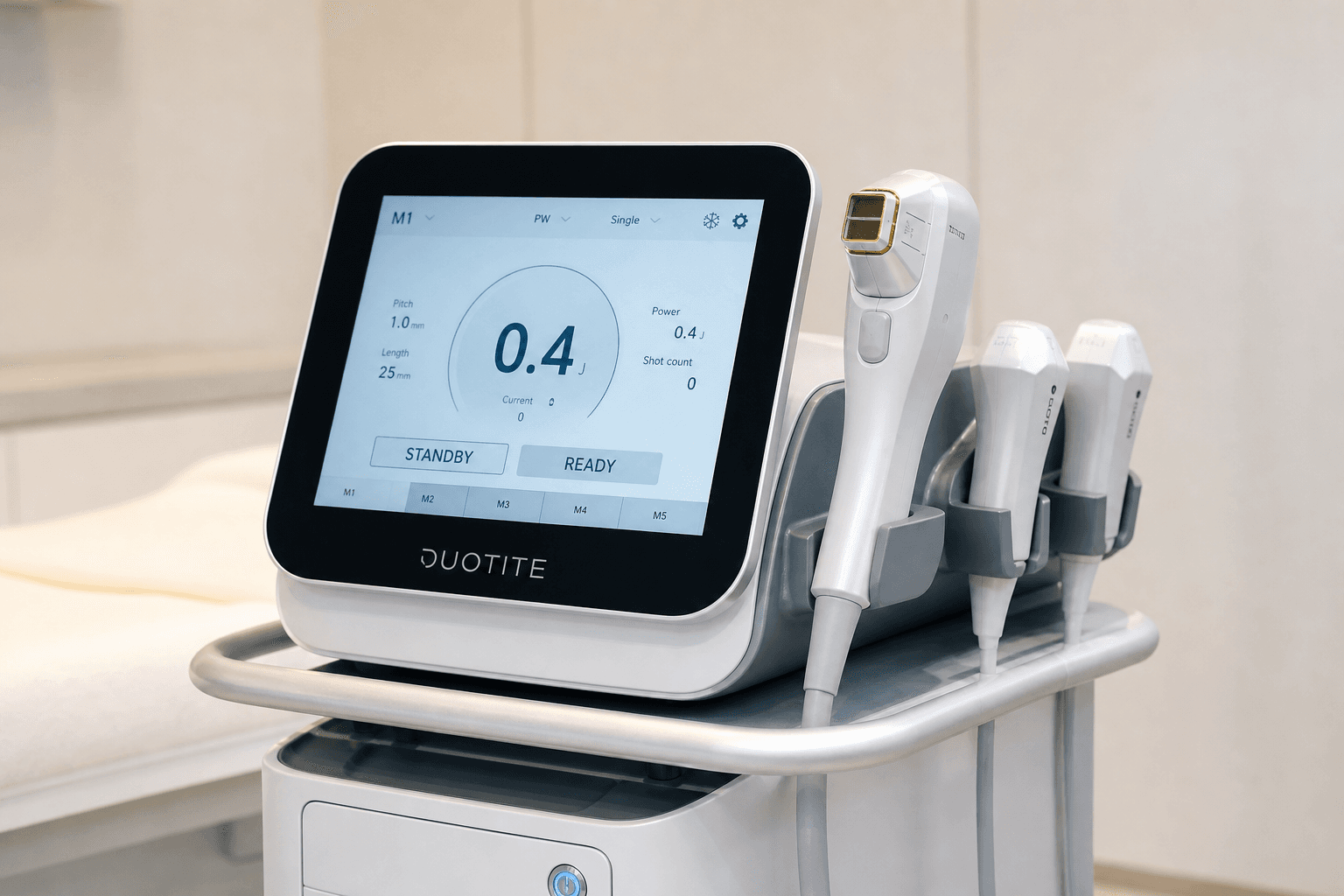
ViOL Medical Wins Thai Approval for HIFU Device, Laying Groundwork for Consumables Revenue
SCD Pharm’s glaucoma drug Latast reaches 11% market share, supplied back to originator
Alteogen’s ALT-B4 Infringes Halozyme Patent in Europe; Keytruda SC Sales Banned in 8 Countries

Immunology Drug Developer TrexBio Prices $117 Million IPO
Rural Development Administration Develops Two Molecular Markers to Identify Leaf Splitting in Squash
MFDS Begins Distribution of Internationally Certified Reference Materials, Including 24 New Items, for a Total of 882
Ministry of Trade, Industry and Energy signs agreement to promote biotech and medical devices in Gangwon; site visit set for the 14th



